According to the latest industry analysis report, South Korean memory chip giant SK Hynix is facing severe challenges in capacity expansion. A research report released by Bank of America pointed out that SK Hynix may only be able to achieve about one-sixth of its original planned new memory production capacity by 2028. This analysis broke the market's expectations that memory supply will increase significantly in the short term.
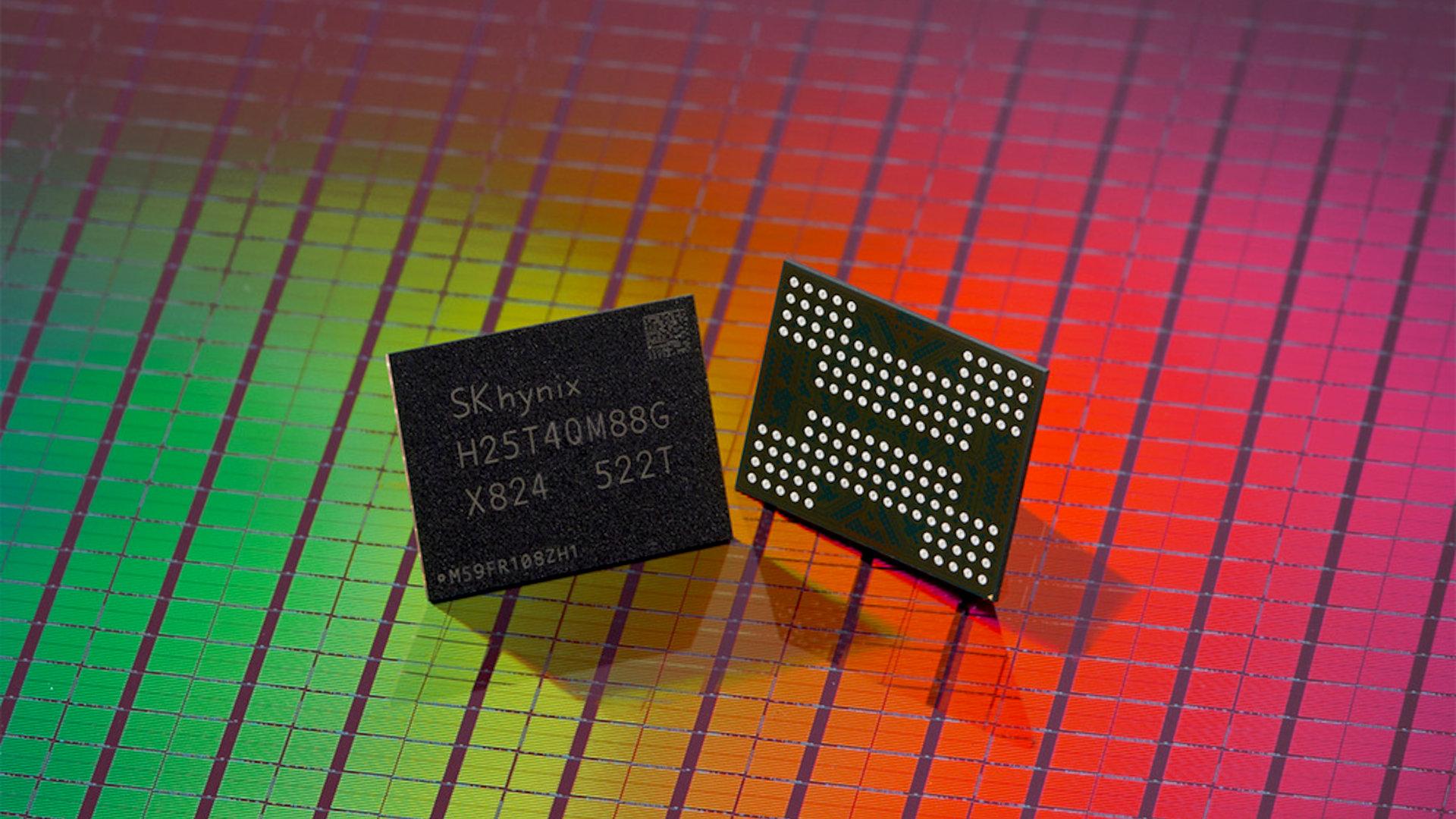
It is reported that the South Korean government has clearly stated the goal of doubling the country's storage capacity by 2030, and hopes that the new super fabs built by Samsung and SK Hynix in Gwangju and Jeolla will support this vision. However, industry insiders told the media that the full commissioning of these new factories may be delayed to ten years. From infrastructure construction to the establishment of clean rooms and the installation of high-end chip manufacturing equipment, the construction cycle of the entire manufacturing ecosystem is long and far exceeds expectations.
In addition, due to the shutdown of old factory production capacity due to technology upgrades and process shrinkage, South Korea's actual operational storage wafer production capacity increases by less than 10% each year. This means that under the current construction pace, achieving the ambitious production capacity target in 2030 will face huge obstacles.
The lagging effect of this capacity expansion is further complicating the recent legal disputes that Samsung, SK Hynix and Micron Technology have been involved in. The three memory giants were hit with a class action lawsuit in California federal court on June 25 this year, accused of conspiring to fix prices. The plaintiffs accuse these manufacturers of taking advantage of their global market dominance to coordinately shift their strategic focus to high-bandwidth memory (HBM) in key areas of artificial intelligence, and use this as an excuse to deliberately reduce the production of traditional memory specifications such as DDR3 and DDR4. Analysts believe that if SK Hynix is so slow in expanding production capacity, this fact may not be able to help it get rid of questions about market monopoly and supply manipulation in court.