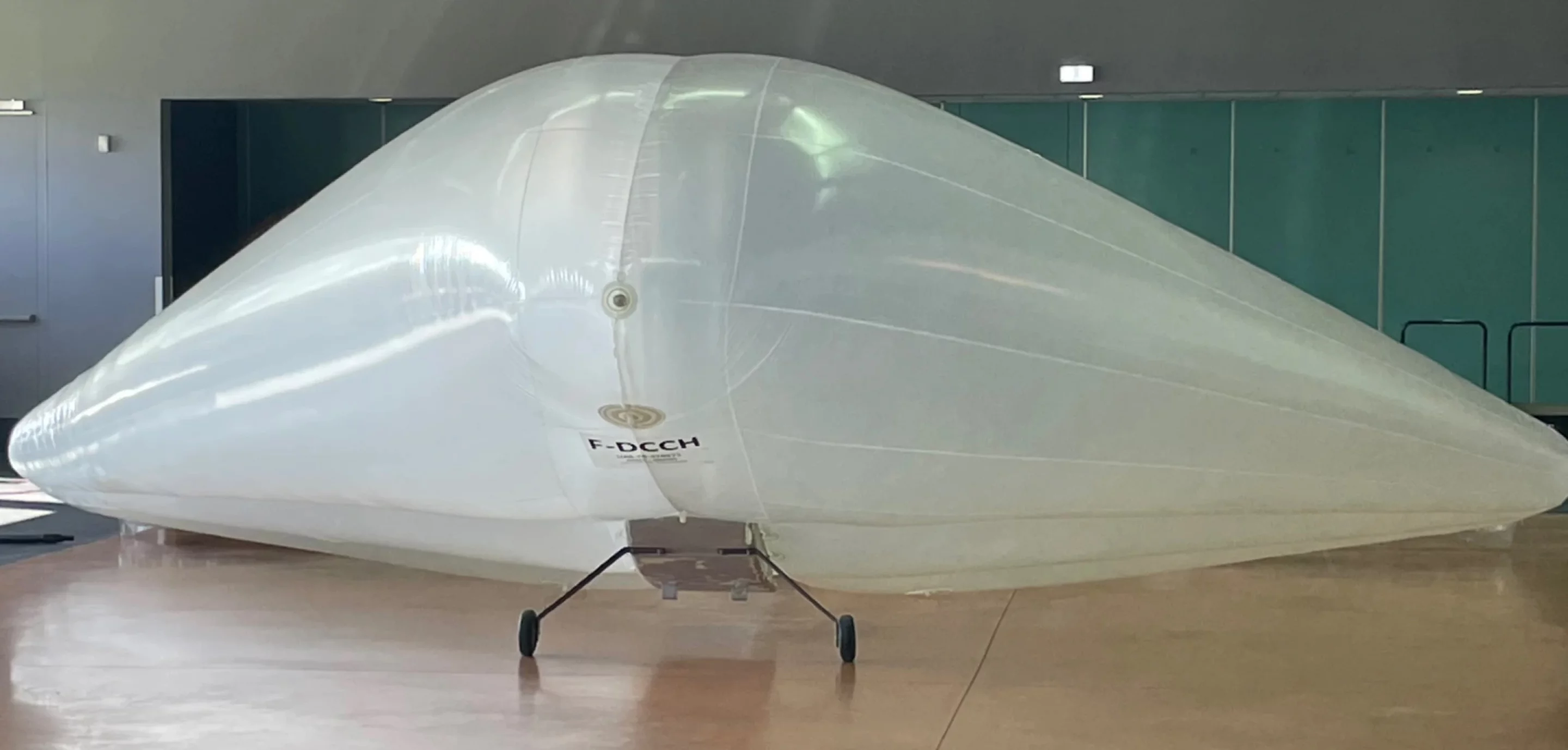
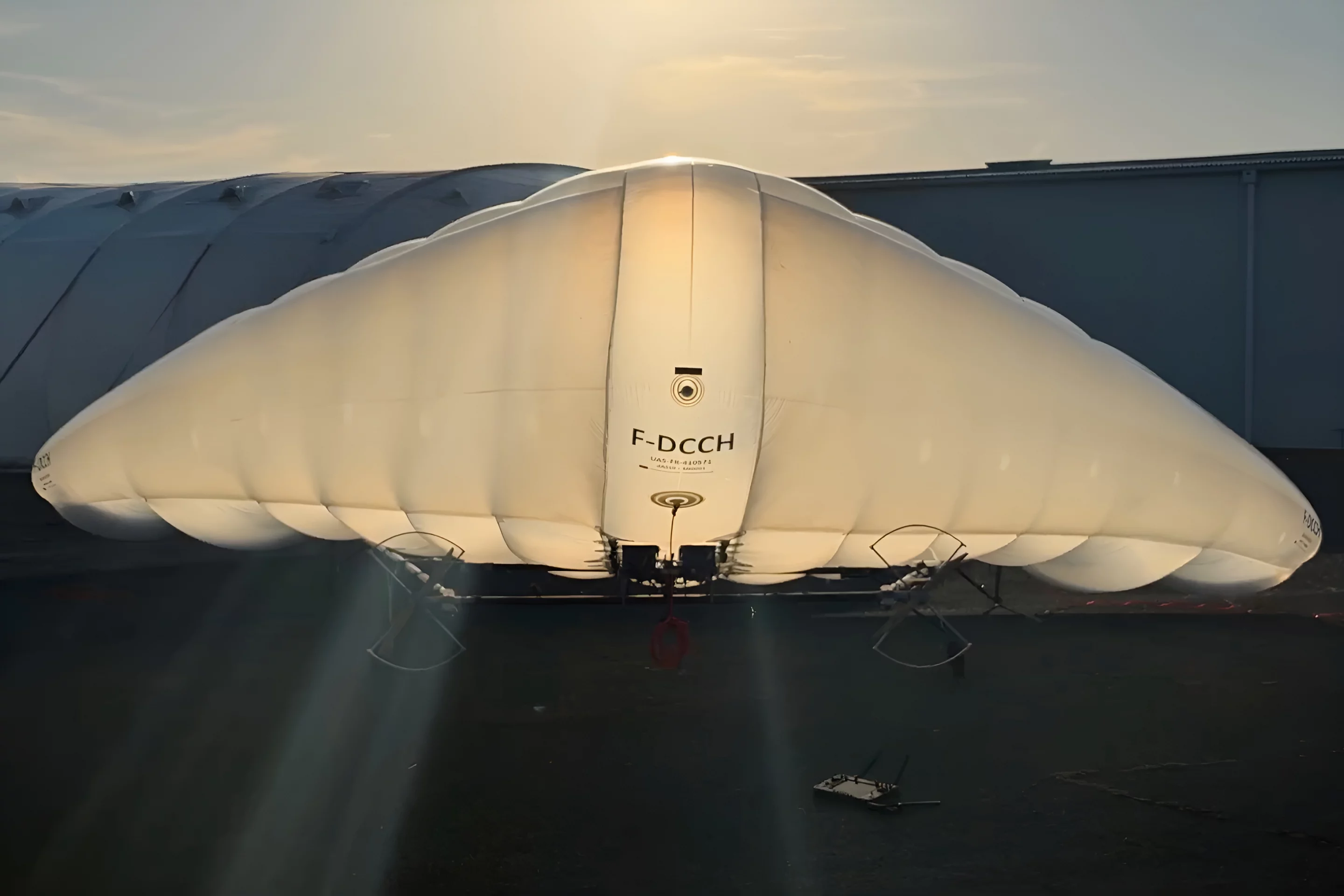
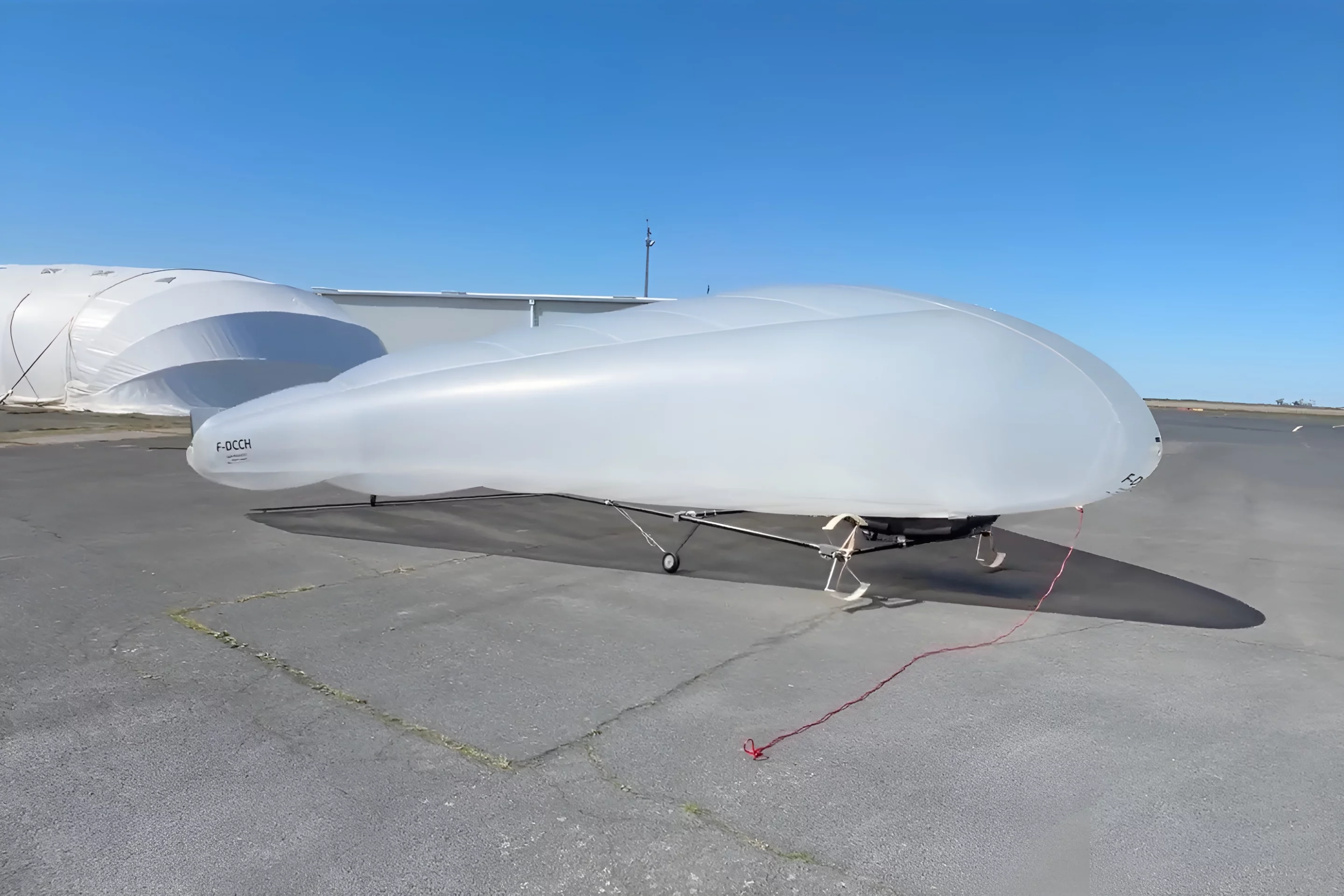
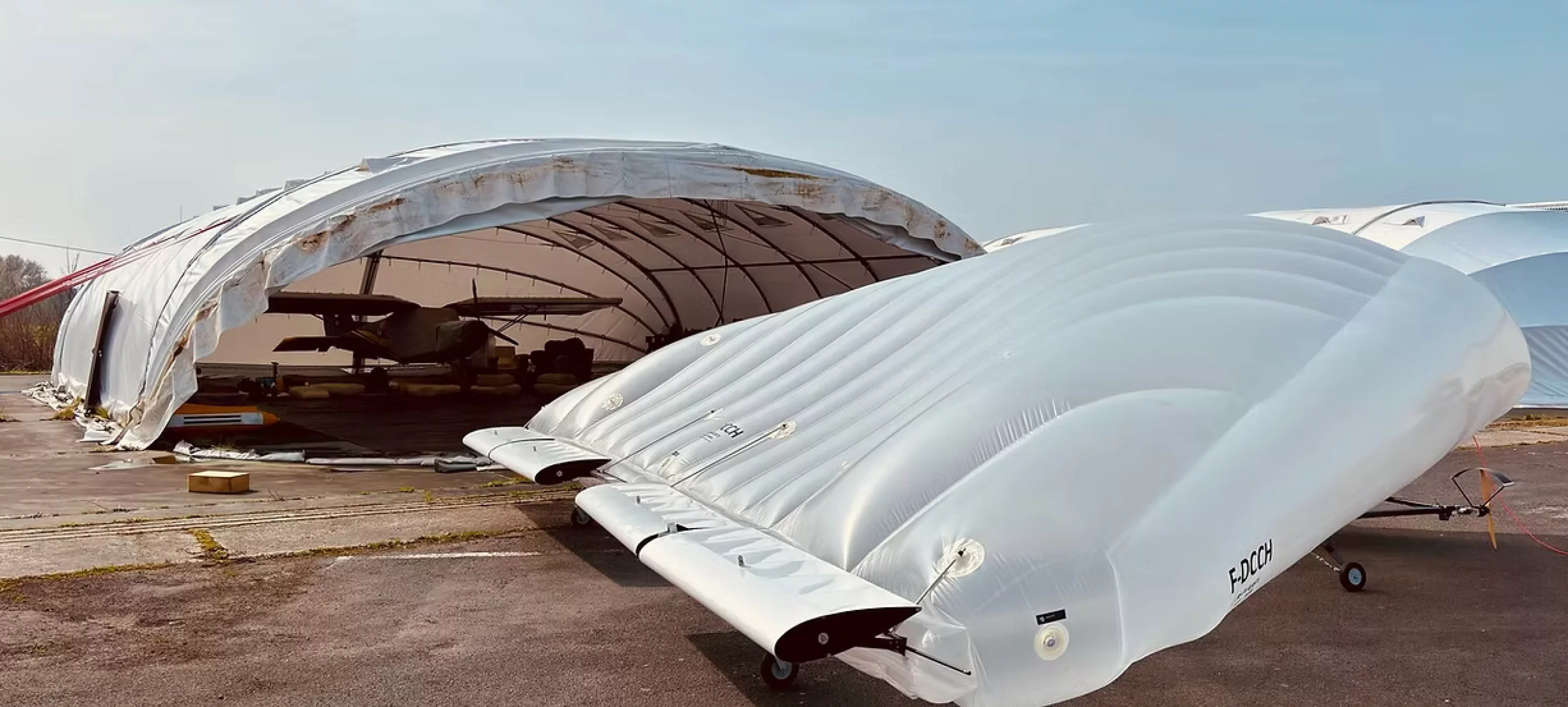
French drone start-up Celeste Ecoflyers recently launched a new fixed-wing drone called dAS10. Its unique inflatable wing design not only looks like the robot Baymax in the movie "Big Hero", but also achieves impressive long-endurance flight performance.
In the field of infrastructure inspection, traditional operating methods face many challenges. Infrastructure such as oil and gas pipelines often stretches for thousands of kilometers, and relying on manual inspections on foot or driving vehicles is extremely inefficient, while dispatching manned aircraft faces high operation and maintenance costs and strict requirements for take-off and landing runways. Although helicopters or vertical take-off and landing drones do not require a runway, they also require expensive crew support and high fuel consumption. In response to the above pain points, the dAS10 drone developed by Celeste Ecoflyers aims to provide a more efficient and economical solution.
The dAS10 is not a rigid-body drone in the traditional sense. Its core innovation lies in its use of an inflatable wing structure. This design eschews traditional metal or composite wing skins and beam structures in favor of a compressed textile envelope structure. Thanks to this, users can fold and store it during transportation and quickly inflate and deploy it on site without the need for a large ground crew. Although its appearance is often mistaken for a small airship, the company makes it clear that the dAS10 is essentially a fixed-wing aircraft that relies on aerodynamic lift rather than buoyancy to fly. This inflatable structure not only makes the fuselage highly portable and battlefield repairable, but also gives it unusual radar characteristics among similar models.
In terms of performance, the drone was developed under the leadership of Olivier Manette, who has a PhD in computational neuroscience and is also a licensed ULM flight instructor. According to official data from Celeste Ecoflyers, the cruising speed of dAS10 is between 60 and 80 kilometers per hour, the flight time on a single voyage can exceed 10 hours, and the maximum payload capacity is up to 5 kilograms. This model is mainly suitable for tasks such as low-altitude surveillance and signal relay. Currently, the company plans to conduct the first batch of commercial test deployments in the fourth quarter of 2026. Potential customers include pipeline and energy grid operators, logistics companies, and ocean monitoring institutions.
Celeste Ecoflyers pointed out that with the increase in aviation operating costs, the improvement of regulations related to autonomous drone flight, and the advancement of aerodynamic structural material technology, the time is right for this industry to transform. Compared with the current average helicopter inspection cost of up to US$2,500 per hour (excluding crew and fuel costs), dAS10 is expected to significantly improve industry efficiency and significantly reduce operating costs while ensuring flight safety. On May 7 this year, the dAS10 prototype completed its first test flight in Le Havre, France, marking a critical step for this innovative project.