China announced yesterday that it would impose export restrictions on global helium supplies. Although industry assessments believe that since China's share of the global helium market is relatively limited, the ban is not expected to cause a disruptive disaster to the global semiconductor wafer foundry industry. However, at a time when the global artificial intelligence (AI) boom has triggered a surge in chip demand, this move will undoubtedly increase tensions in the already fragile semiconductor supply chain.
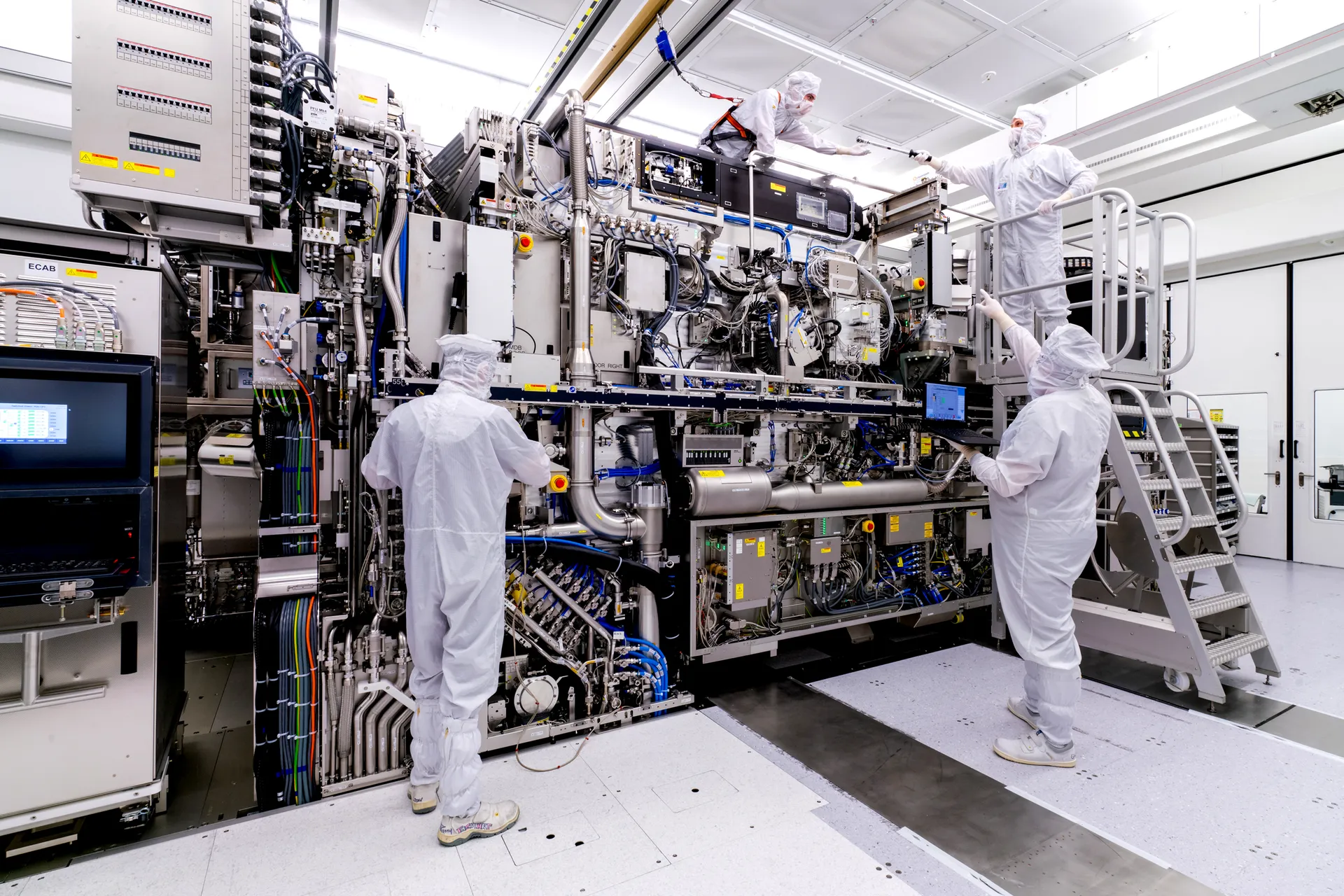
Helium plays an indispensable key role in the semiconductor manufacturing process and is widely used in multiple core process stages such as vapor deposition, wafer cooling, and etching. In addition, in the first stage of chip manufacturing, helium also plays an important role in cooling advanced extreme ultraviolet (EUV) lithography machines. Therefore, any disturbance in the helium supply chain may have a profound impact on the current chip production line.
According to statistics from the United States Geological Survey (USGS) as of March 2026, the United States still holds the majority of global helium production (annual production reaches 81 million cubic meters), followed by Qatar, Russia, Algeria and Canada. China and Poland are tied for sixth place in the world, with an annual output of approximately 3 million cubic meters, accounting for only 1.6% of the global market share. Analysts pointed out that as the situation in the Middle East has once again fallen into turmoil, and the United States has previously imposed a series of sanctions on China aimed at restricting its access to cutting-edge chips, China has to rely heavily on local chip production. Since China still relies on imports for most of its helium for semiconductor manufacturing, in order to prioritize the stability and security of the domestic chip industry, officials immediately made the decision to freeze helium exports to prevent domestic shortages.
It is worth noting that this supply chain hidden danger has been discovered by industry giants not long ago. In June this year, Intel CEO Chen Liwu issued a clear warning when participating in a podcast to discuss the development bottlenecks of the semiconductor industry. He pointed out at the time that in addition to the well-known power supply constraints of data centers, many people have actually ignored another extremely critical blind spot - the shortage and fluctuation of helium supply, which may have a serious impact on the expansion of the entire semiconductor and AI chip industry chain in the future. With the implementation of China's export restrictions, Chen Liwu's previous concerns that helium may be "stuck" are gradually becoming a reality.