Samsung released its first trifold screen phone, the Galaxy Z TriFold, in December last year. However, the response was mediocre after its release, and it was discontinued in the Korean market after only three months.According to the latest news, Samsung will postpone the launch of Galaxy Z TriFold 2, focus on the roll-screen mobile phone that has been in preparation for many years, and launch it ahead of schedule.
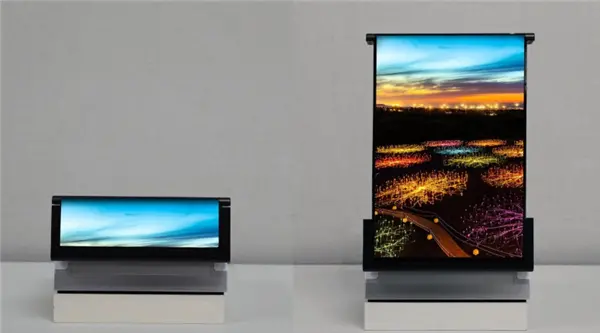
In fact, relevant trends have been reported not long ago. Industry research reports released by local Korean media and Omdia show that the complete mass production plan of Samsung’s first commercial scroll-shaped mobile phone has been exposed.The model is named Galaxy Z Slide and is planned to be launched simultaneously with the Galaxy S28 series in 2028. It is the world's first mass-produced scroll screen.
According to reports, the current competition in the folding screen track is fierce, and domestic manufacturers continue to squeeze Samsung's flexible panel market space. Omdia data shows that Samsung's folding mobile phone panel shipment share has dropped from 41.8% at the end of 2025 to 27% in the first quarter of 2026, and the growth space of the traditional folding track has peaked.
Samsung chose to develop scroll screens to open up a new high-end track. The core advantage is to avoid the screen crease problem that folding screens cannot eradicate from the bottom. Relying on the built-in electric telescopic roller structure, the screen can be smoothly stretched outward from the conventional mobile phone size to a tablet-level large screen, greatly improving the viewing and office scene experience.
Compared with mature folding hinges, the mechanical transmission of scroll screens and the durable process of flexible panels are more difficult to develop. Samsung has exhibited scroll concept prototypes at the MWC exhibition many times over the years, and is now entering the production line transformation preparation cycle.
From 2026 to 2027, the flexible OLED production line will be transformed in batches to adapt to the continuous stretching production process of roll panels, paving the way for large-scale mass production in 2028.
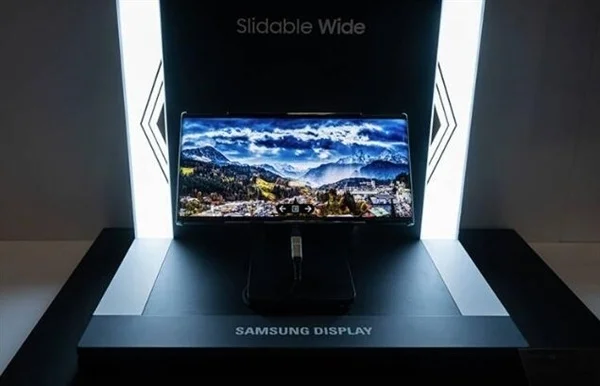
In terms of hardware specifications, the new machine is equipped with a 10-inch 16:9 ratio scroll OLED panel with a pixel density of 440.6ppi. It is equipped with an adaptive tension motor system to ensure that the screen is flat and smooth after it is fully unfolded.The whole machine is positioned as a top-level business audio and video flagship, taking into account the needs of portable body and large-screen productivity.
At the industry level, currently only a number of brands have released laboratory concept products, and no brand has yet achieved commercial implementation.

If Samsung completes its 2028 listing plan as scheduled, it will be the first to occupy the roll screen terminal market and lead the formulation of relevant hardware and display industry standards.
The report also mentioned Samsung's long-term iteration route, planning to launch a second-generation upgraded scroll model in 2030 to continue to consolidate its technological voice in the field of flexible display.