
Abstract:
The South Korean Fair Trade Commission recently officially launched a review of Apple, accusing it of misleading consumers in its iPhone 16 advertising, making users mistakenly believe that many Apple Intelligence features are already available at the time of purchase. Investigators believe some features, including Genmoji, Image Playground, and Siri's ability to understand a person's background and screen content, did not live up to the hype.
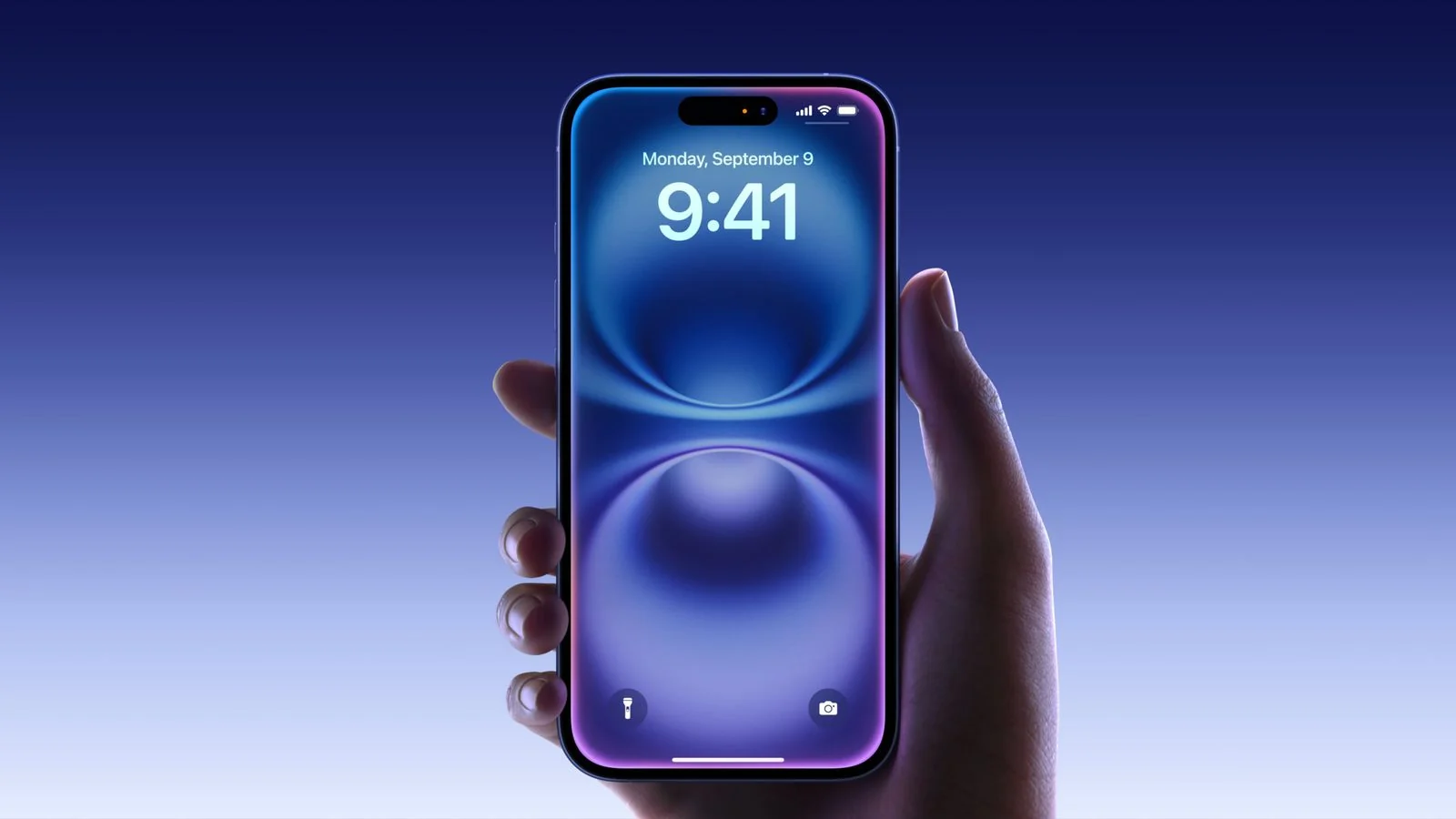
The core of the dispute is whether Apple has fully explained which features have been launched and when the remaining features will be launched. The Korean Fair Trade Commission report pointed out, for example, that Siri's personal background understanding ability was told to be launched in South Korea in early April 2025, but it was not actually launched until October 2026, about 18 months later than the advertised time.
In a statement to the media, Apple stated that the company attaches great importance to Korean users. Since adding Korean language support to Apple Intelligence last year, users have used dozens of cross-platform features, and recently launched Siri AI that supports Korean language. Apple said it has cooperated with the Korean Fair Trade Commission's investigation, but it does not agree with the conclusions in the review report and looks forward to fully defending itself before the commission.
Currently, the Korean Fair Trade Commission has not made a final ruling nor announced any penalties.
This case is similar to the controversy caused by Apple’s Apple Intelligence advertising in major markets such as the United States. In April 2025, after inquiries from the U.S. National Advertising Department, Apple removed the "now available" marketing statement on the Apple Intelligence page. The advertising watchdog argued that the wording suggested all listed features were already live, while the footnote explaining the phased rollout was also not clear enough. Apple did not agree with the conclusion at the time, but eventually made changes as suggested.
In addition, Apple also agreed to pay US$250 million in May 2026 to settle a class action lawsuit in the United States. The lawsuit accuses Apple of misleading buyers about the availability of Apple Intelligence and Siri features when it releases the iPhone 16 in September 2024.
Comments