
Abstract:
"Animal Crossing" launched on the Nintendo GameCube in North America in September 2002, and now celebrates the 24th anniversary of its release in North America. The work centers on communication, free customization and player-defined goals, laying the foundation for Nintendo's subsequent heartwarming game series.
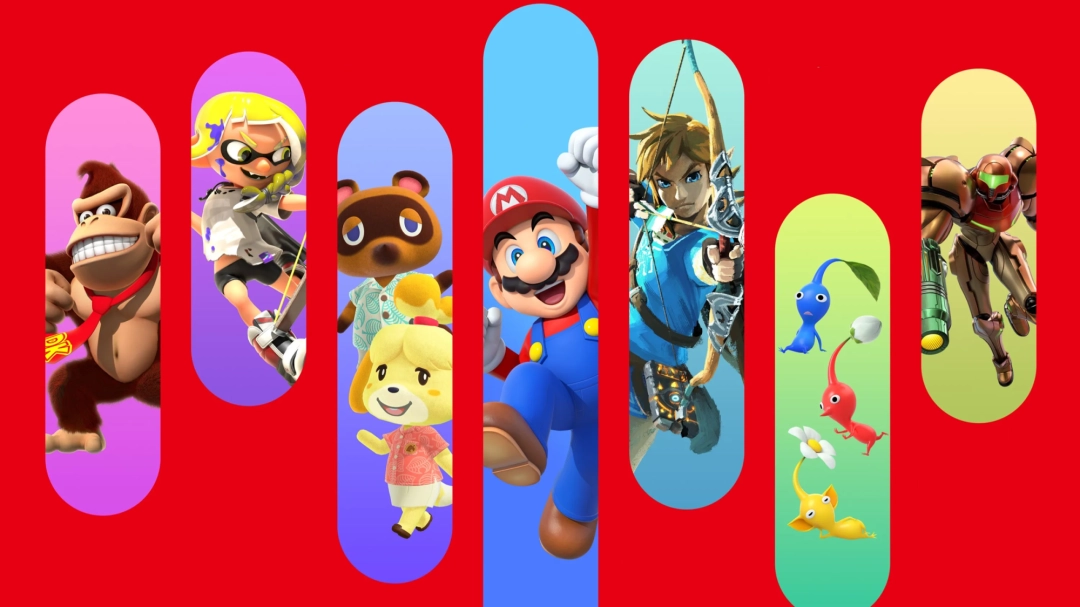
In the late 1990s and early 2000s, home console gaming continued to evolve, with works such as "Halo: Combat Evolved" promoting local cooperation and split-screen battles. At the same time, the relatively slow-paced simulation gameplay gradually attracted attention, and it was during this period that "Animal Crossing" entered the North American market.
Unlike works that emphasize combat, team building, or fixed tasks, "Animal Crossing" puts the focus on community life. Players can talk to animal residents, leave messages to other players, and build and change the village they live together according to their personal ideas. The progress of the game depends more on the goals the players set for themselves.
This direction was not the original idea of the project. "Animal Crossing" had early plans to allow players to team up with animal partners to fight and solve puzzles in the maze. The overall idea was close to the more cartoon-like "The Legend of Zelda". Affected by hardware delays and capacity constraints, Nintendo subsequently abandoned combat content and instead adopted a community design that changes with real time.
Nintendo once called it a "communication game." Players interact with NPC residents and other players in the same village to jointly promote changes in the environment. Compared with "The Sims" launched in 2000, "Animal Crossing" has further strengthened open goals and social simulation, and its design is also considered to have influenced later open-ended works such as "Stardew Valley", "Terraria" and "Deep Sea Trek".
Subsequent works in the series continue to expand the scope of player control over the community, adding identities such as mayors and islander representatives, and providing more resident management, terrain modification and production options. Players can invest more time in adjusting the environment and use their own steps to complete construction goals.
"Assemble!" launched in 2020! "Animal Crossing" further continues this direction, with lifetime sales exceeding 50 million copies and continuing to receive support in 2026. From village exchanges to island building, free creativity and community interaction remain at the core of the series.
Comments