
Abstract:
Anthropic’s road to listing has been bumpy. And its prospects in the bond market are even more questionable. This closely watched AI company raised over US$100 billion last week and is valued at approximately US$1.18 trillion, higher than Walmart and JPMorgan Chase. But it has promised to invest approximately US$900 billion in the next few years to purchase massive computing power for its flagship AI model.
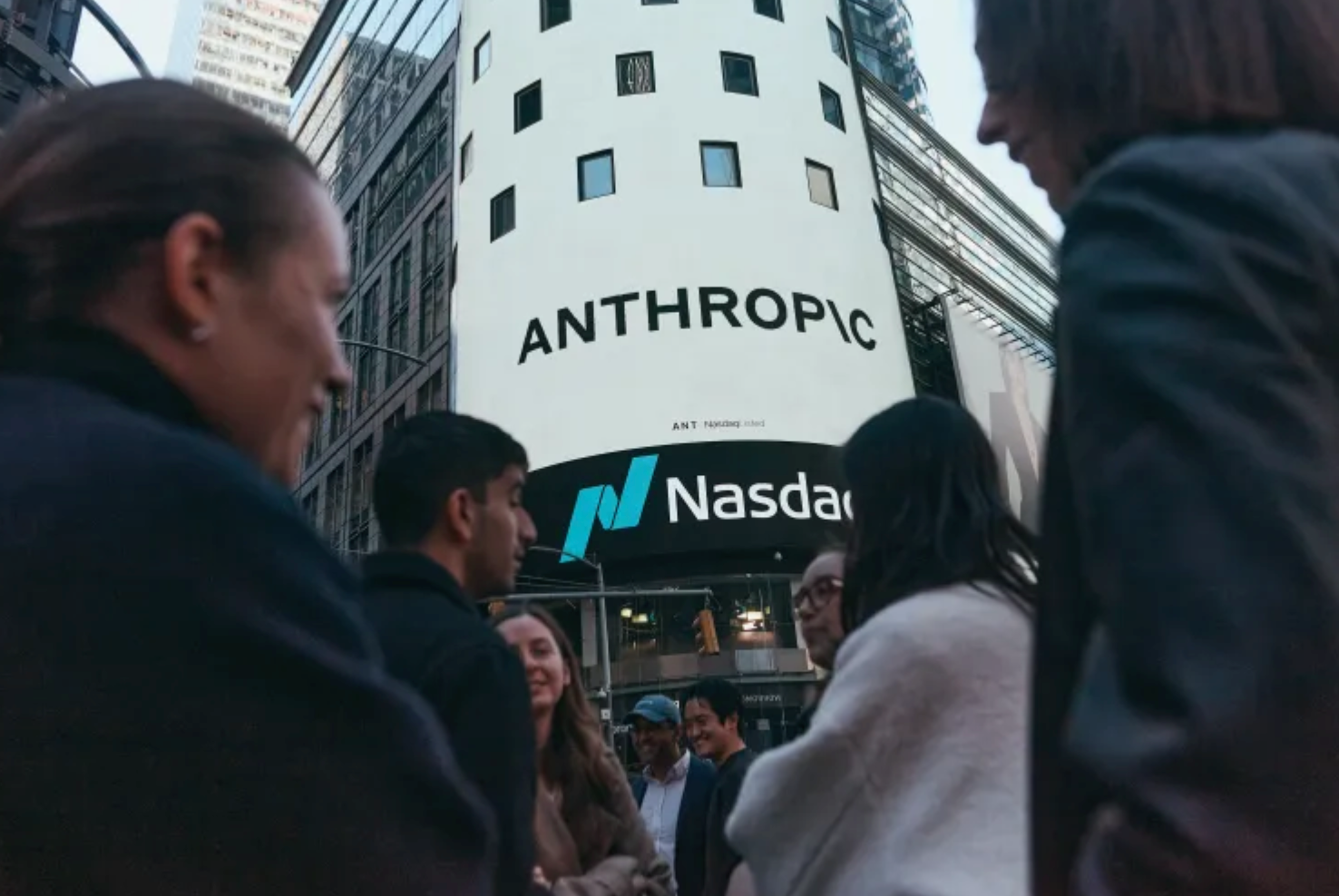
It is not easy to raise large amounts of debt in the corporate bond market. Anthropic is not yet profitable, is less than six years old, and Wall Street has doubts about its ability to meet its long-term debt obligations. The bond market generally believes that rating agencies will classify its bonds as junk, that is, not investment grade.
Craig Manchak, a bond fund manager at Osterweis Capital Management, said: "The market will be cautious about any bond issuance transaction by Anthropic. How should a company that promises to invest US$900 billion in the next few years price it appropriately?"
Anthropic’s credit rating will have a knock-on impact on the bond market and even the entire AI ecosystem.
If it gets an investment-grade rating, it can enter the $8.6 trillion high-grade corporate bond market, which is a big relief for chip manufacturers. Broadcom and Nvidia have provided tens of billions of dollars in loan guarantees to chip buyers, and these chips are ultimately leased to AI labs such as Anthropic and OpenAI. Analysts are increasingly worried about this circular financing model and the scale of guarantees, and chip manufacturers also hope that AI laboratories can independently issue debt financing.
AI is breaking a market convention: equity investors provide money to immature technology start-ups, while bond investors who only receive interest and have no rising income will choose to avoid it. The construction cost of digital infrastructure is extremely high. Some estimates say that the total scale can reach 10 trillion U.S. dollars. Stock market funds alone are no longer able to support it, and the industry has to borrow debt.
In recent weeks, rising financing costs and tighter credit have been the driving forces behind the heavy losses in the stock market, with trillions of dollars in market value evaporating. Anthropic gave up most of its post-IPO gains last week, and Nvidia, Meta, Oracle and other giants also suffered sell-offs.
A prominent credit investor worries that ratings agencies may give the company an investment-grade rating simply because of its size, sending its bonds into pension funds that should only hold ultra-low-risk assets.
Anthropic CEO Dario Amodei said in an interview on Thursday: "Obviously, we hope to get an investment grade rating one day."
Spokespersons for Fitch and S&P Global Ratings declined to comment, and a spokesman for Anthropic also did not respond.
Many large bond fund managers predict that Anthropic's rating will most likely fall into the BB range, which is still one to two notches away from investment grade. Once implemented, it will become the highest-valued high-yield bond entity in the United States. Dow Jones market data shows that the current record holder is Hilton Worldwide, with a market capitalization of approximately US$80 billion.
Other large AI companies, including cloud computing power provider CoreWeave, also have junk ratings, highlighting the huge differences between stock investors and bond investors in the industry.
Mark Rowan, CEO of Apollo Global Management, said in a podcast interview in October: "Some companies can have a market value of US$40 billion or US$60 billion, but they have to pay 16% to 18% interest on debt issuance. Between the two, one of the valuations must be wrong."
The business models of AI labs such as Anthropic have not yet been fully proven, but if growth continues, they may grow into giants in the technology industry, comparable to established companies in Silicon Valley. In 2018, the bond market was also not optimistic about Tesla, and Tesla's stock price rose sharply afterwards.
Several major rating agencies have not yet made a public statement, and the final results may also differ, and some agencies may give investment grade. Investors may have to wait until Anthropic's initial public offering to get the final rating.
Fund managers believe that Anthropic is unlikely to issue a large number of unsecured bonds. The size of the junk bond market is only US$1.7 trillion, and financing costs are high.
PGIM global credit research director Brian Barnhurst said that it is more likely to continue to raise funds through structured financing, chip special financing and other methods. Such transactions can improve credit conditions through credit enhancement.
But this type of financing will become more difficult to advance in the future, because the market expects Nvidia to reduce this type of guarantee business after the unexpected departure of former CEO Huang Renxun, who was the main promoter of such transactions.
Bond fund managers have been unable to digest the large number of bonds issued by major AI manufacturers and ultra-large-scale computing power companies this year, and many of these bonds have already fallen. Some of the US$25 billion in bonds issued by SpaceX after it went public in June have fallen by more than 10%.
Neil Sun, a bond fund manager at Royal Bank of Canada Global Asset Management, said: "I have communicated with many colleagues and no one is willing to buy bonds from such large-scale computing companies at the moment."
Mature technology giants with investment-grade ratings, such as Meta and Oracle, have issued record amounts of bonds and guaranteed huge loans for data center construction. When Wall Street banks recommended these assets to debt bases, they offered higher yields than ordinary investment-grade bonds, but these assets subsequently depreciated due to lack of market acceptance.
Anthropic may be the turning point in this financing boom. The company’s revenue in the last quarter was US$17 billion, but it was still losing money due to the huge investment in computing power. There is no other business that can provide bond investors with a safety cushion.
Analysts said that the company has US$96 billion in cash on hand, which combined with the funds raised from the IPO and simultaneous private placements, is enough to support more than a year of expenditure commitments. It has also begun to build its own computing hardware, and such assets are expected to help it strive for investment-grade ratings. SpaceX relies on its satellite business to obtain an investment-grade rating.
About half of the AI lab’s spending commitments will not begin to materialize until 2030. If it cannot obtain an investment-grade rating by then, Anthropic will be under great pressure to pay.
Neil Sun said: "It still has about three years to get investors to recognize its credit logic and development plan, and to ensure that the capital market continues to open its doors to it."
Comments