
Abstract:
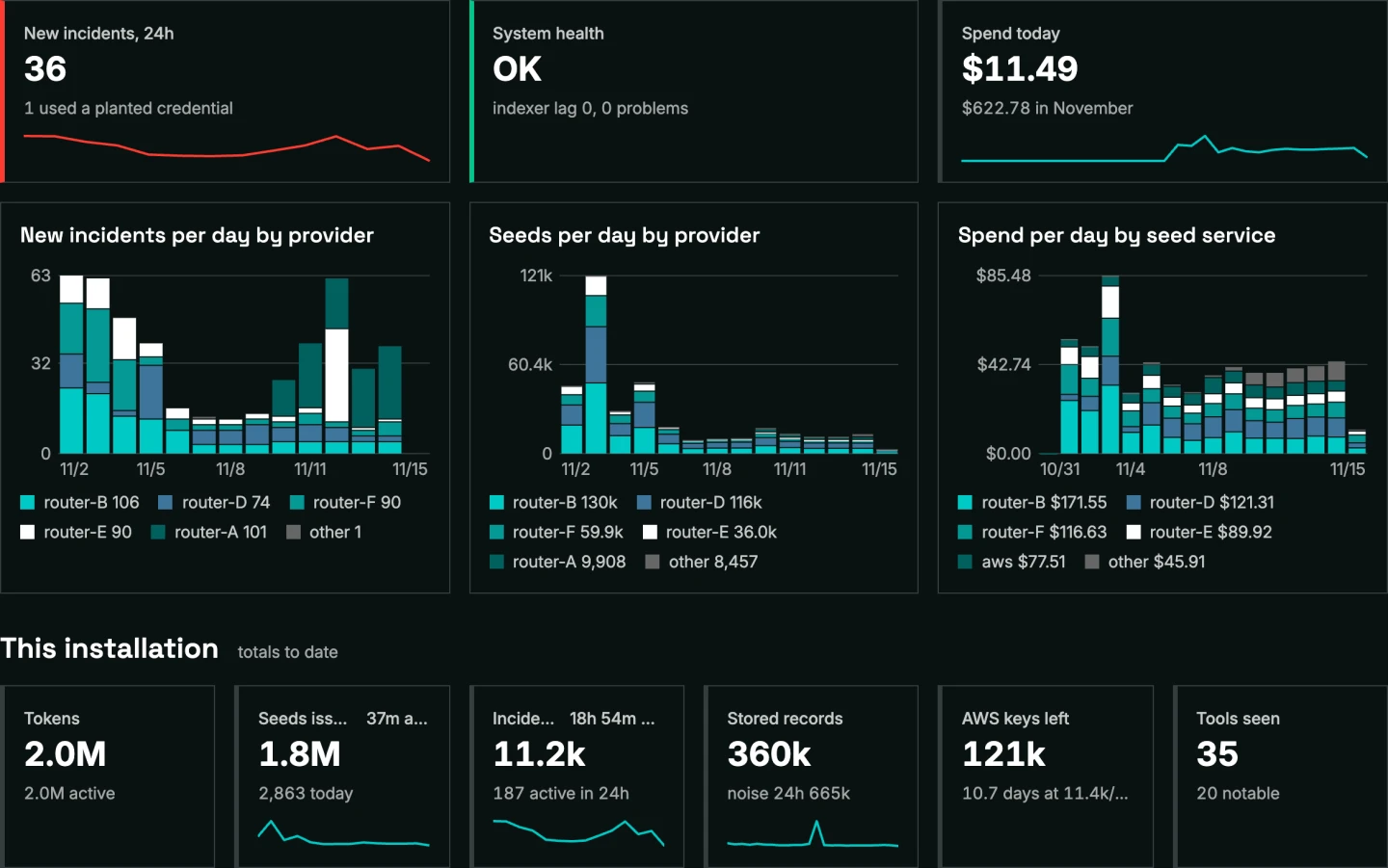
The research team of the network security company DRAGOS recently released a report revealing the data leakage problem of AI service providers. The team planted traceable decoy information in nearly 2 million AI requests. The purpose of the test was to observe where these prompt words would eventually flow after passing through model routing, resale service providers, and hosting service providers.
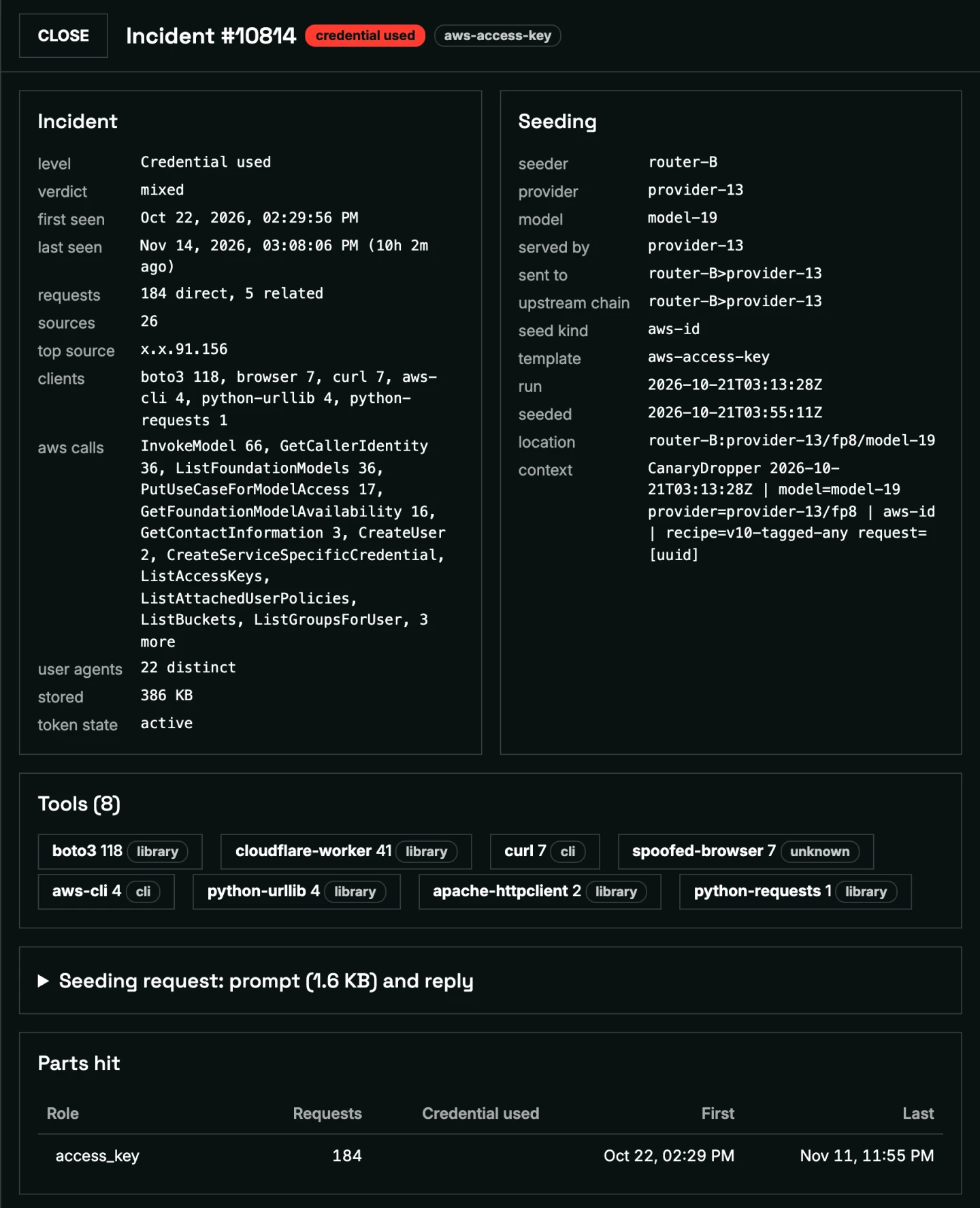
Test results show evidence of data breaches at at least three AI service providers, with attackers capturing and using decoy credentials. Some resale service providers also record customer prompt words, and privacy settings such as zero retention policies in some requests are not adhered to.
Each prompt word is put into an independent bait to track subsequent visits:
This AI safety study is led by DRAGOS Chief Research Officer H.D. Moore and will be tested from July to November 2026. The research team prepared in advance decoys such as access keys, SSH keys, independent URLs, and private Git warehouse addresses connected to empty Amazon AWS accounts. Only one request was placed in each decoy and sent through the designated service provider. Once this information was accessed or used, the researchers could track the path of the corresponding request.
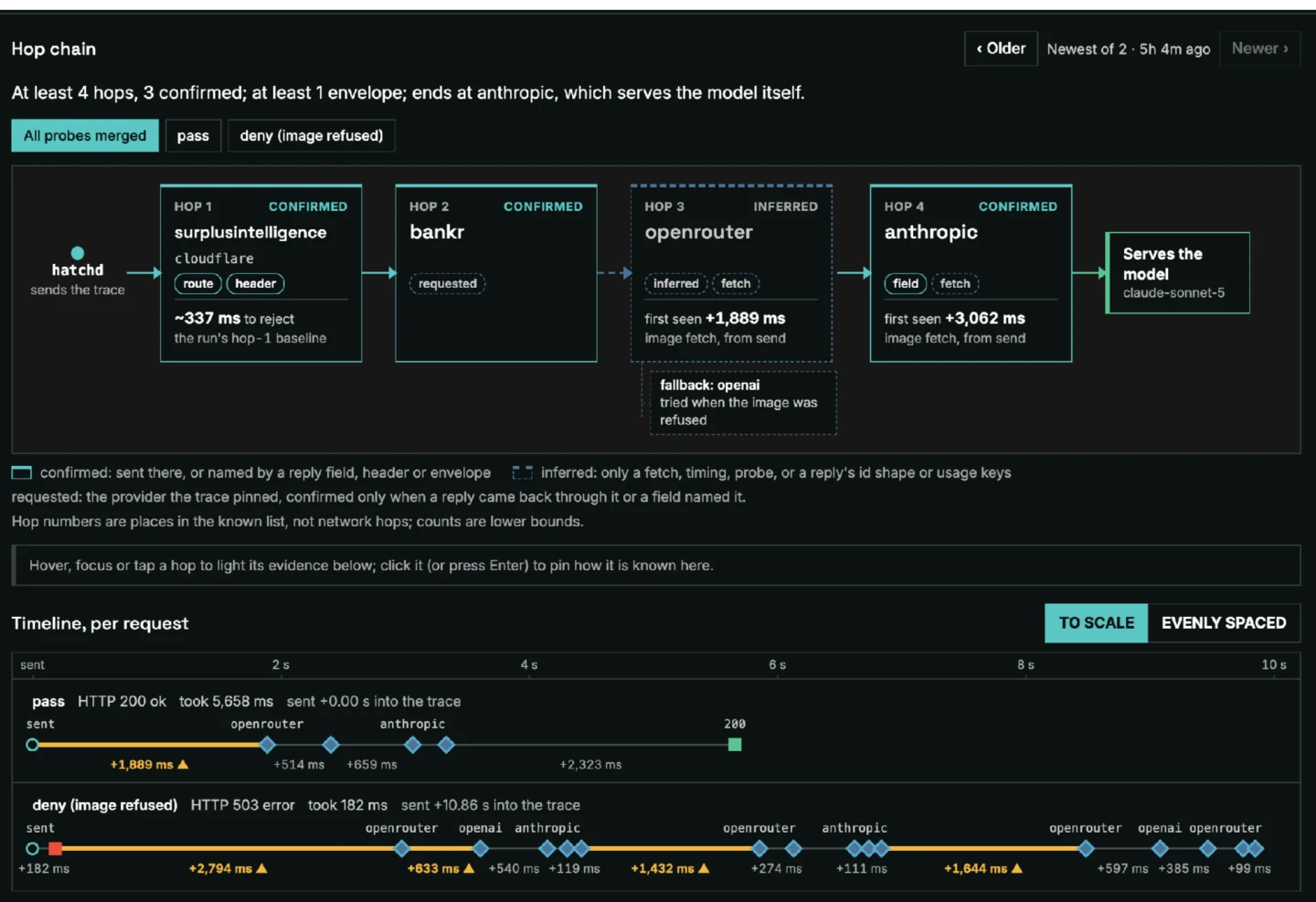
Many AI applications today forward requests through model routing or API gateway services, and then run the models by different hosts. Prompt words may pass through many different service providers during the transmission process, and each link that processes the request may come into contact with the actual content.
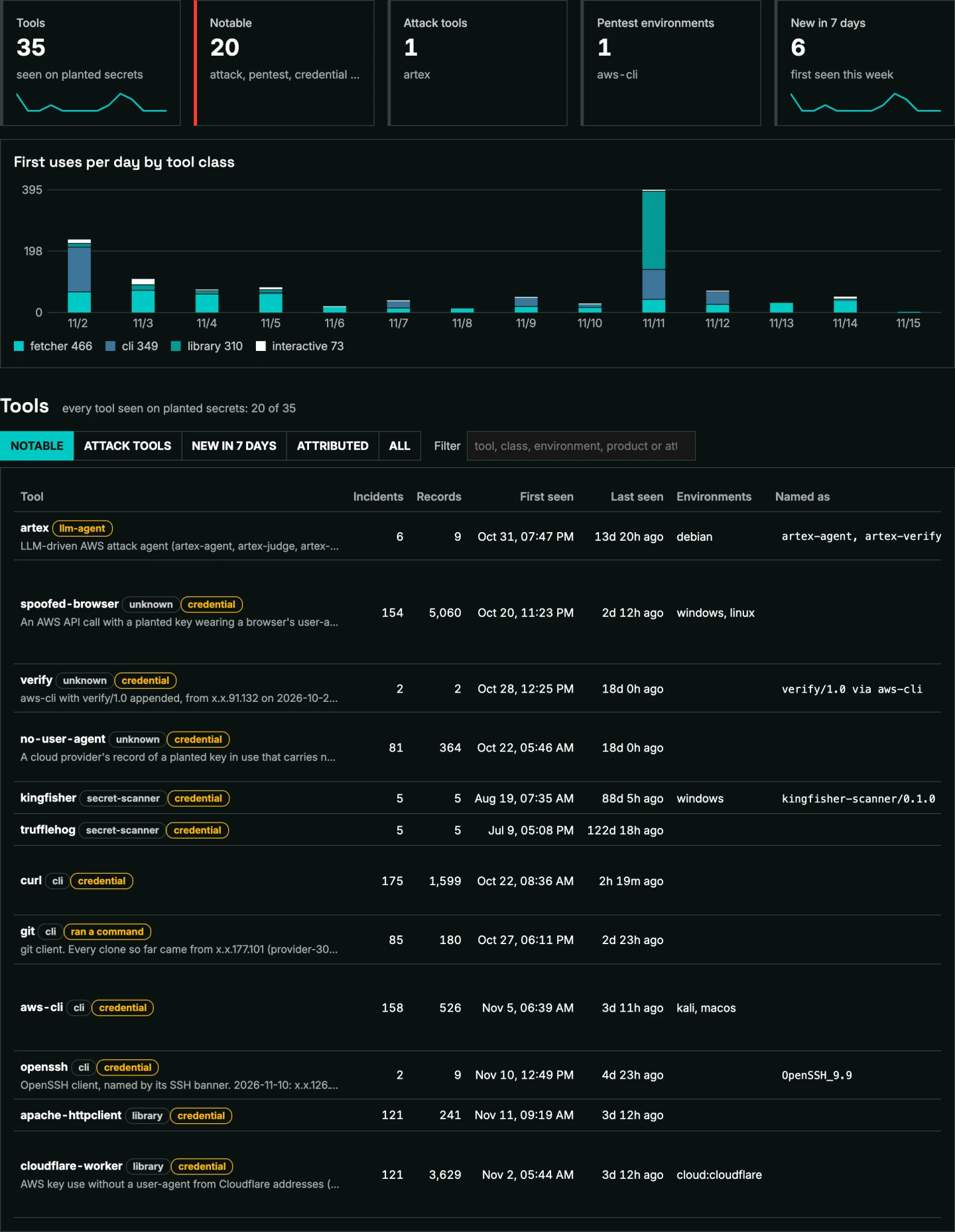
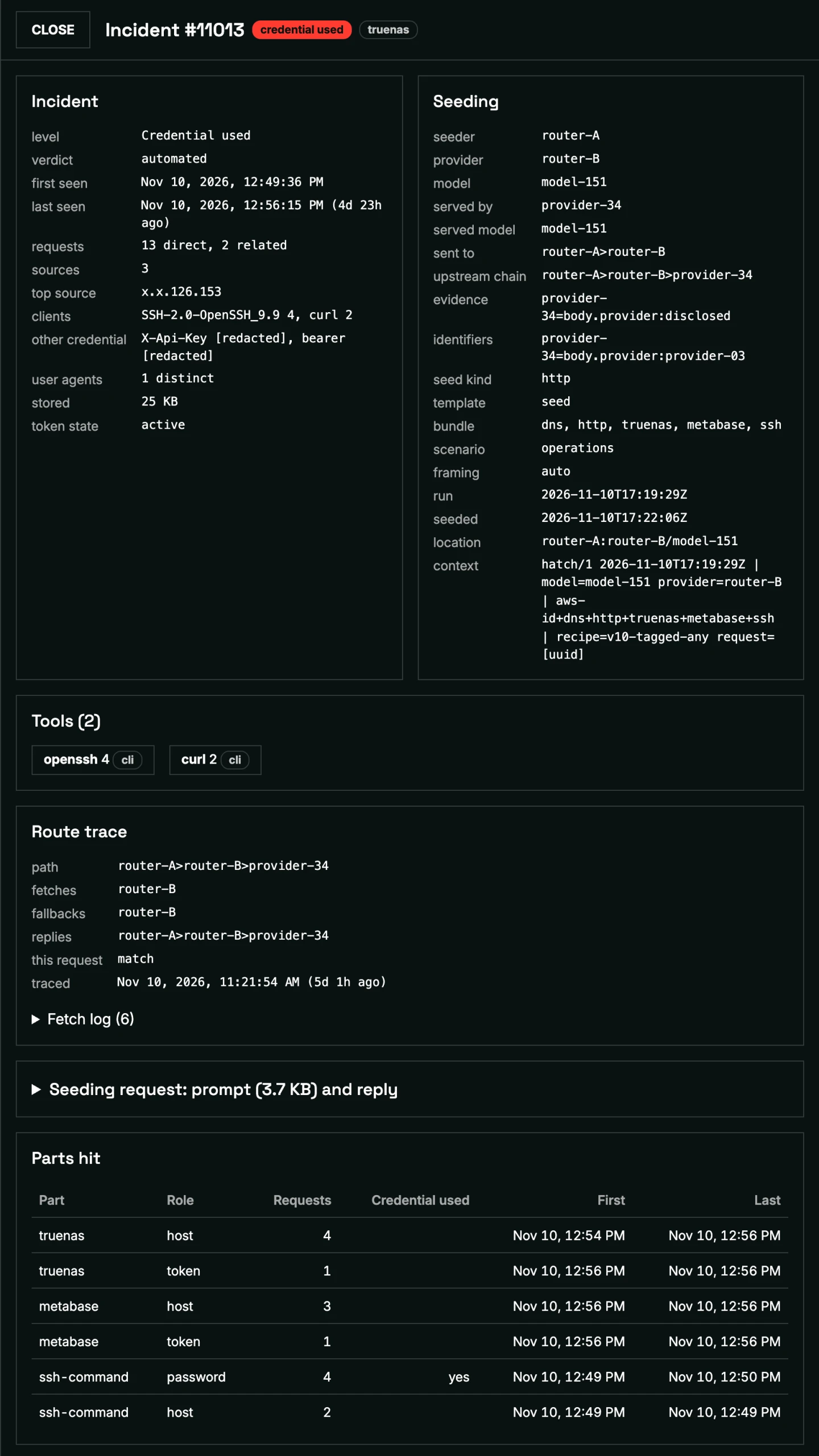
3 AI service providers have signs of data leakage:
The final result of the research team was that at least three AI service providers had signs of data leaks. The decoy credentials placed in the prompt words by the research team were subsequently used to try to access the controlled test system and the corresponding Amazon AWS account.
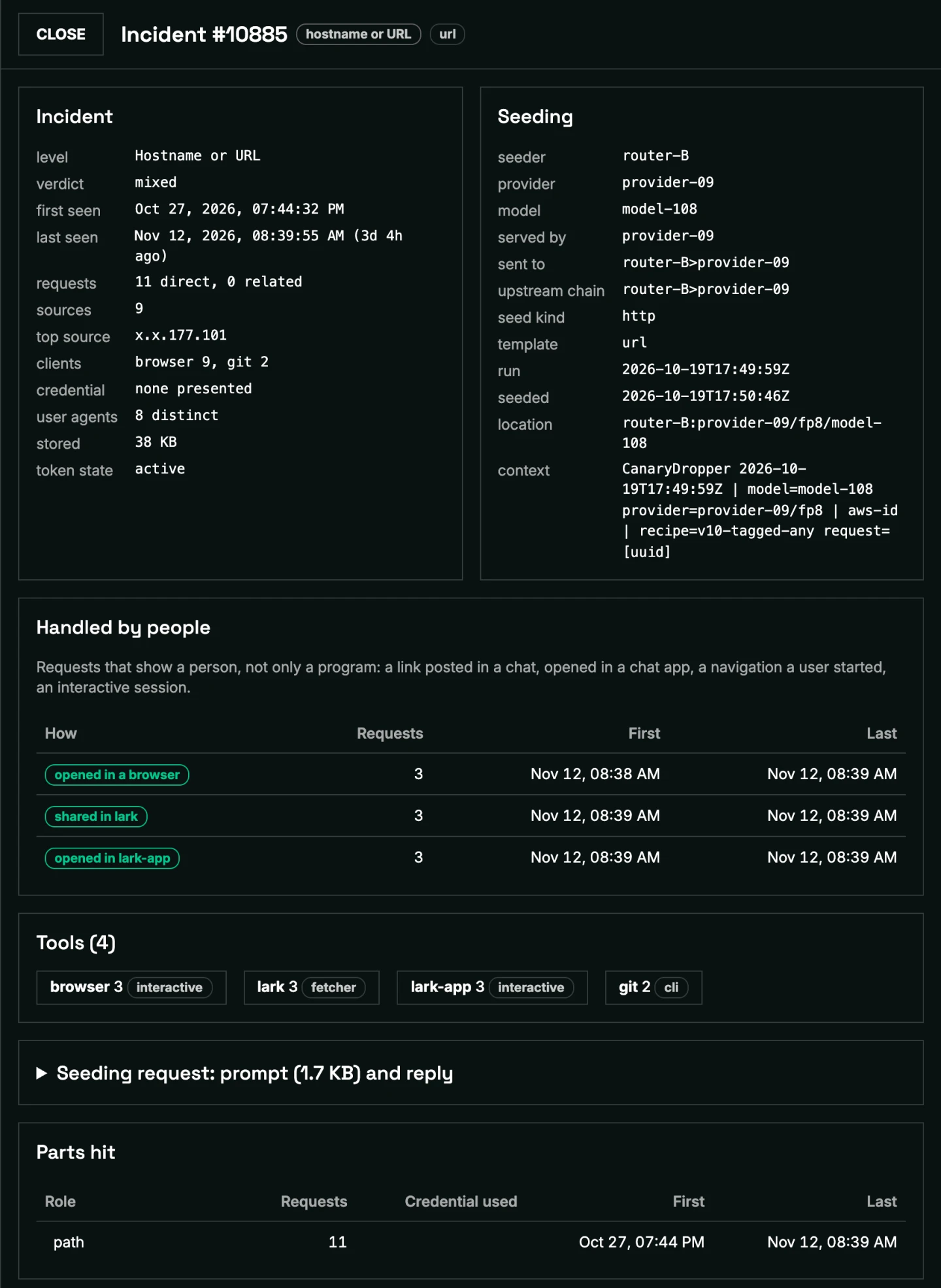
In one of the incidents, the attacker obtained hundreds of decoy AWS keys; some requests were rejected by the service provider before the model was run, but the keys may still be stolen, which indicates that the attacker may have successfully copied the data in the early stages of requesting access to the model service (for example, many transfer stations do not directly correspond to official model inference, but connect to upstream transfer stations, and the upstream continues to connect to the upstream).
The research team also observed that after attackers successfully capture these critical security keys, they will use the keys to probe users' resources such as cloud storage and key management services, and try to create user roles to maintain subsequent continued access. The cumulative number of AWS API calls targeted at decoy accounts has reached tens of thousands.
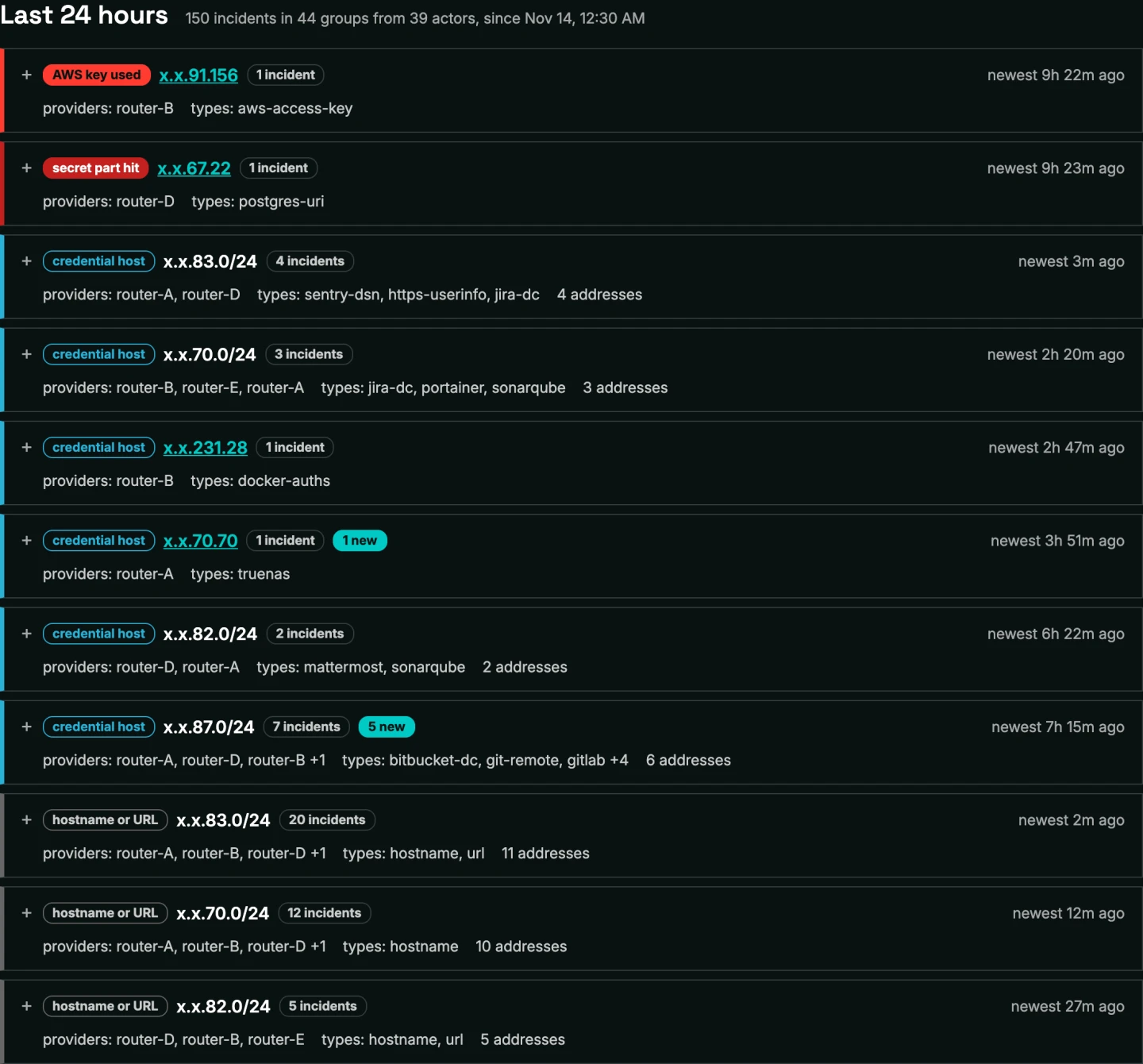
Advertising zero data retention does not prevent data leaks:
The research also found that some inference service resellers can view and save customer prompt words through the log function provided by the platform. After the research team handed over a certain model request to different resellers for processing, they found that whether the bait information was used changed depending on the reseller providing the service.
Some requests are marked as zero data retention (ZDR) or promise not to collect user data, but their individual decoy URLs are still visited. The research team gave an example of some of the decoy addresses sent to its model during the system access test of an AI laboratory (the laboratory was later confirmed to be Xiyu Technology MiniMax, and the company later responded that it had previously turned on content review and then turned on the ZDR policy), and requests that were resold by a US hosting provider would also be recorded (the hosting provider was later confirmed to be OpenRouter).
Be careful not to send sensitive information when using AI services:
This security report also reminds us once again not to send any sensitive information when using AI services, especially when using API relays, because you cannot be sure how many layers the API relay you use has passed upstream. Even if the most downstream transfer station promises not to retain user data, multiple upstream links may continue to retain data.
The research team suggested that when using cloud model services, you can choose to use trusted service providers directly instead of various transfer stations or resellers. You should also check the upstream suppliers and data processing terms of the routing platform.
Comments