
Abstract:
Greg Joswiak, Apple's senior vice president of global marketing, recently said in an interview with Time magazine that Apple's goal in developing artificial intelligence is not to pursue the concept of "super intelligence" or to cater to the most enthusiastic AI supporters in Silicon Valley, but to make artificial intelligence truly serve ordinary users.
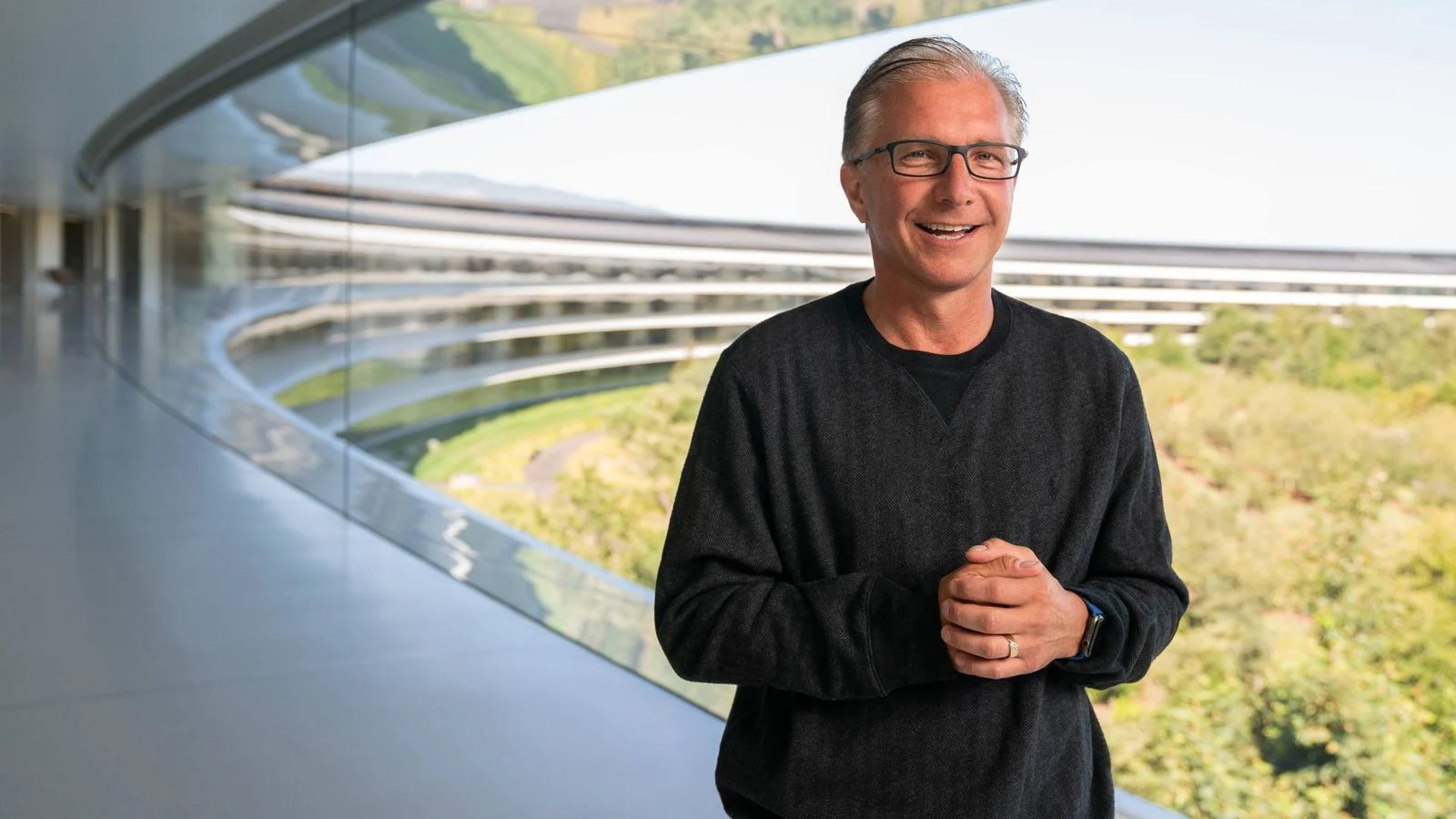
In the interview, Apple executives responded to outsiders’ doubts about the company’s AI strategy. In recent years, as technology companies such as OpenAI, Anthropic, Google, and Meta have continued to promote the development of large-scale artificial intelligence models, some industry insiders worry that Apple has fallen behind its competitors in the field of cutting-edge AI.
However, Apple does not agree with this. Joswiak said that Apple Intelligence is positioned to help ordinary consumers improve their daily life experience, rather than simply demonstrating technical capabilities. He believes that Apple is more concerned with practicality, personalization and privacy protection, rather than pursuing cutting-edge experiments towards the vision of "super intelligence".
In the Time magazine report, Joswiak described part of the Silicon Valley AI circle as a "lunatic fringe," meaning an extremely fanatical group obsessed with superintelligence and futuristic visions. He said that Apple certainly welcomes these users to use Apple Intelligence functions, but they are not Apple's main target market.
Joswiak said that Apple’s real concern is how to make artificial intelligence create value for ordinary people, rather than letting the technology itself become the focus. He emphasized that the company's goal is to make its products more usable, not to participate in a race about a super-intelligent future.
In the interview, Joswiak also responded to whether Apple is worried about competition from enterprise hardware products such as OpenAI. Previously, OpenAI continued to report the development of new AI devices, which also triggered discussions about Apple's future market position.
In this regard, Joswiak made it clear that Apple does not feel threatened. He believes that Apple's greatest advantage comes from its deep integration capabilities between hardware, software and service ecosystems. This unique vertical integration model can create a user experience that is difficult for other companies to copy.
He emphasized that Apple can integrate chips, operating systems, cloud services and artificial intelligence capabilities into the same product system, and this comprehensive experience has been Apple's most important competitive advantage for a long time.
This statement by Apple’s top executives once again reflects the company’s overall strategy in the field of AI in recent years. Unlike some competitors that emphasize large-scale model capabilities, general artificial intelligence, and future superintelligence visions, Apple has always placed more emphasis on localized processing, privacy protection, and deep integration with existing product functions.
Judging from the launched Apple Intelligence functions, whether it is smart writing tools, notification summaries, image generation or the new version of Siri, Apple is trying to integrate AI into existing application scenarios rather than packaging it as an independent product.
As competition in the artificial intelligence industry continues to heat up, Apple is clearly sending a clear message to the market: The company has no intention to participate in the competition of "who is closest to superintelligence", but hopes to use its own ecosystem advantages to shape AI into a more practical, reliable and suitable daily tool for mass users.
Comments