
Abstract:
Sony announced that it will gradually stop the release of PlayStation physical game discs by 2028. The negative response caused by this decision among the developer community may be more serious than outside expectations. Digital John Linneman, Foundry senior author In a recent show, he revealed that after communicating with many industry insiders during Gamescom, he found that small developers and publishers expressed strong opposition to this decision, especially those that still rely heavily on physical sales revenue.
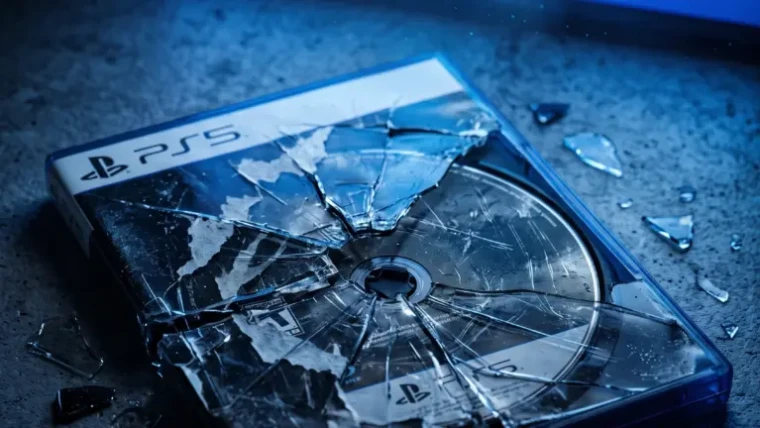
Linnemann said: "The industry's attitude towards this matter is very negative right now. The vast majority of manufacturers I contact are extremely dissatisfied." He explained that several companies he contacted still have a considerable part - in some cases even the majority - of their revenue from physical game sales.
In contrast, large AAA studios, which typically have larger organizational structures and are more reliant on digital distribution, have had a relatively muted response to discontinuing discs. "The big manufacturers and the big AAA partners don't care at all," Linnemann said, "but it will be a pretty serious blow to the small manufacturers."
One potential knock-on effect is that developers may shift their focus to Nintendo platforms. Linnemann pointed out that industry insiders he contacted gave him the impression that some manufacturers intend to focus more on Switch 2, because the Nintendo platform still retains space for physical game distribution. If PlayStation completely abandons discs, Nintendo's advantage in this regard will be even more prominent.
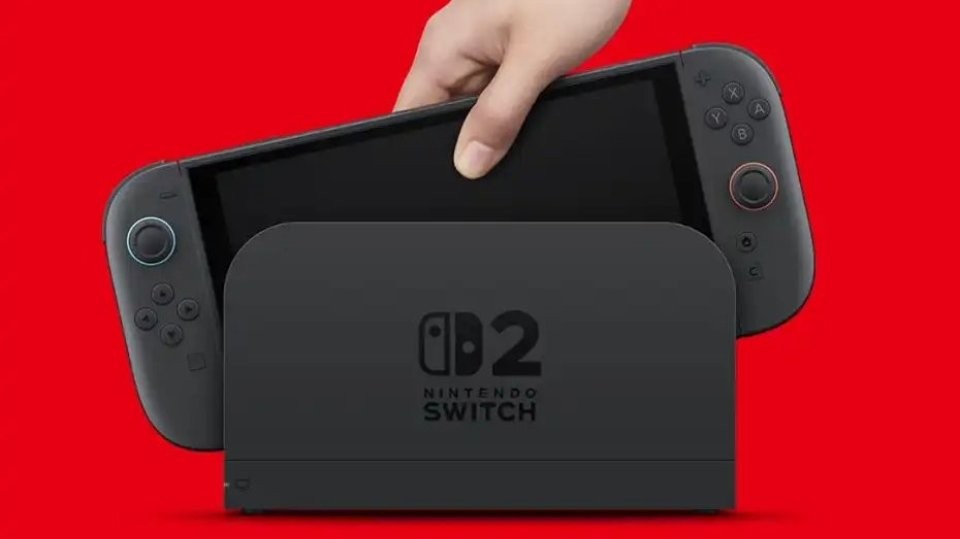
Of course, this does not mean that manufacturers will directly stop publishing games on PlayStation. But Sony's decision may subtly affect manufacturers' resource allocation strategies and platform priority perceptions on each platform.
Linnemann's core point is that Sony may not emerge from this transformation unscathed. He acknowledged that big games will continue to come to PlayStation, but Sony shouldn't assume its dominance won't be shaken by decisions. "They inadvertently exclude the concept of a mainstream console for the masses and the possibility for players to own, resell or exchange their own games," he said.
He believes that gradually stripping away features that consumers value may lead some players to consider other platforms. PCs will be a clear beneficiary with a more open ecosystem - not only greater hardware and software freedom, but also the freedom for consumers to choose between multiple stores, platforms and purchasing channels.
“The more you take away from users, the more they will start to consider other options,” Linneman concluded.
Comments