
Abstract:
Putting drugs, semiconductor materials and high-performance crystals into space to manufacture them, and then transporting the finished products back to Earth via reusable spacecraft sounds like a scene from a science fiction movie, but the European aerospace company Space Cargo Unlimited (SCU) is turning this idea into a reality.
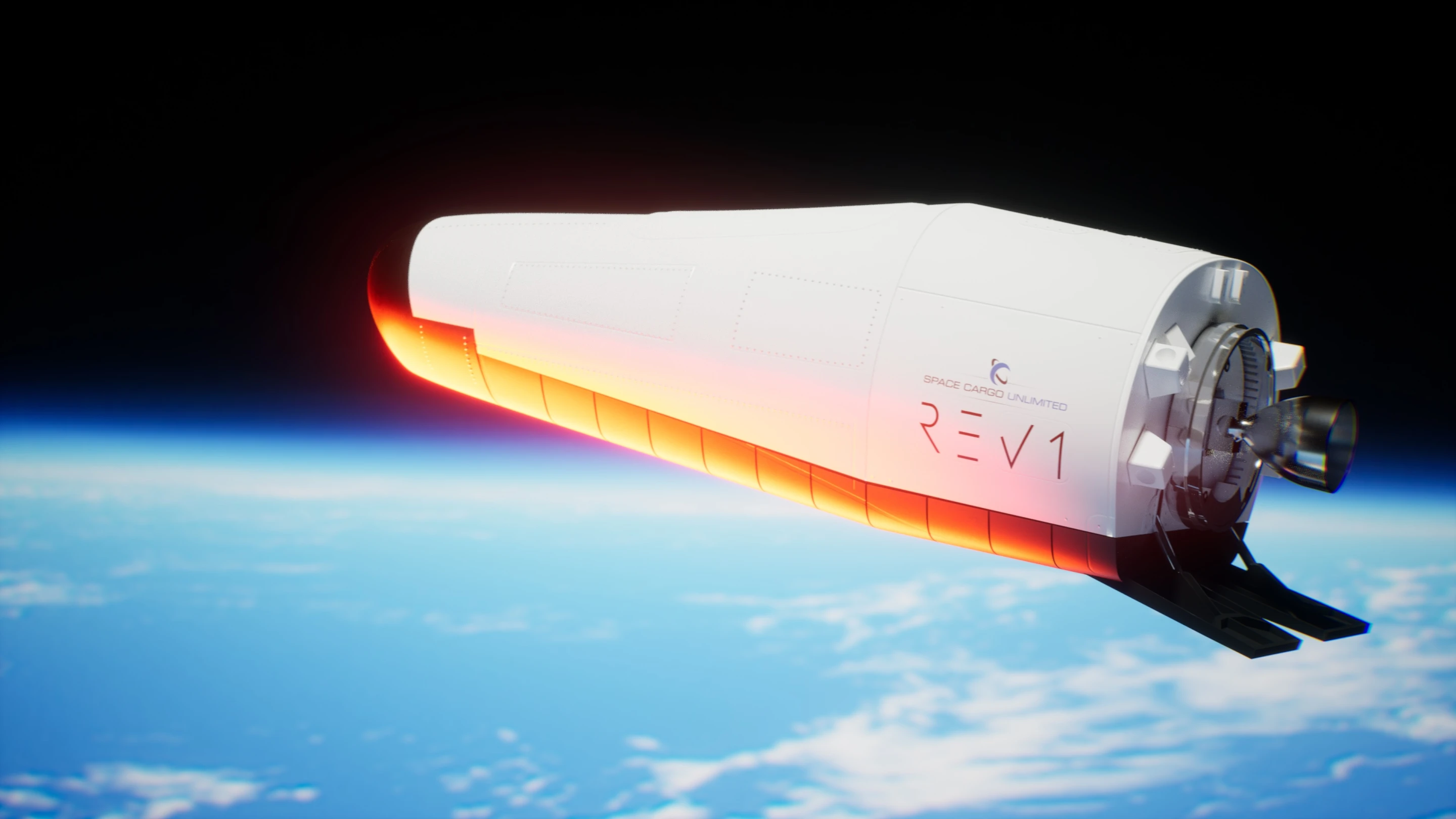
The Luxembourg-based company recently unveiled a full-scale development model of its commercial rail manufacturing project REV1. This is a reusable spacecraft specially designed for space manufacturing and cargo return. It plans to combine the space factory with the transportation system back to Earth. It can carry more than 1 ton of cargo back to the ground in a single mission and is designed to fly approximately 20 times.
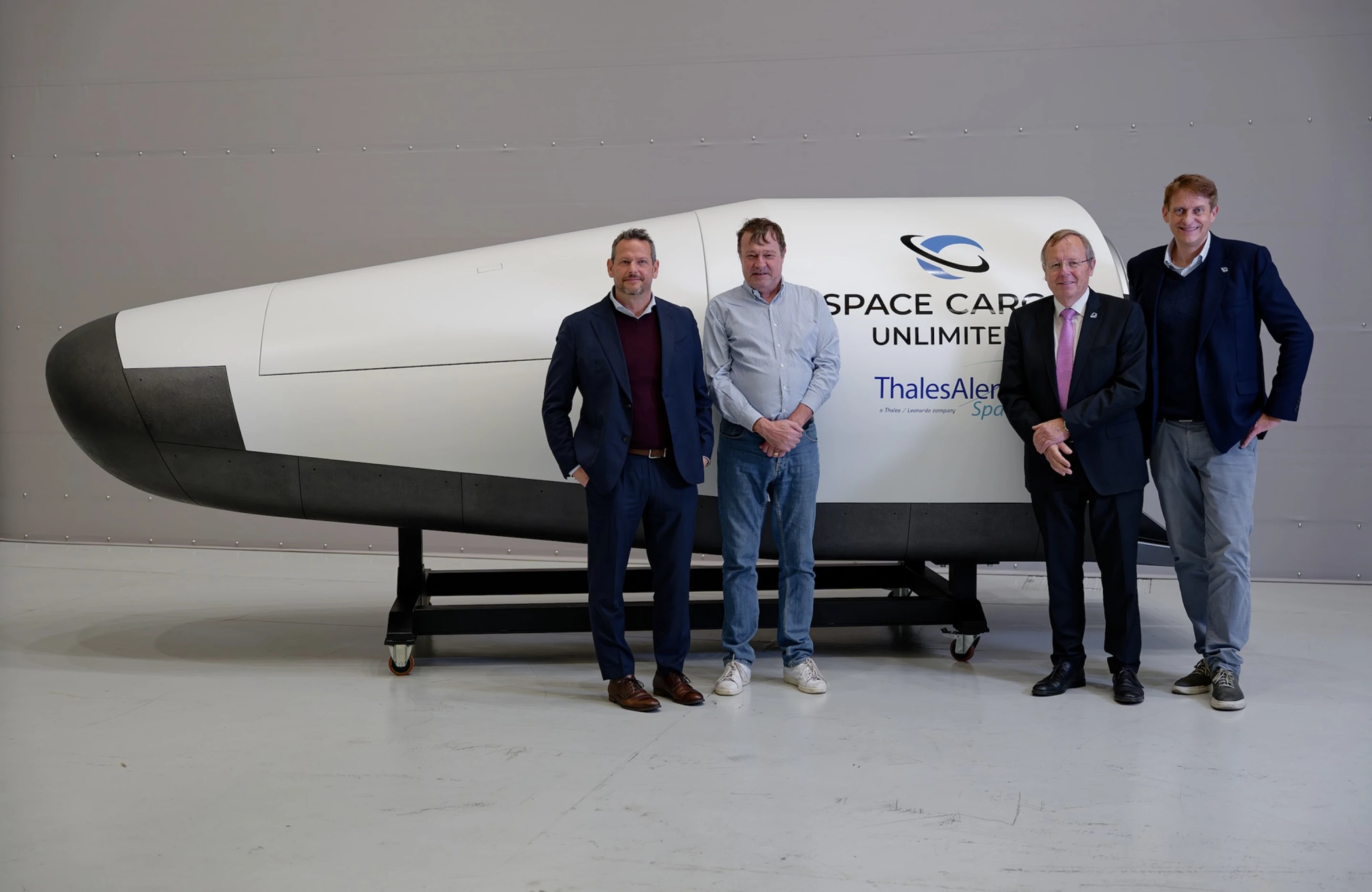
REV1 is jointly developed by Space Cargo Unlimited and European aerospace company Thales Alenia Space. The full-scale development model was publicly displayed for the first time on November 17, 2026 at the Space Tech Expo Europe in Bremen, Germany. The company currently sets 2030 as the target time to reach flight readiness status, but this timetable still depends on the progress of subsequent development and qualification.
Why move factories to space? The core reason is that microgravity can change the manufacturing process of certain materials and biological products.
On Earth, gravity affects convection currents in liquids, particle settling, and crystal growth processes. Heavier particles tend to settle downward, and temperature differences can also cause liquid flow, affecting the uniformity of material formation. In the orbital microgravity environment, these factors are greatly reduced, allowing scientists to create crystals, proteins and other high-value materials under more special conditions.
Drug research and development has already demonstrated the potential in this direction. Merck has previously carried out crystallization experiments on the cancer drug Keytruda (pembrolizumab) on the International Space Station. A study published in 2019 showed that drug crystals grown in a space environment were more uniform in size, with an average diameter of approximately 39 microns; while crystals formed in a terrestrial environment showed significant size differences, approximately 13 microns and 102 microns respectively.
Crystal size and uniformity affect how pharmaceutical formulations are processed and used, so this difference has practical research value. However, manufacturing in space does not mean that all drugs must be produced in orbit. Whether they can ultimately form commercial products with economic value still needs to be verified in terms of production process, quality control and cost.
Space Cargo Unlimited hopes to expand this capability to the pharmaceutical, biotechnology, advanced materials and semiconductor industries. The company said it is currently in contact with more than 150 potential customers and partners, about 40% of which are from the life sciences and biotechnology fields, and the rest are mainly involved in the advanced materials and semiconductor industries.
The core design of REV1 adopts a two-part structure: the Orbital Module and the Re-entry Module.
The orbital module is responsible for providing power and other operational support in space, while the reentry module is responsible for bringing customer-made materials and experimental payloads back to Earth. After returning, the reentry module can be recovered, serviced and refurbished, and then resumed its mission.
This design is significantly different from traditional disposable cargo spacecraft. Traditional cargo spacecraft usually burn up by re-entering the atmosphere after completing their mission, or only part of the structure can be recovered. The goal of REV1 is to reuse the core compartment responsible for cargo return tasks and reduce long-term operating costs.
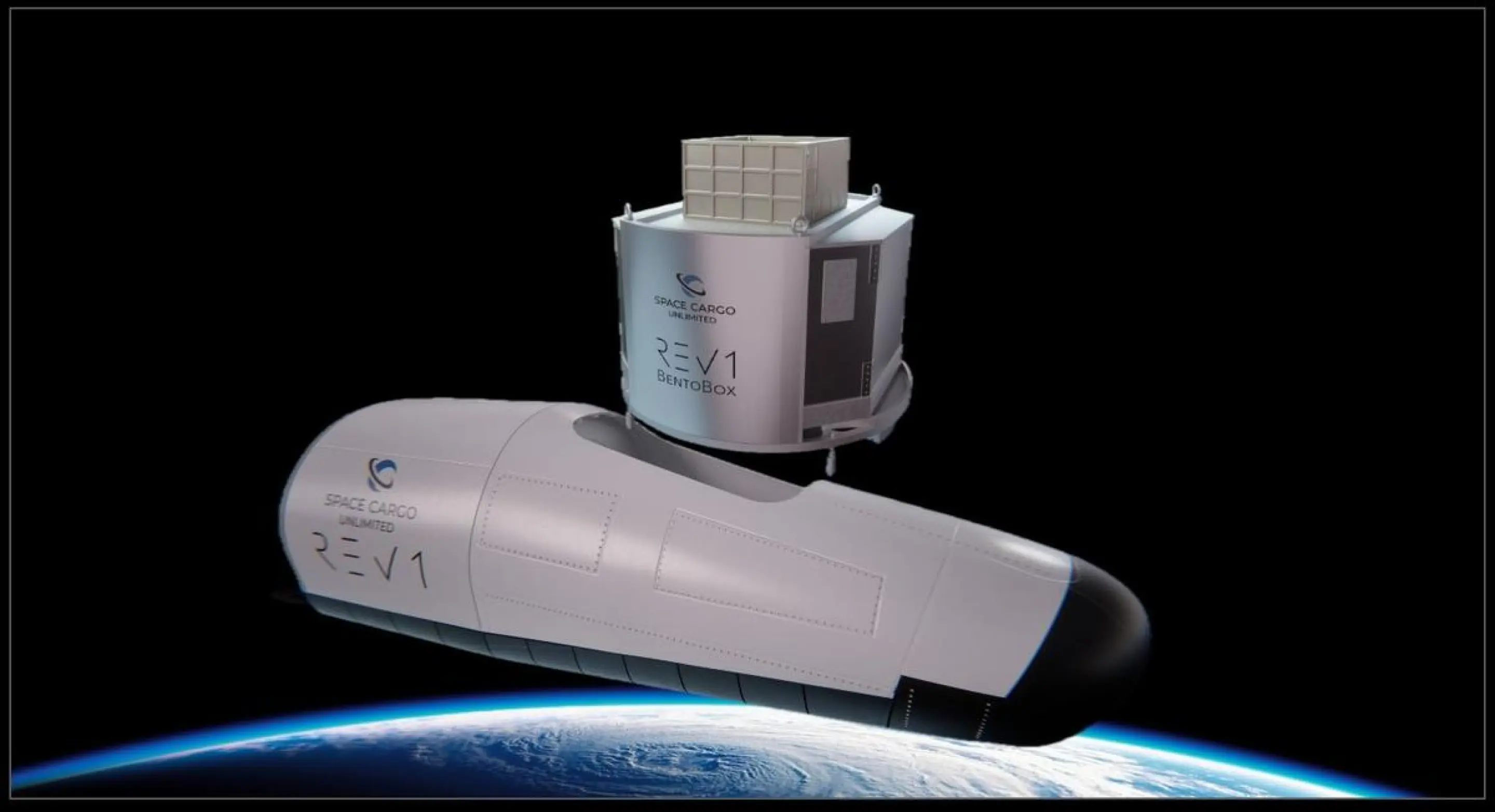
In terms of performance, the design parameters of REV1 are quite outstanding. The overall weight of the spacecraft is expected to be about 3.7 tons, and it has about 1,200 liters of pressurized space inside, which can accommodate a payload of more than 1 ton. The system is capable of providing 2.5 kilowatts of continuous shared power, with single missions ranging from a few weeks to up to approximately six months, depending on the customer's experimental requirements.
Among them, the 1,200 liters of pressurized space is particularly important. For biological samples, drug crystals and precision experimental equipment, it is not enough to simply send cargo into space. Appropriate temperature, pressure, power supply and data communication conditions must also be maintained. REV1 hopes to provide a commercial experimental environment that can operate for a long time, rather than just a simple cargo transportation container.
The equipment that actually undertakes the manufacturing task is another system developed by Space Cargo Unlimited - BentoBox.
If REV1 is understood as a transportation vehicle that can travel to and from space, then BentoBox is a standardized modular factory installed in it. It is responsible for providing power, data, temperature, pressure and other operating conditions to customers' experimental equipment and production processes.
BentoBox adopts a modular design, allowing customers to install their own experimental equipment and monitor the experimental process in space in real time at the ground control center. The system is also planned to support temperature regulation, cooling circuit control, pressure management, power distribution and automated data logging.
For pharmaceutical and biotechnology companies, sample transportation and storage conditions are particularly important. Therefore, BentoBox is also developing a certified transport mechanism for biological samples, including continuous monitoring of samples, recording data, and ensuring traceability of the entire process from ground preparation, launch, orbiting, and return to Earth.
At the same time, the system also plans to introduce autonomous control and edge computing capabilities so that some experiments can run automatically on orbit without relying entirely on ground personnel for real-time operations.
Space Cargo Unlimited does not plan to wait until REV1 is completed to begin commercial missions. The company plans to first use aircraft from other aerospace companies to carry BentoBox and gradually accumulate experience in space manufacturing and cargo return.
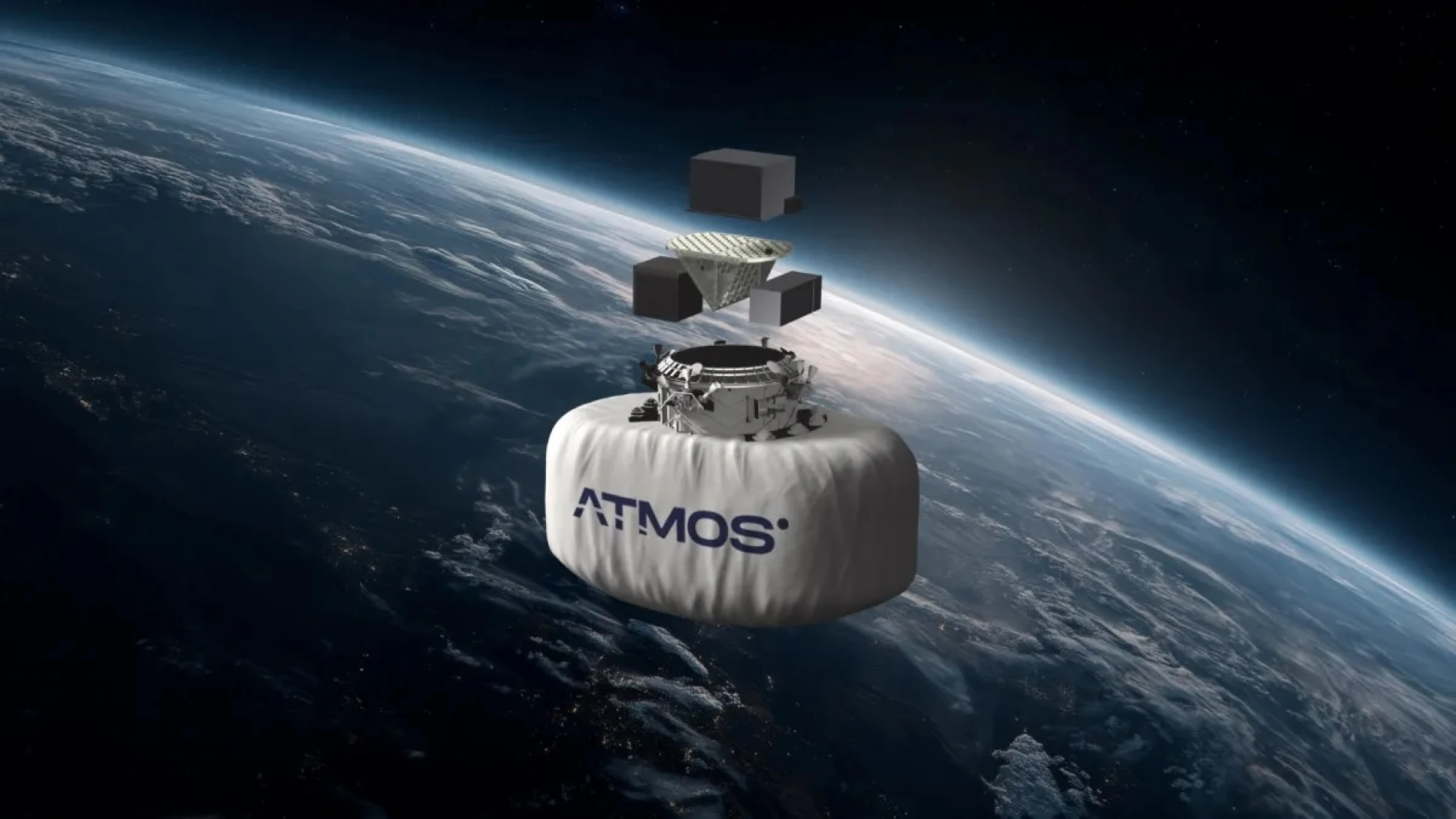
According to the current arrangement, the first BentoBox is scheduled to enter space in 2027 aboard the Phoenix 2.1 reentry vehicle of the German space transportation company ATMOS Space Cargo. Subsequently, the company also plans to carry a BentoBox with a payload capacity of 1 ton on SpaceX's Starfall re-entry vehicle no earlier than 2028.
The purpose of these early missions is to verify the BentoBox's operating capabilities in a real microgravity environment, while accumulating data on equipment installation, experimental operations, communications, cargo return and recovery, etc., to prepare for future commercial operations of REV1.
It’s worth mentioning that Space Cargo Unlimited isn’t the only company trying to build an orbital manufacturing business. The American company Varda Space Industries has launched its own space manufacturing vehicle in 2023 and successfully brought multiple batches of experimental payloads back to Earth. As of the time New Atlas reports, Varda has completed eight return missions.
However, the aircraft currently used by Varda are smaller and use a disposable return capsule design. In contrast, REV1 hopes to provide more than 1 ton of cargo return capabilities and achieve about 20 repeat flights. There are obvious differences in the design goals of the two.
Of course, REV1 is still a long way from being put into commercial operation.
Space Cargo Unlimited announced the REV1 plan as early as 2022. At that time, it was expected that the project would start operations by the end of 2025. However, as development progresses, the timetable has been adjusted to 2030. Although what the company is currently displaying is a full-scale development model, it is not a complete spacecraft that is already capable of flight.
In addition, REV1 has not yet determined which launch vehicle will be ultimately used for launch. How to complete the connection and separation between the orbital module and the reentry module still involves complex engineering issues. As for the specific landing method after returning to Earth, it is still not completely determined. The company’s official website mentioned a runway landing plan.
The business model is also an unproven problem.
Although space microgravity manufacturing has achieved some results in scientific research, commercial products that can actually be produced in space, shipped back to Earth and sold at competitive prices are still very limited. Launch costs, equipment research and development, orbital operations, cargo recovery and product quality certification may all become factors restricting large-scale development.
Space Cargo Unlimited has currently raised approximately 40 million euros in cumulative financing, has a team of more than 50 people, and has operations in five countries. The company hopes to use BentoBox to build a standardized space factory that can carry different spacecrafts, and then use REV1 to provide larger-scale and more stable orbital manufacturing and cargo return capabilities.
From an industrial perspective, the most important significance of REV1 is not to add another cargo spacecraft, but to try to establish a complete commercial space manufacturing system: customers can send equipment into orbit, complete experiments or production in a microgravity environment, and then bring high-value products back to Earth, and reduce transportation costs through reuse.
If this model can eventually be realized, space will no longer be just a place for scientific research institutions and aerospace companies to conduct experiments, but may also become a new production environment for the pharmaceutical, biotechnology, semiconductor and advanced materials industries.
But before it can truly achieve flight capabilities in 2030, REV1 still needs to cross multiple thresholds such as spacecraft development, reuse verification, commercial customer demand and product economics. Whether it can become the first reusable track factory with truly large-scale commercial value remains to be tested by actual missions in the next few years.
Comments