
Abstract:
Intel is facing a securities class action lawsuit from shareholders. On November 13, local time, a group of Intel investors filed a lawsuit in the federal court in San Jose, California, accusing Intel, its CEO Lip-Bu Tan, and CFO David Zinsner of failing to promptly disclose to investors the true impact of the continued downturn in the personal computer market and inventory backlog on the company's business during the third quarter of 2026, resulting in investors making investment decisions with insufficient information.
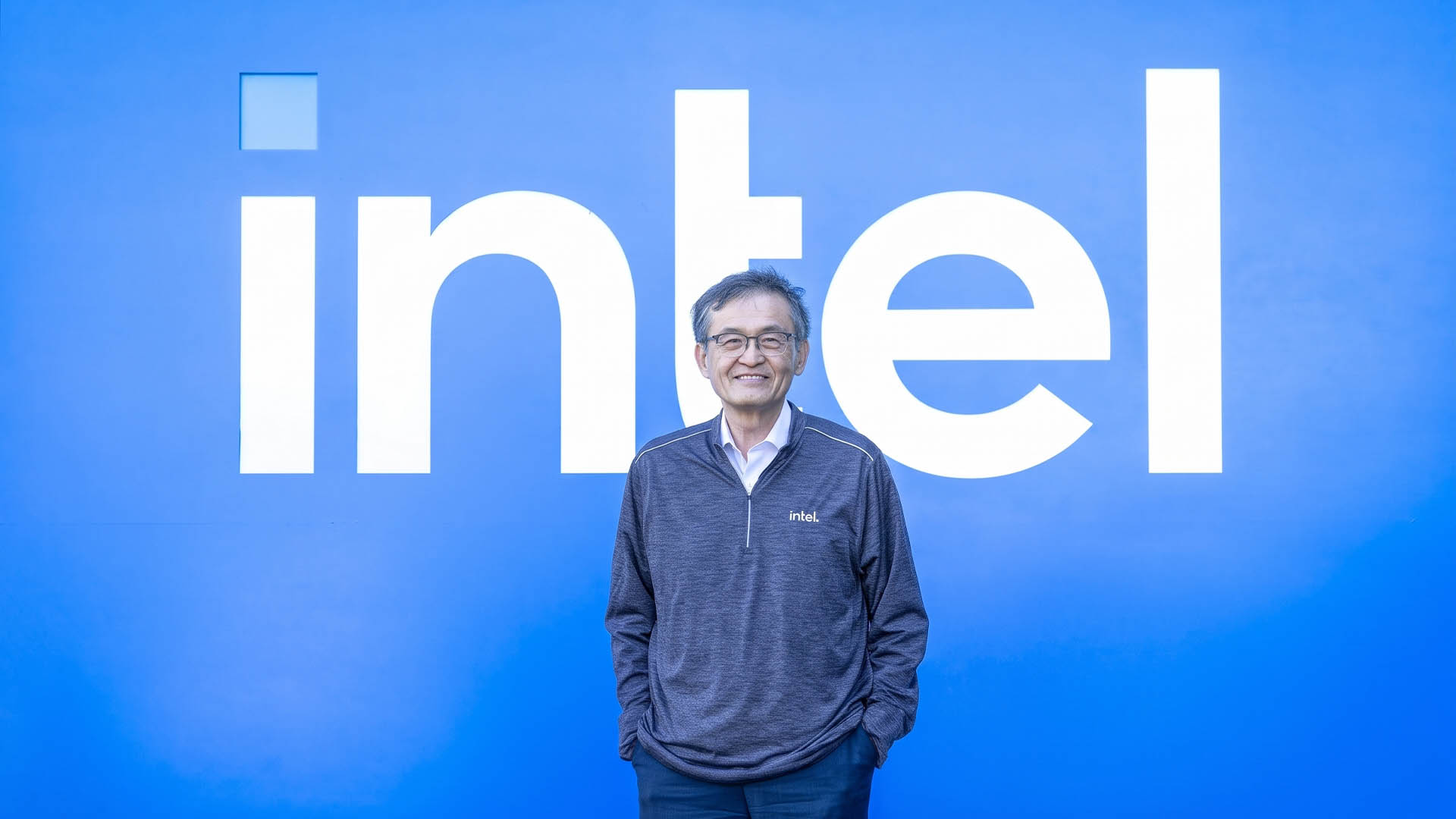
The proposed class action lawsuit is led by the City of Southfield Fire and Police Retirement System in Southfield, Michigan. The plaintiff believes that Intel’s PC business has deteriorated far beyond the information management previously conveyed to the market, and that the growth brought about by data center construction and investment in artificial intelligence infrastructure is not enough to offset the losses caused by the decline in the traditional PC market.
The lawsuit focuses specifically on a large-scale stock offering that Intel conducted in mid-August 2026. At that time, Intel sold shares at $95 per share to raise approximately $23 billion to support the company's strategy of expanding its foundry business. The plaintiff believes that even though the company's operating conditions have significantly deteriorated in the third quarter, the management still promoted large-scale financing without fully disclosing the severity of weak demand in the PC market and the severity of the inventory backlog. Therefore, it was suspected of misleading investors.
This financing is closely related to Chen Liwu’s strategy after taking office. He hopes to revitalize Intel's chip manufacturing business so that the company can not only produce its own processors, but also become a foundry that provides advanced process services to external customers. However, building and expanding advanced manufacturing facilities requires huge capital investment, and how to raise funds has become a key issue for whether this strategy can be promoted.
The lawsuit believes that the difficulties Intel faced at the time were not just declining demand in the PC market. As the construction of artificial intelligence data centers consumes a large amount of memory chip production capacity, DRAM prices continue to rise, further pushing up the cost of personal computers and weakening consumers' willingness to purchase. At the same time, PC manufacturers and distributors have accumulated a large amount of inventory that is difficult to digest, causing them to reduce their purchases of new processors.
This means that Intel is not only facing a decline in terminal demand, but also under dual pressure from inventory adjustments in the industry chain. The plaintiffs believe that management’s previous presentation of the PC business prospects did not fully reflect these issues, nor did it make investors aware that the impact on the traditional PC business may exceed the growth benefits brought by the artificial intelligence and data center markets.
When Intel announced its third-quarter results on October 29, the market saw the severity of the problem more clearly. The company's current-quarter performance and fourth-quarter performance guidance were lower than market expectations, and it warned that the weakness in the PC market may continue for a longer period of time.
Intel CEO Chen Liwu admitted during the earnings call that the company was affected by manufacturing supply bottlenecks and unprecedented tight memory supply, which has also put pressure on PC market demand. He said companies must address these issues urgently.
At the same time, Intel also faces another limitation: Although demand for server processors from data center customers continues to grow, the company is constrained by supply links such as wafers and packaging substrates, and cannot quickly increase production. This means that even if PC business demand declines, Intel may not be able to immediately shift production resources to data center processors that are in tight supply to fully exploit the market opportunities brought about by investment in artificial intelligence infrastructure.
On October 30, the second trading day after the financial report was released, Intel's stock price plummeted 28.6%, and its market value evaporated by approximately US$140 billion in a single day. This was an extremely serious one-day drop in the company's stock price, and it also became an important background for this shareholder lawsuit.
The lawsuit seeks compensation on behalf of investors who purchased Intel shares between July 23 and October 29, 2026, but the specific amount has not yet been determined. In addition to Intel itself, Chen Liwu and Chief Financial Officer David Zinsner are also named as defendants.
It is worth noting that this is still a lawsuit allegation and does not mean that the court has found that Intel or the two executives committed fraud. The case is still in its early stages, and Intel had not officially responded to the lawsuit as of the time of the Reuters report.
For Chen Liwu, this lawsuit undoubtedly adds new pressure to the Intel reconstruction plan he is promoting. In the past year, the company has tried to re-establish its competitiveness in the semiconductor manufacturing field by expanding advanced process manufacturing capabilities, restructuring product routes, and gaining external customers. But this strategy requires continued investment of large amounts of capital, and the weakness of the traditional PC business, manufacturing supply constraints and fluctuations in capital market confidence are making the transformation process more complicated.
From a shareholder's perspective, the core of the dispute is not just Intel's decline in PC sales, but whether management fully disclosed existing operating risks when the company conducted large-scale financing. If the plaintiff is ultimately able to prove that the company made major omissions in information disclosure during the relevant period, the case may further evolve into a test of Intel’s management’s information disclosure responsibilities and corporate governance capabilities.
Comments