
Abstract:
As the U.S. government continues to tighten supervision of the flow of advanced artificial intelligence technology to China, NVIDIA has recently issued a warning to some customers, reminding them of the potential legal risks associated with Chinese companies acquiring AI computing power. According to people familiar with the matter, Nvidia believes that once the new regulatory laws in the United States are implemented, both chip suppliers and data center operators that provide computing power services may face regulatory investigations and even legal liabilities.
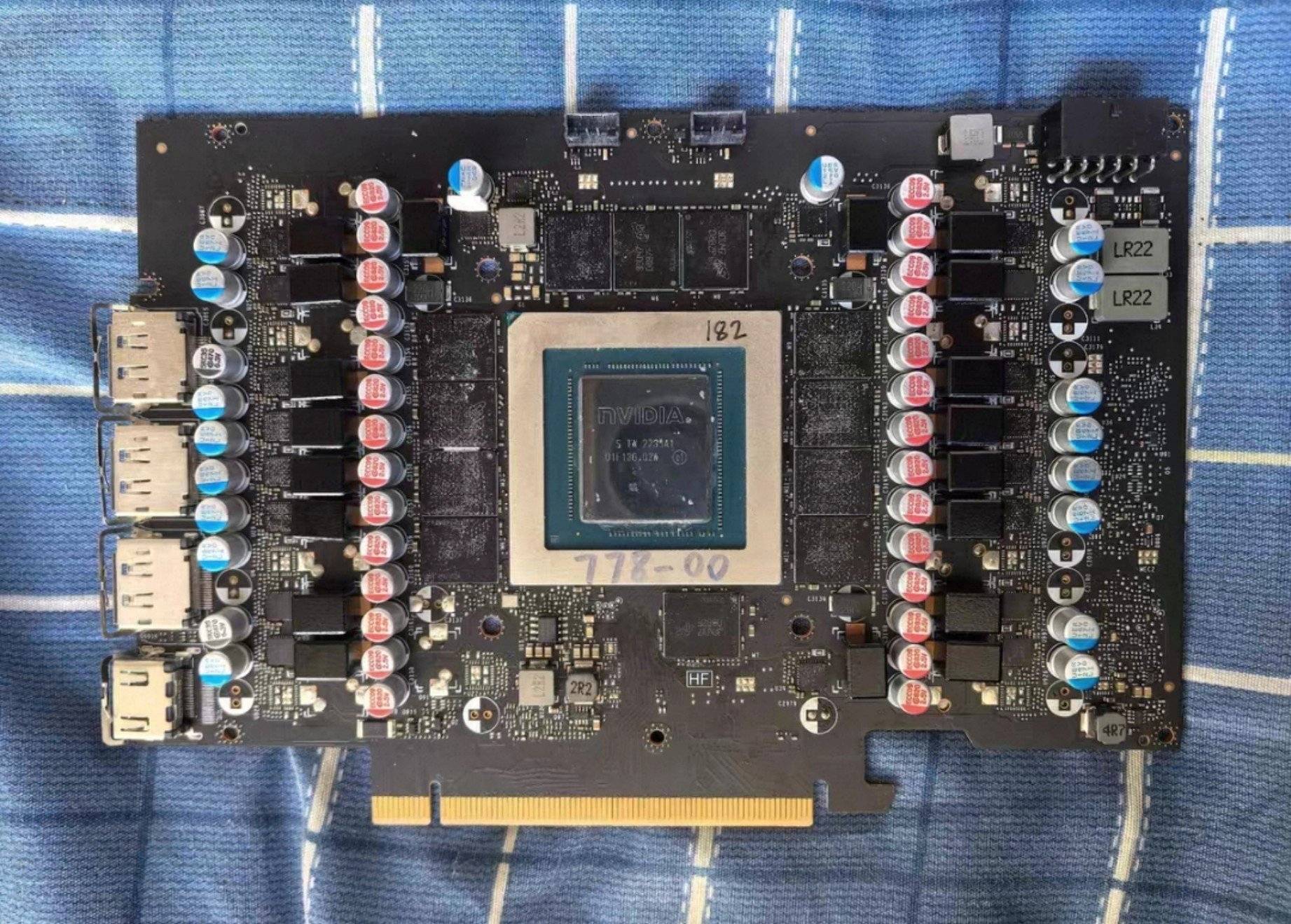
Currently, U.S. export control policies have restricted the direct export of high-performance artificial intelligence chips to China. However, the U.S. government is trying to further plug regulatory loopholes and expand the scope of supervision from physical chips to overseas cloud computing services and remote computing power access channels. Regulators are worried that even if Chinese companies cannot directly purchase advanced chips, they may still rent computing resources through overseas data centers and continue to use the most advanced artificial intelligence hardware in the United States.
It is understood that when communicating with customers, Nvidia specifically mentioned the Remote Access Security Act (RASA) being promoted by the U.S. Congress. The bill aims to give the U.S. government greater authority not only to restrict the export of advanced chips but also to regulate remote access to those chips through cloud services. If the bill finally takes effect, relevant companies will face more stringent compliance requirements when providing AI computing power services to Chinese customers.
At the same time, Nvidia has also raised its own sales threshold. Sources said the company has said it will not sell chips to customers that lease more than half of its GPU resources to Chinese companies. This means that data centers and cloud service providers will be subject to more restrictions on customer structure arrangements in the future.
In fact, similar signs have appeared before. There are reports that Nvidia has verbally informed some data center customers that in future cooperation agreements, it should ensure that at least 51% of its service capabilities are for non-Chinese customers to reduce potential regulatory risks and meet policy requirements that may be introduced in the future.
U.S. regulatory authorities have been concerned in recent years that leasing computing power through overseas cloud platforms has become an important way for some companies to bypass physical chip export restrictions. Since related services occur in overseas data centers, the United States previously lacked adequate regulatory means for this remote access model, so promoting a new regulatory framework has become a policy priority.
The Remote Access Security Act was passed by the U.S. House of Representatives earlier this year, but has yet to complete Senate consideration. At the same time, the Trump administration continues to promote the strengthening of export controls in the field of artificial intelligence, hoping to maintain the United States' leading position in the global AI competition by restricting the flow of advanced computing power to China.
This month, US media reported that Chinese artificial intelligence company Dark Side of the Moon had tried to obtain Nvidia's advanced chip resources through European data centers. Previously, the U.S. government had also accused the company of obtaining relevant computing power support through data centers in Asia. These cases have further intensified U.S. regulatory authorities’ concerns about remote access models.
The Bureau of Industry and Security of the U.S. Department of Commerce also recently announced a new temporary rule with the goal of restricting Chinese companies from remotely accessing U.S. advanced artificial intelligence chips and supercomputing resources. Analysts believe that this shows that the focus of US supervision is gradually shifting from traditional hardware export control to computing power service supervision.
Nvidia and the U.S. Bureau of Industry and Security have so far not commented publicly on issues of concern to the outside world.
In addition to regulatory pressure, Nvidia has recently faced additional scrutiny from U.S. political circles. U.S. Treasury Secretary Scott Bessant recently publicly called for "dramatic reforms" to Nvidia and questioned the company's internal culture on export control compliance. He said that it is necessary for relevant U.S. authorities to further examine the responsibilities of Nvidia’s management on related issues.
Faced with continued pressure, Nvidia previously stated in documents submitted to regulatory agencies that the company has always strictly complied with various export control regulations. However, after the product is sold, the company cannot actually control the hardware, so it needs to rely on its customers and partners' own compliance management systems to ensure that relevant regulations are implemented.
The industry generally believes that the United States is building a full-chain supervision system covering chip production, hardware sales, cloud services and remote computing power access. In the future, global data center operators, cloud computing companies, and artificial intelligence service providers may face stricter review requirements, and international competition around the control of advanced AI computing power may further escalate.
Comments