
Abstract:
As the global technology industry continues to increase the construction of artificial intelligence infrastructure, a new bottleneck is gradually emerging. The problem is no longer that advanced chips cannot be purchased, but that even if a large number of high-performance GPUs are obtained, data centers may not have enough power to put them into operation.
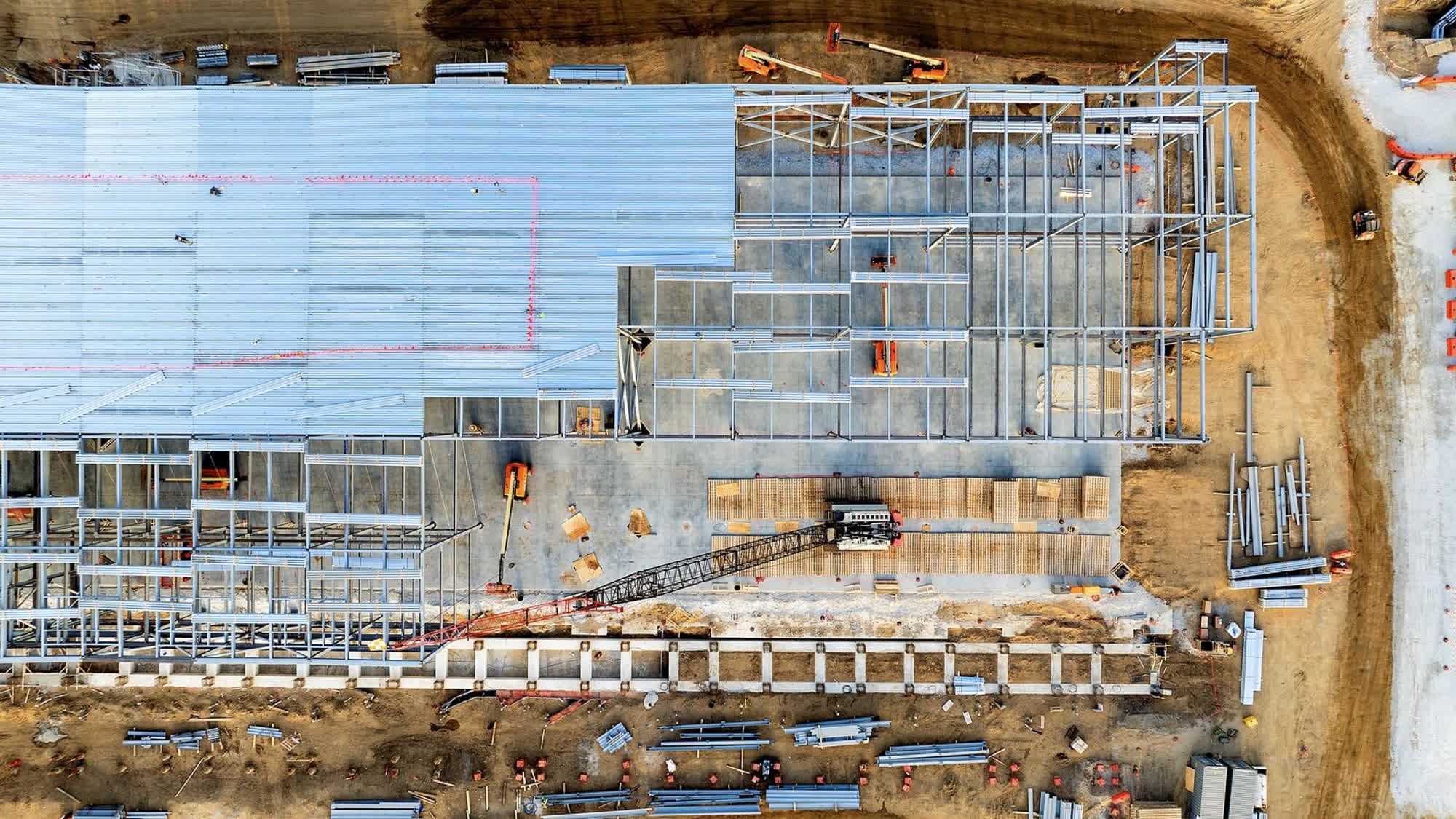
According to reports, Amazon’s cloud computing unit AWS is purchasing Nvidia’s latest AI server systems at an unprecedented rate. According to internal planning, AWS was once expected to receive NVIDIA GB300 server racks worth approximately US$5 billion, and plans to continue purchasing related equipment at a monthly scale of approximately US$3 billion in the future. However, some equipment is not put into use immediately after delivery, but is temporarily stored in warehouses or transfer facilities.
The reason for this phenomenon is not insufficient demand, but that although some data centers already have installation space, they lack sufficient power supply capacity to drive these high-power AI systems. The industry refers to this type of equipment that has been purchased but is temporarily unable to operate as "dark GPU". This concept can refer to hardware that is idle due to power or infrastructure constraints, or it can be used to describe deployed but underutilized AI computing resources.
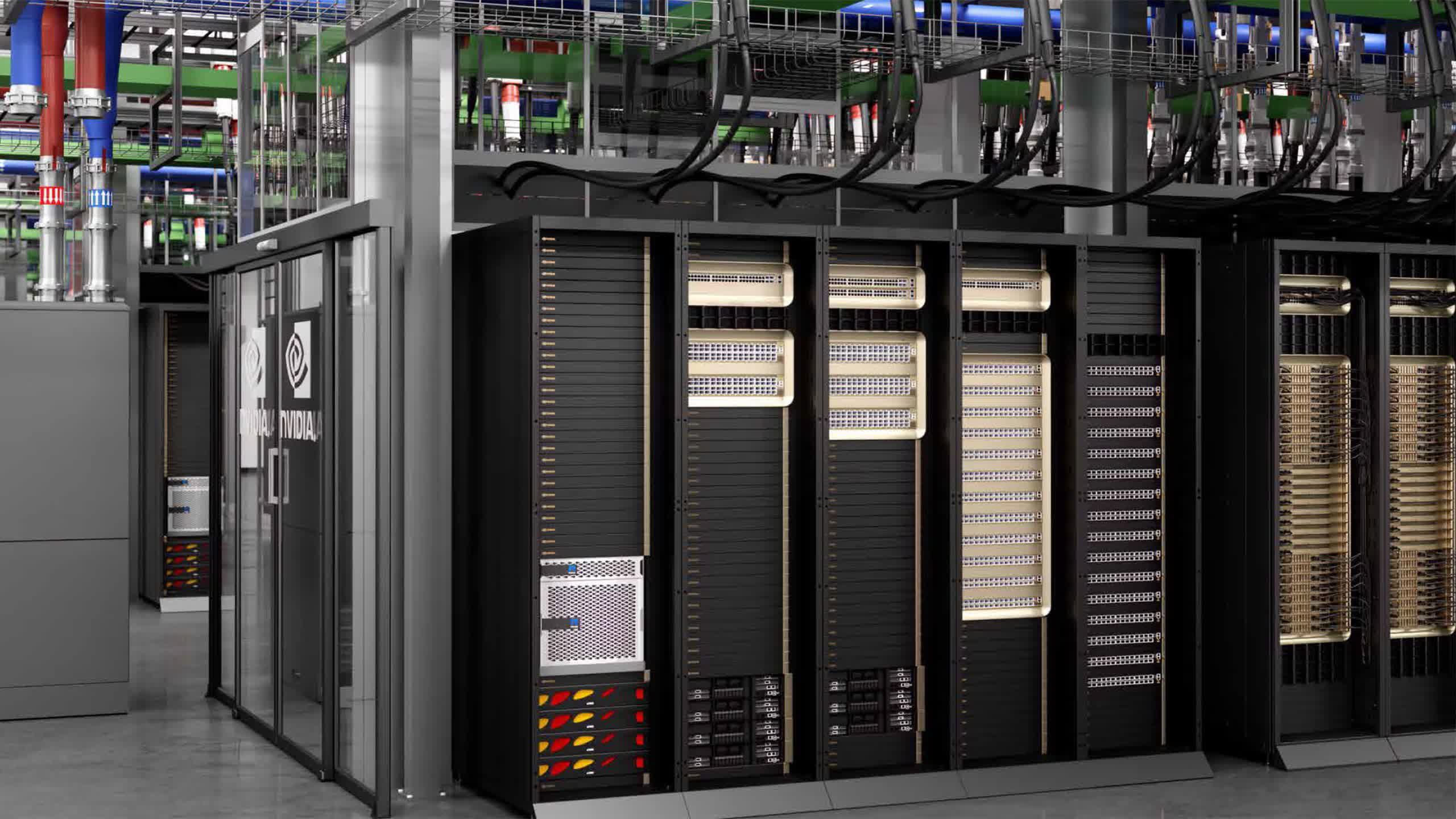
In the past few years, the main challenge facing the artificial intelligence industry has been the tight supply of advanced chips. Major technology companies are competing for Nvidia's GPU quota, and chips are often in short supply. But as companies lock in supply chain resources in advance, new constraints begin to shift to power grids and energy infrastructure. For large data center operators, access to stable and adequate power supplies is becoming as important as access to chips.
In order to ensure that it will not fall behind in future chip competition, Amazon has adjusted its procurement model. According to previous procedures, companies usually formally receive and pay for server racks after they arrive at a data center ready for operation. Under the new "early receipt of racks" mechanism, Amazon will complete the receiving and payment process earlier, even if the equipment has not yet been installed at the final operating location.
This approach helps to lock in scarce hardware resources in advance, but it also means that enterprises need to invest a lot of money in advance, and these devices cannot generate revenue before they are officially online and provide cloud computing services to customers. As a result, the tension between huge capital expenditures and delayed returns is intensifying.
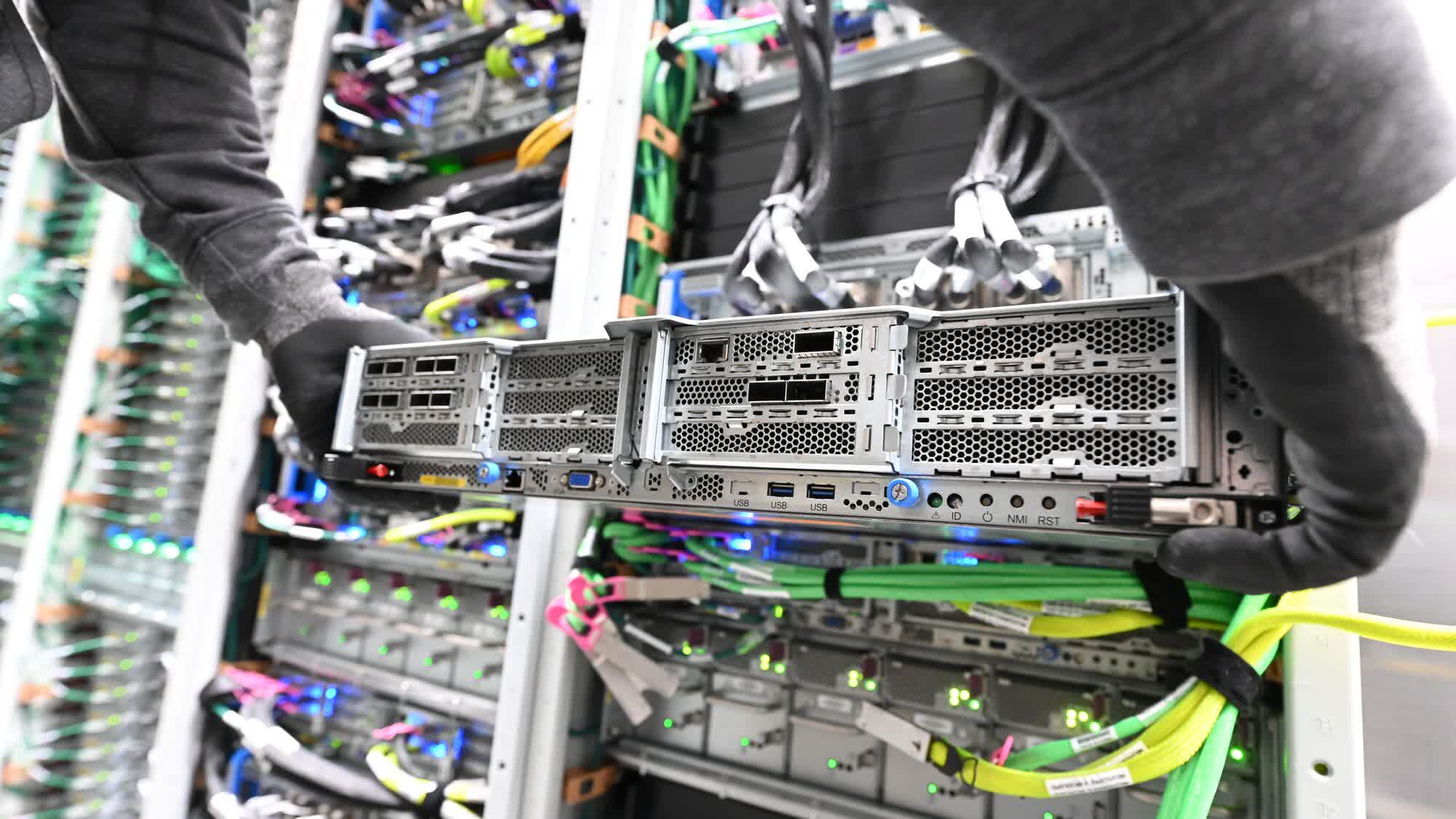
Amazon plans to invest approximately US$220 billion in capital expenditures on AI and cloud computing infrastructure this year, exceeding the scale of many technology peers. At the same time, the company's free cash flow has been under significant pressure and has turned negative for the first time in recent years. For AWS, occupying key hardware resources in advance is seen as a strategic choice, even if some equipment is temporarily unable to operate.
Analysts pointed out that the current development focus of the AI industry is changing. Two years ago, the industry focused on who could get more NVIDIA GPUs. Now more and more companies are discovering that the real scarce resource may not be the chips themselves, but the energy and power networks needed to support the operation of these chips.
As the scale of AI models continues to expand and the demand for computing power continues to grow, power supply, transmission capacity, and data center construction cycles are gradually becoming key factors affecting industry development. The large number of GPUs that are temporarily idle also reflects the reality from the side: the artificial intelligence competition is not only a battle for chips, but also a battle for energy and infrastructure.
Comments