
Abstract:
As the global artificial intelligence race continues to heat up, Amazon is expanding its AI infrastructure on an unprecedented scale, but this strategy has also put huge pressure on the company's cash flow. The latest reports claim that Amazon has invested huge amounts of money in purchasing Nvidia GB300 rack servers, causing free cash flow to turn negative, and this situation is expected to continue in the next few years.
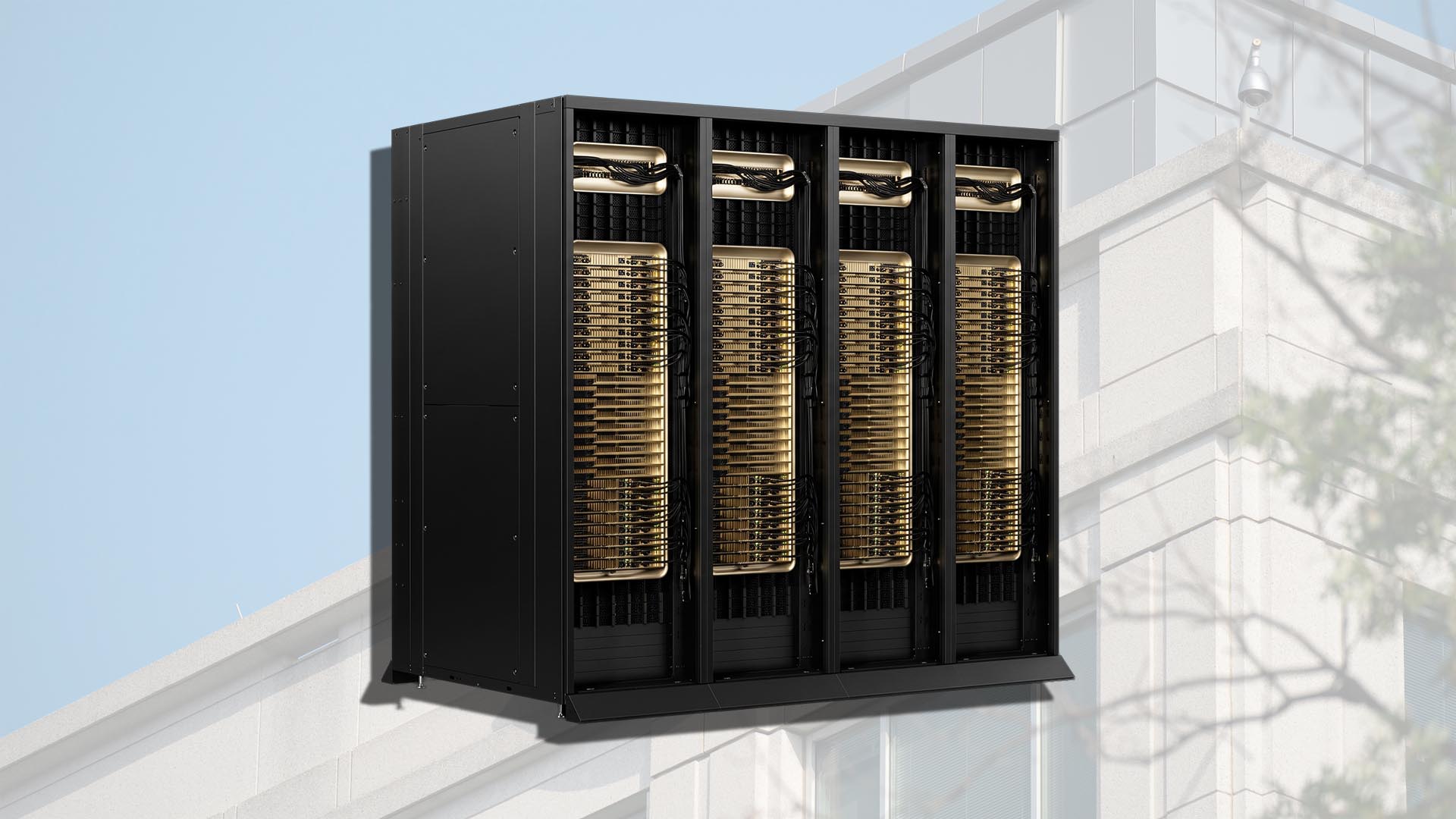
In August this year alone, Amazon received approximately US$5 billion worth of Nvidia GB300 rack equipment, and subsequently continued to receive approximately US$3 billion in related deliveries every month. These equipment are regarded as important infrastructure to support future AI computing needs. However, due to construction progress and power supply constraints, some equipment cannot be put into operation temporarily after delivery.
It is understood that although some AWS data centers already have the space conditions to install GB300 racks, they lack enough power to support the online operation of the equipment. Therefore, some hardware can only be temporarily stored in warehouses, waiting for the completion of infrastructure construction. At the same time, Amazon needs to pay for and receive these expensive equipment in advance, so that a lot of funds are tied up in advance, and the related facilities have not yet generated actual revenue.
Financial data shows that Amazon's free cash flow has deteriorated significantly. The company's free cash flow dropped from approximately US$50 billion in the first quarter of 2024 to approximately US$1 billion in the first quarter of 2026, and by the second quarter of 2026, free cash flow further fell to negative US$7.6 billion.
One of the important reasons for the deterioration in cash flow is Amazon's surge in investment in fixed assets and equipment. Data show that the company's net property and equipment purchase expenditures increased by US$66.1 billion year-on-year. Despite this, Amazon has not slowed down its pace of investment, and market sources say its 2026 capital expenditure target may reach US$200 billion or even higher.
In fact, this is not the first time Amazon has faced cash flow pressure. From 2022 to early 2023, the company also experienced a similar situation during the construction of its logistics system. However, compared with that year, the scale of AI infrastructure investment this time is significantly larger, and there is more uncertainty in the investment return cycle, which has attracted wider market attention.
In an internal meeting held in September this year, AWS Chief Financial Officer John Felton half-jokingly said to Prasad Kalyanaraman, who is responsible for the infrastructure business: "You are the one who turned the company's free cash flow into negative numbers. Congratulations."
Although this statement was joking, the person in charge did not deny it. According to reports, Kalyana Raman described Amazon's current AI business as a "seriously cash-consuming" business segment and expected the company's free cash flow to remain negative in the next few years.
However, from the perspective of business needs, Amazon does not have the problem of insufficient orders. AWS business revenue increased 37% year-on-year in the second quarter, setting one of the fastest growth rates in many quarters. At the same time, the backlog of AWS contracts has reached approximately US$496 billion, showing that the market demand for cloud computing and artificial intelligence computing power is still very strong.
Analysts believe that Amazon is currently facing a typical problem in the AI era: companies must invest huge amounts of money several years in advance to build data centers, power facilities and high-performance computing platforms, and it will take longer for these investments to generate returns. Although cash flow is under pressure in the short term, Amazon is clearly betting that future AI demand will be sufficient to absorb these historical levels of capital expenditures and ultimately translate into long-term growth momentum.
Comments