
Abstract:
Although the U.S. export control list has included Nvidia's B300 artificial intelligence chip in the scope of the embargo against China, the latest investigation shows that as long as you know the "right people" and have sufficient funds, this set of Blackwell Ultra top-end hardware is not difficult to buy in China. According to the "Washington Post" report, a B300 server equipped with eight GPUs is priced at approximately US$3 million to US$3.4 million in the Chinese market, which is equivalent to 5 to 6 times the retail price in the United States.
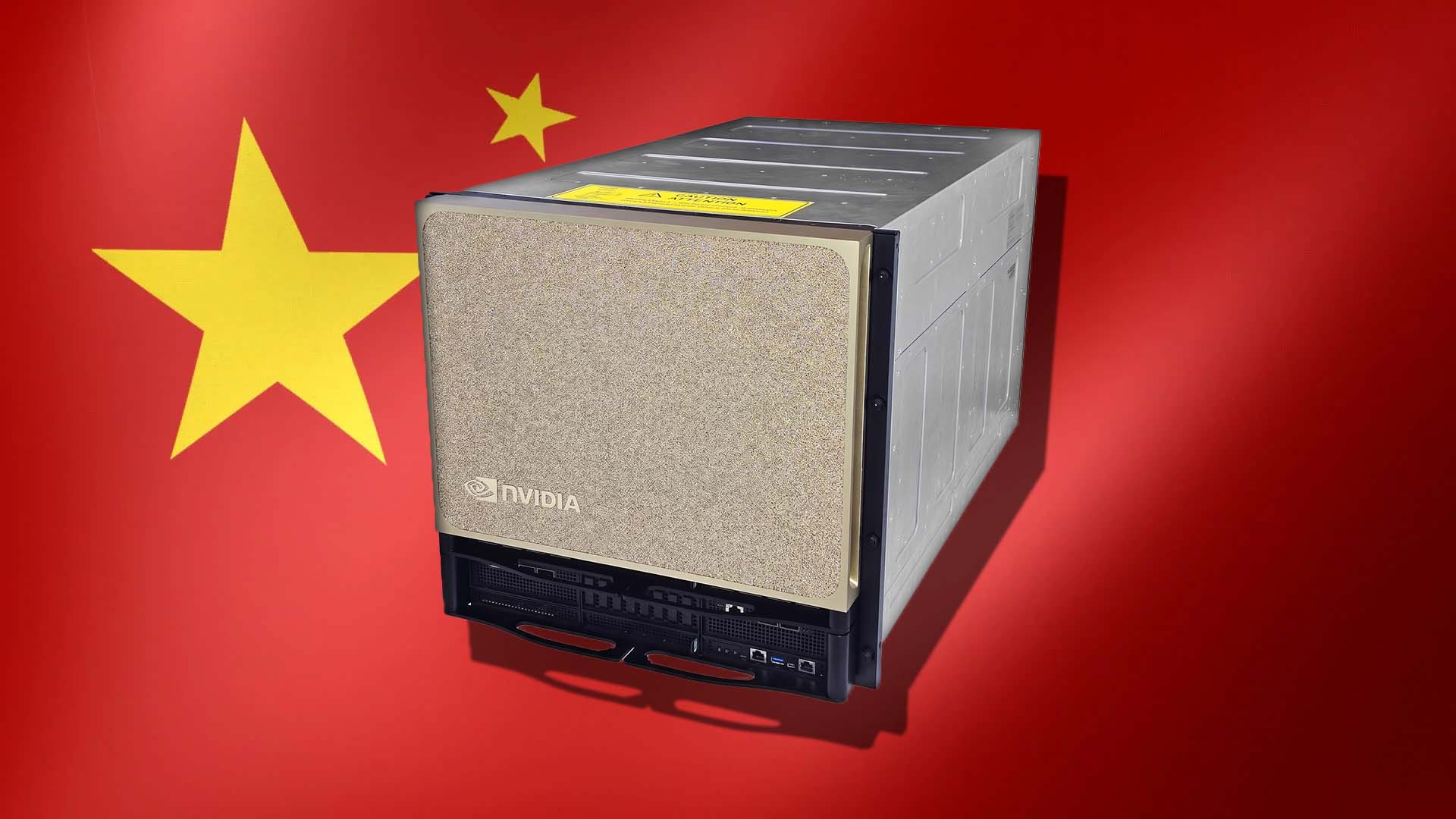
Buying NVIDIA's top AI accelerator in China is almost one of the easiest things. Buyers only need to go into the local electronics market and find a
suitable middleman
, the deal can be concluded. A Shenzhen consultant described that if he wanted to start an artificial intelligence company, he only had to go to Huaqiangbei and "negotiate a deal" with merchants.During an on-site visit to the Huaqiangbei Electronics Market in Shenzhen, a seller who called himself "Wu" offered a price of about US$3 million for an 8-GPU server equipped with the flagship B300 chip. Other local merchants selling Blackwell racks also generally quote prices between US$3 million and US$3.4 million for similar 8-GPU machines. In contrast, even if Chinese buyers had strong funds, the most powerful product they could buy was only the NVIDIA H200.
As for how these GPUs listed on the trade ban entered China, the seller surnamed Wu said that his supply of restricted chips was transshipped through Hong Kong, but he claimed that he did not know the original source of the hardware before arriving in Hong Kong. Another middleman, Jason Zheng, revealed that China’s gray market channels are quite mature, and buyers from Russia and Iran will even fly directly to China to buy restricted Nvidia systems at high premiums instead of finding sources of goods themselves.
This gray market is also constantly hoarding H200 chips. Previous estimates stated that the price of an 8-GPU H200 server was approximately US$900,000, a premium of three times. The reason the price is so high is because China's escalating trade restrictions on Nvidia's AI hardware have made it extremely difficult for traders to obtain these chips, making them a hot commodity in the gray market.
Due to the lack of thousands of B300 servers, China is obviously limited in the development of cutting-edge AI models. Therefore, customers are willing to pay a 5 to 6 times premium to gain an advantage in this extremely competitive track. The deals also expose U.S. inefficiencies in stemming the flow of restricted hardware to China.
This is not the first time that the US regulatory system has been questioned as being ineffective. Previously, there were reports that Nvidia H200 AI GPU had appeared in "ghost offices" owned by companies with close ties to the Chinese military. China Telecom is also considered to have sufficient channels and funds, otherwise it would be difficult for the company to deploy 32 sets of Nvidia B300 servers.
If hardware already on the U.S. export control list can still flow into China, what role do these restrictions still play? Enforcing a trade ban cannot rely solely on paper documents, but also requires thorough due diligence. After all, if Chinese buyers are already so adept at getting their hands on B300 chips, what's to stop them from getting their hands on Nvidia's upcoming next-generation AI GPU, Vera Rubin?
Comments