
Abstract:
Nvidia was originally rumored to be planning to launch a GeForce RTX 5080 equipped with 24GB of video memory to replace the existing 16GB version, but the latest supply chain news shows that this plan may have been cancelled. The main reason for this change is said to be that the new 3GB capacity GDDR7 memory chip is too expensive, making it difficult to achieve reasonable cost control for the 24GB version.
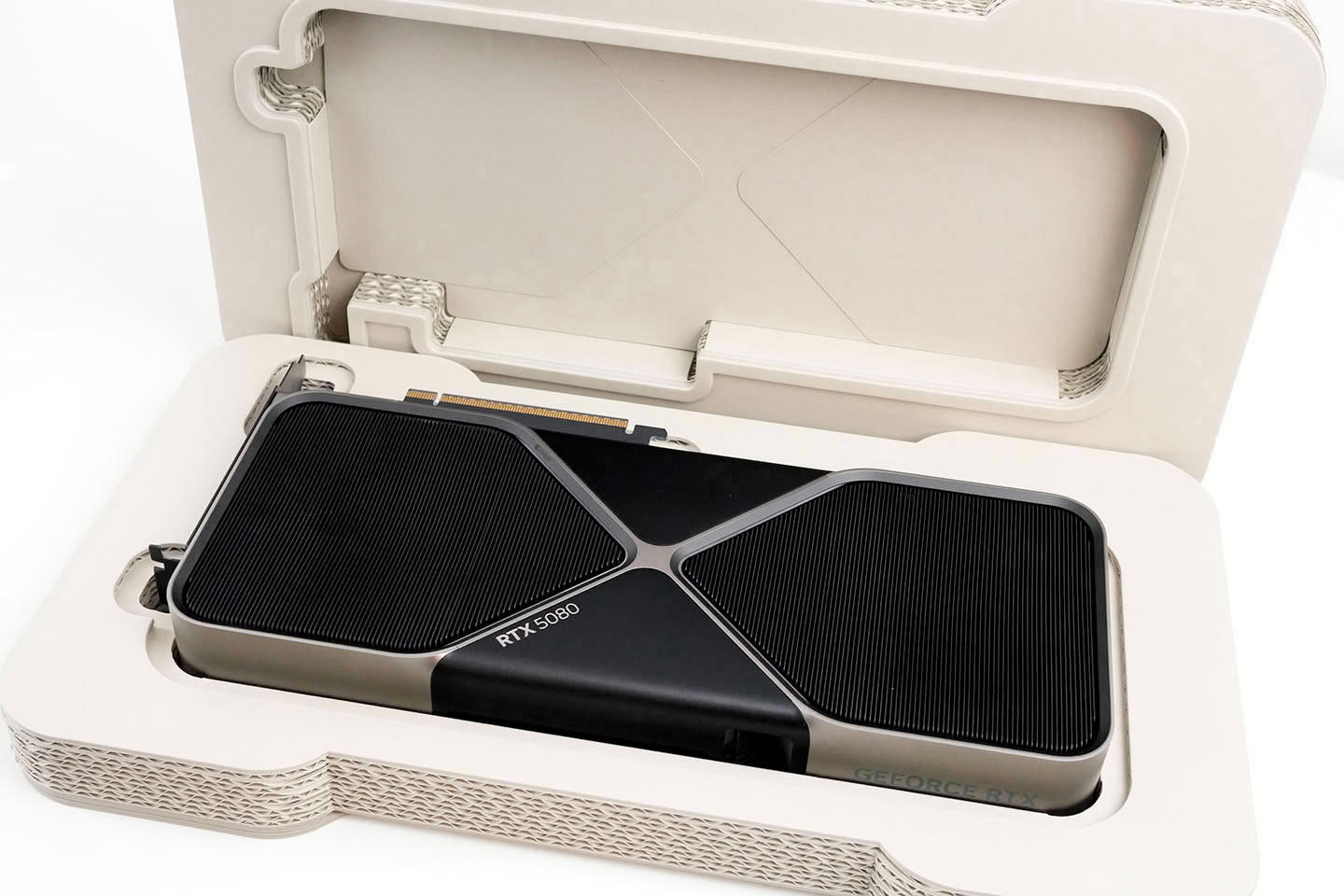
According to news circulated by Chinese hardware forum Board Channels, Nvidia has informed its graphics card partners that it will no longer launch the RTX 5080 24GB in January 2027 as originally planned. It has been previously reported in the market that this graphics card will be released in December 2026 and officially launched in January 2027, mainly for the Chinese market. Now, that schedule is said to have been put on hold, and there is no new release date for the time being.
The original design idea of the RTX 5080 24GB was to increase the video memory capacity without replacing the GPU core and video memory bus. The existing RTX 5080 is equipped with 16GB GDDR7 memory, which is composed of 8 2GB memory chips and uses a 256-bit memory bus. The new version plans to use eight 3GB video memory chips to increase the total capacity to 24GB, an increase of 50%.
This solution does not require changing the number of video memories or redesigning a wider video memory bus, so the hardware architecture is relatively straightforward. For application scenarios that require a large amount of video memory, such as running large artificial intelligence models locally, processing high-resolution materials, and games using high-precision textures, 24GB of video memory can also provide larger capacity space. However, the increase in video memory capacity does not mean that the GPU computing performance will increase simultaneously. The actual game frame rate still mainly depends on the GPU core performance, video memory bandwidth and specific application load.
The problem lies in the purchase cost of 3GB GDDR7 video memory chips. According to news leaked by Board Channels, the price of this new graphics memory chip is about three times that of the 2GB version. Since a graphics card requires 8 video memory chips, using 3GB chips not only means a 50% increase in the total video memory capacity, but will also bring about a significant increase in material costs. For Nvidia, if the final selling price must be significantly increased, the market competitiveness of the 24GB version may be affected.
Therefore, Nvidia reportedly decided to continue purchasing relatively low-priced 2GB GDDR7 memory chips and maintain the supply of the RTX 5080 16GB version. It has been reported in the market that Nvidia has cleared the existing 16GB version of GPU inventory and is preparing to let the 24GB model take over its position. The latest news means that this product adjustment plan may be reversed.
This may also affect the originally rumored RTX 50 SUPER series update. Previously, it was reported that the RTX 5080 SUPER may use 24GB of video memory, and the high cost of the new generation 3GB GDDR7 chip is also considered to be one of the reasons for the obstacles in the advancement of the SUPER series. If the graphics memory supply and price issues remain unresolved, the original mid-term product update plan may continue to be postponed.
It is worth noting that the above news comes from the supply chain and hardware community. Nvidia has never officially announced the RTX 5080 24GB, nor has it publicly announced its cancellation, so it cannot be considered an officially confirmed decision just yet. What can be determined at this stage is that there is still great uncertainty in the launch plan of the RTX 5080 24GB. Whether the 16GB version will continue to be available in the long term remains to be confirmed by subsequent news.
For consumers, this change means that the unreleased 24GB version should not be considered a definite purchase option in the short term. Especially users who plan to purchase a graphics card for local AI inference or other memory-intensive tasks need to distinguish between graphics memory capacity and GPU computing performance: 24GB of graphics memory can indeed accommodate larger models or data sets, but it does not automatically allow the RTX 5080 to achieve higher computing speeds.
Comments