
Abstract:
The Democratic Republic of the Congo (DRC) is experiencing the most serious Ebola epidemic in the country’s history. As of November 11, 2026, the latest data released by the health department of the Democratic Republic of the Congo show that the cumulative number of infections has reached 11,042, of which 5,387 have died. The death toll is close to half of the total number of infections. Since the outbreak was officially announced in mid-May this year, the epidemic has continued to spread rapidly and has affected 8 of the 26 provinces in the country.
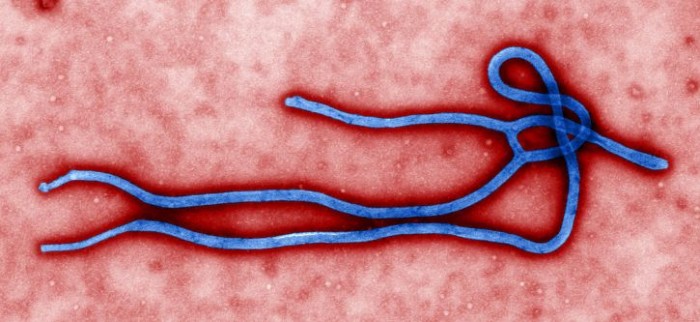
The epidemic is caused by Bundibugyo virus. This is a relatively rare type of Ebola virus and is different from the Zaire Ebola virus that has appeared in many large outbreaks in the past. Currently, there is no approved dedicated vaccine or specific therapeutic drug for Bundibugyo virus, which brings great difficulties to epidemic prevention and control.
The epidemic is mainly concentrated in Ituri and North Kivu provinces in eastern Congo. Ituri Province is still the most severely affected area, with cumulative cases accounting for nearly 70% of the country's total. At the same time, North Kivu Province has become an important area of new transmission. Due to frequent population movements and insufficient local medical resources, the virus continues to break through the original prevention and control limits.
The Congolese government and international health organizations have encountered multiple obstacles in controlling the epidemic. The long-standing local armed conflict, poor road infrastructure and huge pressure on the medical system have made it difficult for medical staff to enter some severely affected areas. In particular, the recent intensification of armed conflicts in Ituri and North Kivu provinces has further restricted the ability of medical teams to contact patients, conduct testing and trace close contacts.
In addition to the security situation, community suspicion and distrust of the epidemic have also become important obstacles to epidemic prevention work. Some residents were affected by misinformation and did not believe in the existence of the Ebola virus, and even believed that medical institutions and epidemic prevention personnel had other agendas. Some medical facilities and medical staff have been attacked by community residents, and there have been many violent incidents against medical staff. This not only threatens the safety of frontline workers, but also makes it more difficult for patients to receive timely diagnosis and treatment.
The epidemic has also had an impact on the local education system. A teacher in Ituri Province has been infected with the virus, some school staff and students have been affected by the epidemic, and normal school operations have been disrupted. For areas with large population mobility and limited medical conditions, epidemic monitoring in schools and other public places also faces challenges.
What is even more worrying is that the epidemic is no longer limited to the Democratic Republic of the Congo. Cases have also been reported in African countries such as Uganda, Kenya and Nigeria. Cross-border transmission has previously occurred in Uganda and Kenya, and imported cases have also been confirmed in Nigeria. Transnational population movements make case tracking and border monitoring more complex, and epidemic prevention efforts require coordination among multiple countries.
The World Health Organization and public health agencies in various countries are strengthening case surveillance, contact tracing, medical supply supply, and community publicity. Due to the lack of approved dedicated vaccines and treatments for Bundibugyo virus, timely detection of infected persons, isolation of patients, protection of medical staff and reduction of community transmission have become the main means of controlling the epidemic. Researchers are also advancing work on vaccine candidates and treatment options.
Judging from historical data, the most serious Ebola epidemic occurred in West Africa from 2014 to 2016, with a total of about 28,000 infections and more than 11,000 deaths. However, the current epidemic development speed in the Democratic Republic of the Congo is even more alarming. In the first few months after the outbreak, the number of cases and deaths increased at least three times that of the West African epidemic during the same period.
So far, this epidemic has become the second largest Ebola epidemic on record, second only to the West African epidemic from 2014 to 2016. For the Democratic Republic of the Congo, it is not only the most serious Ebola outbreak in the country's history, but also exposed the serious impact of long-term armed conflict, weak medical systems and lack of community trust on public health emergency capabilities.
The most urgent request of epidemic prevention personnel at present is to stop fighting in conflict areas and provide safe passage for medical teams to enter affected communities for treatment, testing and epidemic investigation. If the local security environment cannot be improved, even if the international community invests more medical resources, it will be difficult to effectively block the spread of the virus.
Comments