
Abstract:
A study published in the New England Journal of Medicine finds that a previously unidentified tick-borne virus may cause disease in humans. Researchers discovered this new pathogen in the blood of patients with a history of tick bites and named it Asian Haemaphysalis longicornis narovirus (ALTNV). Preliminary research shows that the virus can cause symptoms such as fever, fatigue and gastrointestinal discomfort, and some patients have developed more serious health problems.
The study was conducted by researchers at the State Key Laboratory of Pathogen Microorganisms and Biosafety in Beijing, China. When the research team screened 3,163 patients with fever and other symptoms and a history of tick bites, they found that although some of the patients showed symptoms similar to fever with thrombocytopenia syndrome, the test results were not infected with known related viruses. This led the researchers to investigate further and eventually discovered another previously unidentified pathogen.
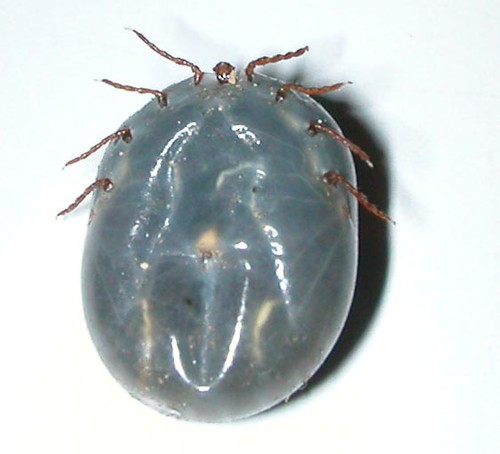
Researchers found that the new virus belongs to the genus Orthonairovirus, the same virus genus as fever syndrome with thrombocytopenia virus (SFTSV). It is mainly transmitted by the Asian Haemaphysalis longicornis tick, which is found in many areas of China. The researchers pointed out that ALTNV and SFTSV may be prevalent in the same areas and transmitted by the same tick. Therefore, doctors need to consider the possibility of infection by two viruses when fever symptoms occur in related areas.
The research team paid special attention to the co-infection of the two viruses. In the study, a total of 38 patients were infected with both ALTNV and SFTSV. These patients developed significantly more severe respiratory problems and kidney damage, and seven of them eventually died. The researchers believe that this result suggests that co-infection of the two viruses may worsen the condition, but more research is still needed to determine the specific mechanism.
SFTSV is a known tick-borne virus that can cause fever with thrombocytopenia syndrome, which may be life-threatening in severe cases. The mortality rate of this disease can reach about 30% in some studies. Because it's a viral disease, antibiotics usually don't work, and patients rely primarily on their own immune systems to fight the infection. The researchers pointed out that in areas where SFTS is endemic, the emergence of new viruses increases the complexity of diagnosis and treatment, and also reminds people that more attention needs to be paid to the surveillance of tick-borne diseases.
Researchers stated that ALTNV is not a simple mutation of a known virus, but a new pathogen that has not been recognized before. Although its scope of transmission, infection rate and long-term health effects are still unclear, this discovery once again shows that zoonotic diseases are still an issue that requires continued public health attention. Arthropods such as ticks may carry a variety of pathogens, and the spread of these pathogens in different regions remains to be further studied.
The research team recommends that in areas with high tick activity, people should take appropriate protective measures, especially to avoid tick bites during outdoor activities. If you have symptoms such as fever, fatigue, or gastrointestinal discomfort, especially if you have been bitten by a tick before, you should seek medical treatment promptly and explain the relevant situation to the doctor for a more accurate diagnosis.
The researchers pointed out that there is currently no specific treatment for ALTNV and SFTSV, so early identification and timely medical treatment are particularly important. In the future, the research team will also continue to investigate the spread, pathogenesis and relationship of this new virus with other tick-borne pathogens to further assess its potential impact on public health.
Comments