
Abstract:
A study recently released by researchers at Australia's Flinders University shows that aerosols and bioaerosols generated when toilets are flushed may diffuse into the surrounding air and rise to the breathing level of adults. The researchers noted that these tiny particles could potentially serve as a pathway for people to inhale potentially disease-causing microorganisms, but the actual risk of infection has not yet been determined.
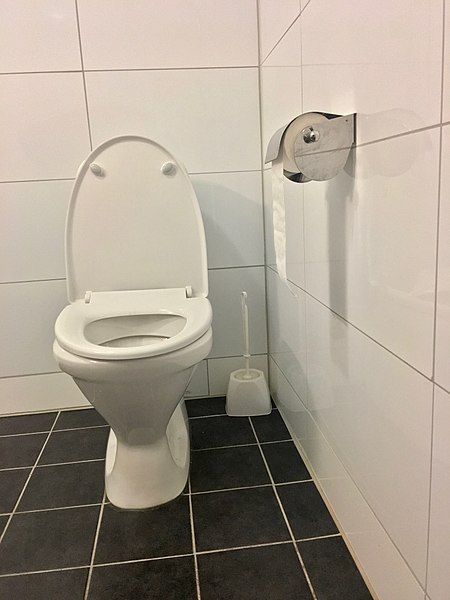
This study was published in the journal "Science of the Total Environment". It systematically sorted out 22 studies on toilet flush aerosols, focusing on analyzing the generation mechanism of aerosols and bioaerosols during the flushing process, as well as the factors that affect their quantity and diffusion range. Experiments included in the analysis included studies in which microorganisms or surrogate microorganisms were added to toilet water, as well as experiments conducted under normal conditions without the addition of additional microorganisms.
Research shows that aerosol concentrations measured in different experiments vary greatly, and the specific results are affected by various factors such as the experimental environment, toilet structure, flushing method, and air sampling method. Overall, the turbulence created by flushing can carry tiny droplets and particles from the water into the air, and the higher the microbial content in the toilet, the more bioaerosols are likely to be released. The researchers also found that larger flush volumes generally produced more aerosols.
These microorganisms may come from contaminants that enter the toilet bowl during use, or they may come from the water source used for flushing. Researchers specifically remind that some water sources, especially recycled water or rainwater, may contain opportunistic pathogenic microorganisms. For healthy people, these microorganisms usually do not cause serious effects, but people with weakened immune systems may be at higher risk, and in severe cases, they may even cause fatal infections.
The study pointed out that the aerosols detected in some experiments can reach the breathing height of adults and continue to be suspended in the air for at least a period of time, thus forming a potential inhalation exposure path. Bioaerosols may carry biological components such as bacteria and viruses, theoretically including pathogens such as Legionella, influenza virus and norovirus. However, the research team emphasized that the discovery that these microorganisms can spread in aerosols does not mean that they have proven that they can directly cause disease transmission through toilet flushing.
The study also looked at the effects of toilet seat opening and closing, bathroom ventilation and flush intensity. Existing studies have not yet reached consistent conclusions on whether ventilation conditions and toilet seats can significantly reduce aerosol diffusion. Closing the toilet lid may reduce the chance of some aerosols being ejected directly upwards, but it does not completely prevent tiny particles from escaping through gaps around the lid or other pathways. Therefore, the researchers still recommend keeping the toilet seat closed before and after flushing when possible, while recognizing that this measure does not completely eliminate exposure.
Lila Adiani, the first author of the paper and a doctoral student at Flinders University, said that toilet flushing will create significant air turbulence, allowing aerosols to enter the surrounding environment. Several studies have detected these particles at respiratory altitudes in adults, suggesting that they may constitute a potential conduit for inhalation exposure. She notes that the more microorganisms present in a toilet, the more bioaerosols may be released when flushing, so reducing flush volume and turbulence during flushing may help reduce aerosol production.
Study co-author Harriet Wylie, a professor of environmental health, said ordinary people generally don't have to worry too much about using their own toilets, especially if family members are in good health. But for hospitals, nursing homes, and other places where immunocompromised people exist, toilet design and sanitation facility management are even more important. The research team is now looking at reducing the exposure of the most vulnerable to potential pathogens through improved toilet and building design.
Researchers believe that future toilet designs should minimize water consumption and turbulence caused by flushing while ensuring effective flushing. Related research may also have implications for building ventilation, infection control, and planning of public health facilities. As pressure on water security increases and emerging infectious diseases and opportunistic pathogens receive more attention, the issue of indoor aerosols generated by toilet flushing may require more research and attention than in the past.
At the same time, researchers remind that toilet hygiene risks do not only come from aerosols generated by flushing. Door handles, floors, faucets, hand dryers and other high-touch surfaces in public toilets may be contaminated by microorganisms. When people use mobile phones in the toilet, they may also bring fecal-derived microorganisms to their mobile phones and hands. Therefore, reducing unnecessary contact, proper hand washing, regular cleaning and disinfection, and improving toilet ventilation when conditions permit, remain important measures to reduce the risk of microbial transmission.
Comments