
Abstract:
Google's Debug project hopes to reduce the population of mosquitoes that spread the disease by releasing male mosquitoes carrying Wolbachia. The project's approach is not to use insecticides to eliminate mosquitoes, but to use a bacteria commonly found in insects to interfere with reproduction: Wolbachia is introduced into mosquito eggs in the laboratory, and the males and females are separated after batch cultivation, and only male mosquitoes are released into the wild. After male mosquitoes mate with wild female mosquitoes that do not carry the bacteria, the eggs laid by the female mosquitoes cannot hatch, and the target mosquito species will decrease from generation to generation.
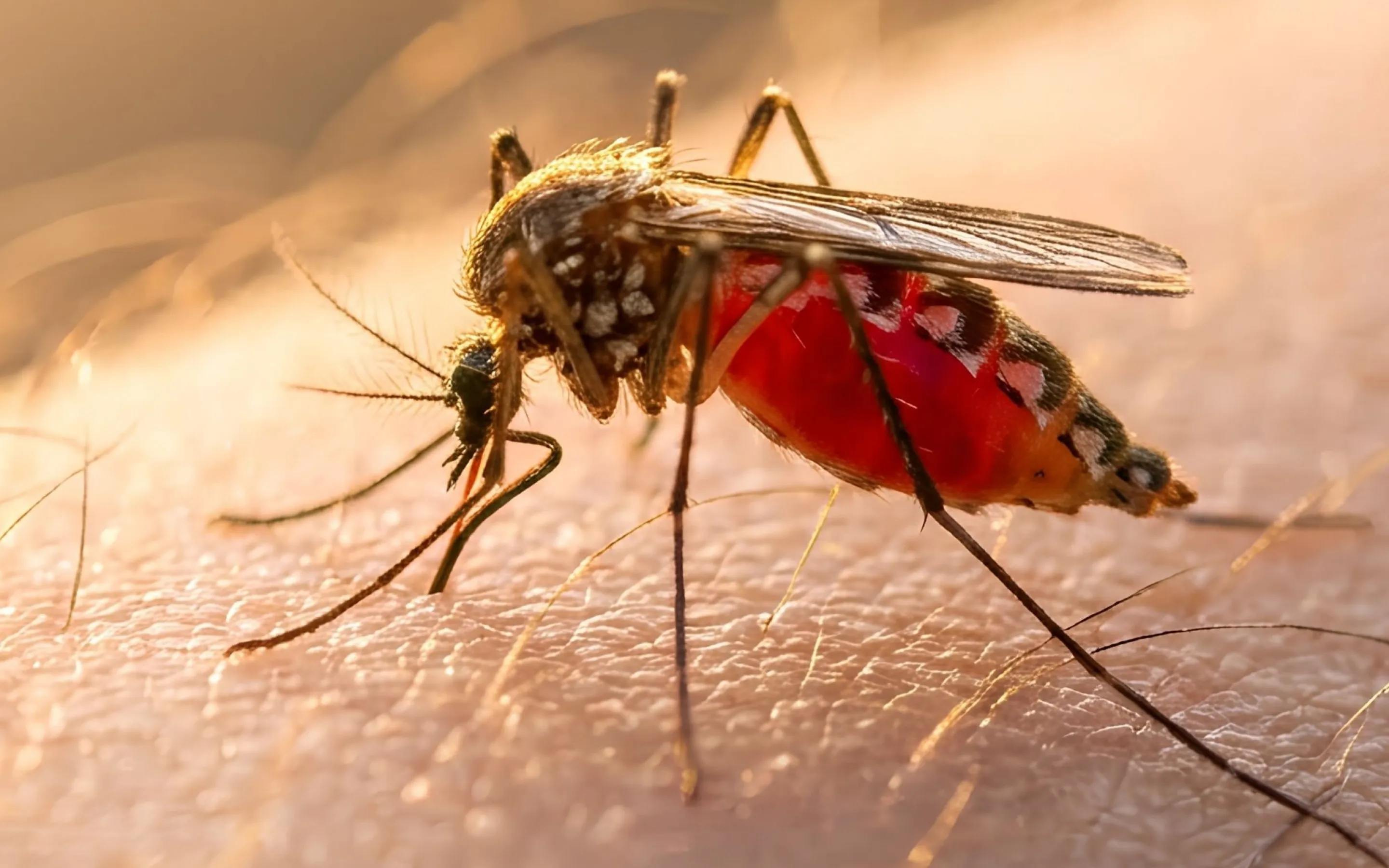
Debug focuses on the Aedes aegypti mosquito, which can transmit dengue fever, Zika, chikungunya and yellow fever. Only female mosquitoes bite people and transmit viruses, while male mosquitoes feed on nectar, so releasing male mosquitoes will not increase the risk of people being bitten or infected. Google said that the project uses data analysis, sensors and automated breeding equipment to expand production, and uses computer vision to accurately distinguish between male and female mosquitoes to prevent female mosquitoes from being mixed into the release batch. The company also believes that this method has the potential to be a complementary vector control method compared to continuous spraying of insecticides or clearing out the difficult-to-exhaust water breeding sites.
This method belongs to the strategy of "releasing male mosquitoes to suppress the population" and is different from another Wolbachia application method. The latter will release male and female mosquitoes, allowing bacteria to be passed to offspring as they reproduce, and reduce the ability of Aedes aegypti mosquitoes to spread the virus. The goal is to establish a stable bacteria-carrying population rather than reducing the number of mosquitoes. The suppression strategy adopted by Debug will not allow Wolbachia to stably establish in the wild; after the release is stopped, the target mosquito population will gradually recover, so long-term and continuous release is required, which poses cost and logistical challenges.
A multi-site field study released by Singapore's National Environment Agency shows that after the release of male Aedes aegypti mosquitoes carrying Wolbachia from 2022 to 2024, the number of major local dengue vectors has dropped significantly, and the risk of residents contracting dengue fever has been reduced by more than 70%. Debug also cited data from the Singapore project, saying that the mosquito population was reduced by about 80% to 90%, and dengue fever cases were reduced by more than 70% after 6 to 12 months of continuous release. These data come from specific regions and projects and cannot be viewed directly as fixed effects replicable in other cities.
The U.S. trial remains subject to regulatory clearance. The report mentioned that Debug had applied to the US Environmental Protection Agency to conduct release tests in California and Florida; however, after checking the Federal Register, it was found that the test subjects listed in the relevant published applications were not the same as the Aedes aegypti mosquito mentioned in the report: one application targeted Culex quinquefasciatus male mosquitoes carrying the wAlbB strain, and planned to release up to 16 million mosquitoes per year in California and Florida for two years; the other targeted Aedes albopictus carrying the wPip strain. albopictus) male mosquito, applied for a three-year trial in New Jersey and a two-year trial in California and Florida. The maximum release amount is 16 million per state per year. The public document is a permit application and solicitation notice, which does not mean that the EPA has approved the flight; whether it is approved and the specific conditions must be reviewed and determined by the EPA.
Wolbachia occurs naturally in a variety of insects. The U.S. Centers for Disease Control and Prevention said the bacterium does not make people or animals sick, and the mosquitoes involved are not genetically modified mosquitoes. Its regulatory information points out that releasing bacteria-carrying mosquitoes requires an EPA permit and complies with the requirements of state and local authorities. Since the male mosquito release method only targets the target mosquito species, it cannot replace comprehensive mosquito management for other mosquito species.
With climate warming, the suitable range of Aedes aegypti may also expand to new areas, increasing the pressure on the prevention and control of vector-borne diseases such as dengue fever. Debug began to explore large-scale breeding and release of mosquitoes using technology in the 2010s; Google expanded local R&D facilities after piloting it in Singapore, hoping to expand the production and release process to more regions.
Comments