
Abstract:
Scientific researchers recently discovered an extremely rare new species of micro-fish in the northern Red Sea, named Trimma charon. So far, only two specimens of this species have been collected in one scientific expedition. Since then, they have not been seen again despite extensive searches. Scientists speculate that they mainly inhabit deep mesophotic zone coral reefs where humans rarely set foot.
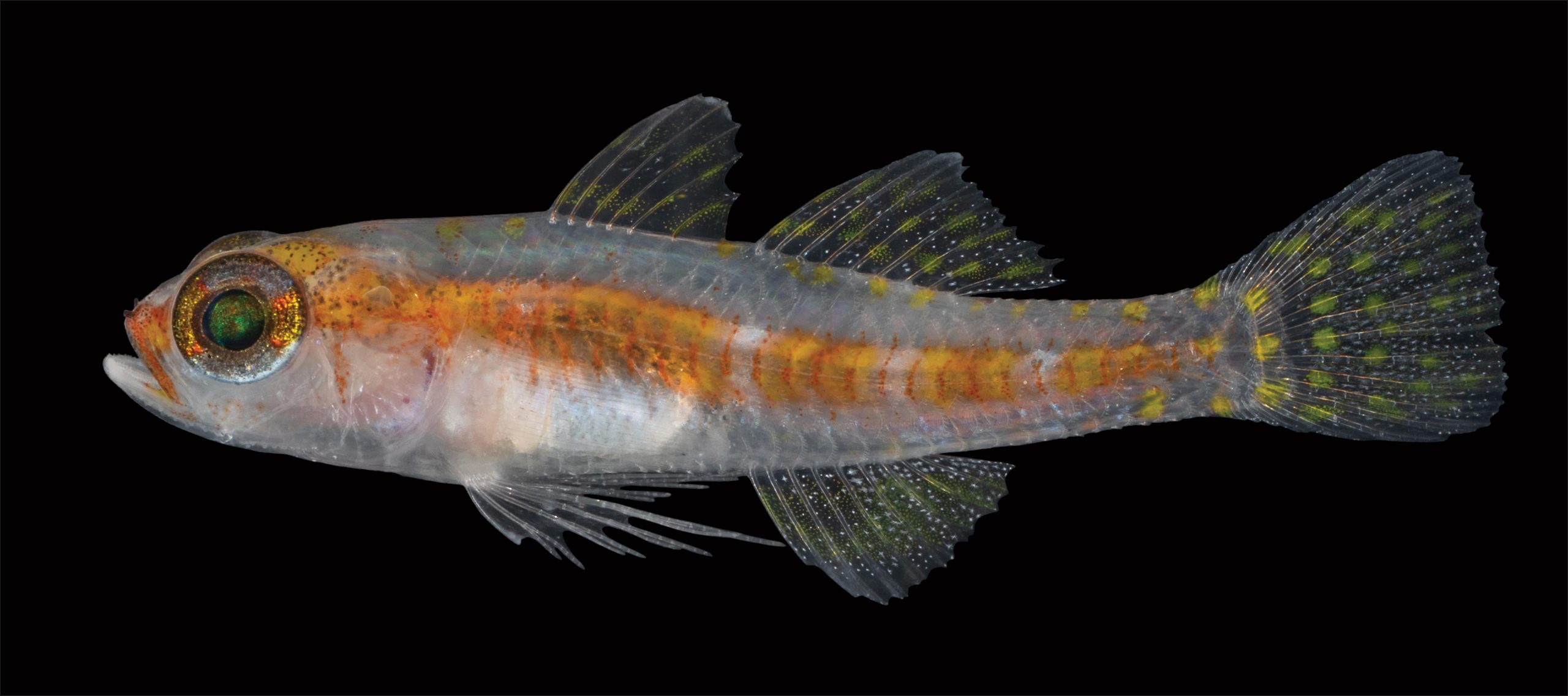
The name of the Charon microgoby is inspired by the boatman "Charon" in ancient Greek mythology who ferries the dead on the River Styx. In ancient Greek tradition, the dead were buried with coins in their mouths as a fee for crossing the river. Viktor Nunes Peinemann, research leader of the Marine Science Project at King Abdullah University of Science and Technology in Saudi Arabia, said that the most striking feature of this fish species is that the tail fin is covered with golden spots, resembling scattered small gold coins. This fish is extremely tiny. The two known tail specimens are only 12 mm and 17 mm in length respectively. The whole body is translucent, with a wide orange-red stripe on the side of the body and uniquely structured quartered eyes.
Genetic analysis shows that Charon's microgoby is very closely related to the pale microgoby (Trimma anaima), which is distributed from East Africa to the Pacific Ocean, but the latter has never appeared in the Red Sea. Penneman pointed out that these two close relatives may have diverged millions of years ago, with one branch spreading widely to the Indian and Pacific Oceans, while the other stayed in the Red Sea and evolved independently to this day.
The scientific research team collected these two samples at the entrance of a cave on a steep reef slope on Walih Island in the Red Sea in May 2023. At that time, the water depth reached 30 meters, which had reached the maximum depth limit for scientific diving. Since then, researchers have conducted extensive searches in similar surrounding habitats, but have failed to find the fish species again. The team believes that 30 meters deep may be just the shallowest edge of the species' range, and they are more likely to be widely distributed in mesophotic zone coral reefs below 30 meters deep, with weak light and little exploration. This dark and unknown deep sea area is like the "underworld" under the shallow coral reefs, which exactly echoes its mythical name.
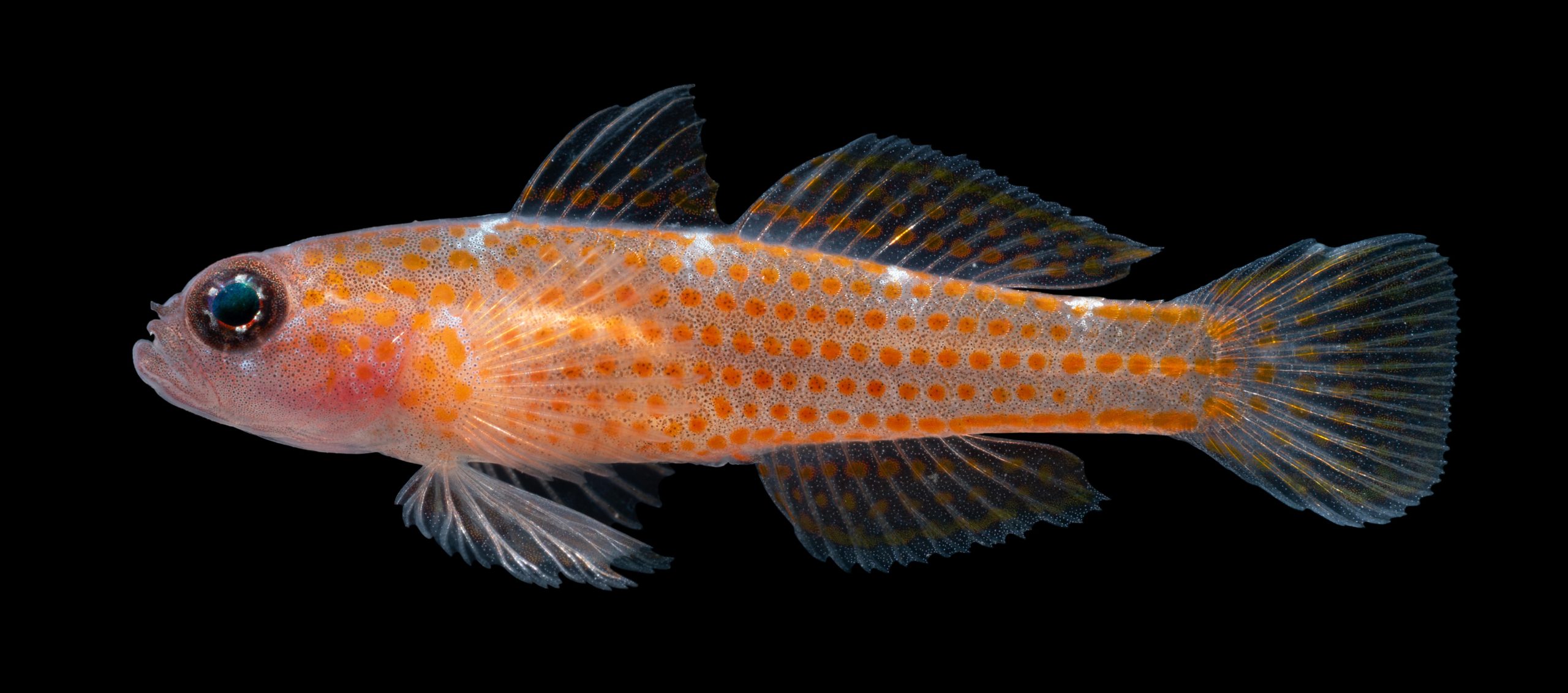
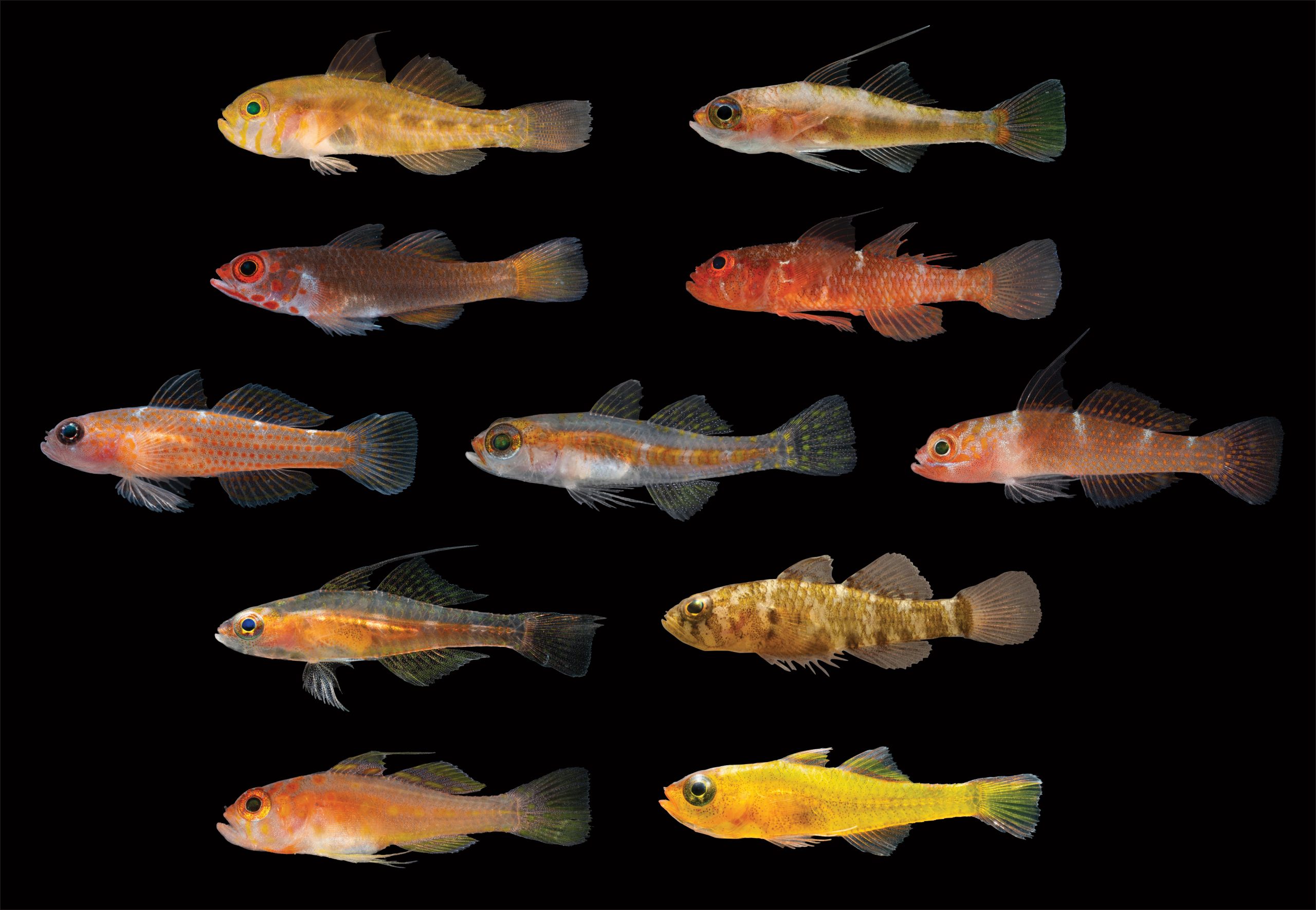
The research results have been published in the open-access academic journal "ZooKeys" and were completed by researchers from the King Abdullah University of Science and Technology in collaboration with the Senckenberg Institute in Germany and the Natural History Museum in Frankfurt. With the confirmation of Charon's Microgoby, the number of known Microgoby species in the Red Sea has increased to 11, making it the most species-rich genus in the sea, and at least 9 of them are endemic to the Red Sea. In order to facilitate subsequent scientific research and identification, the paper also comes with graphic retrieval tables and habitat records of all 11 species of Red Sea microgobies. Penneman said that there must be more unknown fish hidden in deep-water coral reefs below 30 meters in the Red Sea. Understanding the distribution and characteristics of these species is the basis for a deep understanding of marine ecosystems.
Comments