
Abstract:
Japanese scientists have discovered a new species of stink bug that has not been officially recognized before in the Ogasawara Islands far away from the mainland. Researchers have discovered through genomic DNA analysis that insects that were thought to be the same species in the past actually belong to two different species. Even more interesting is that an alien tree introduced by humans may be driving new evolutionary differentiation in local insect populations.
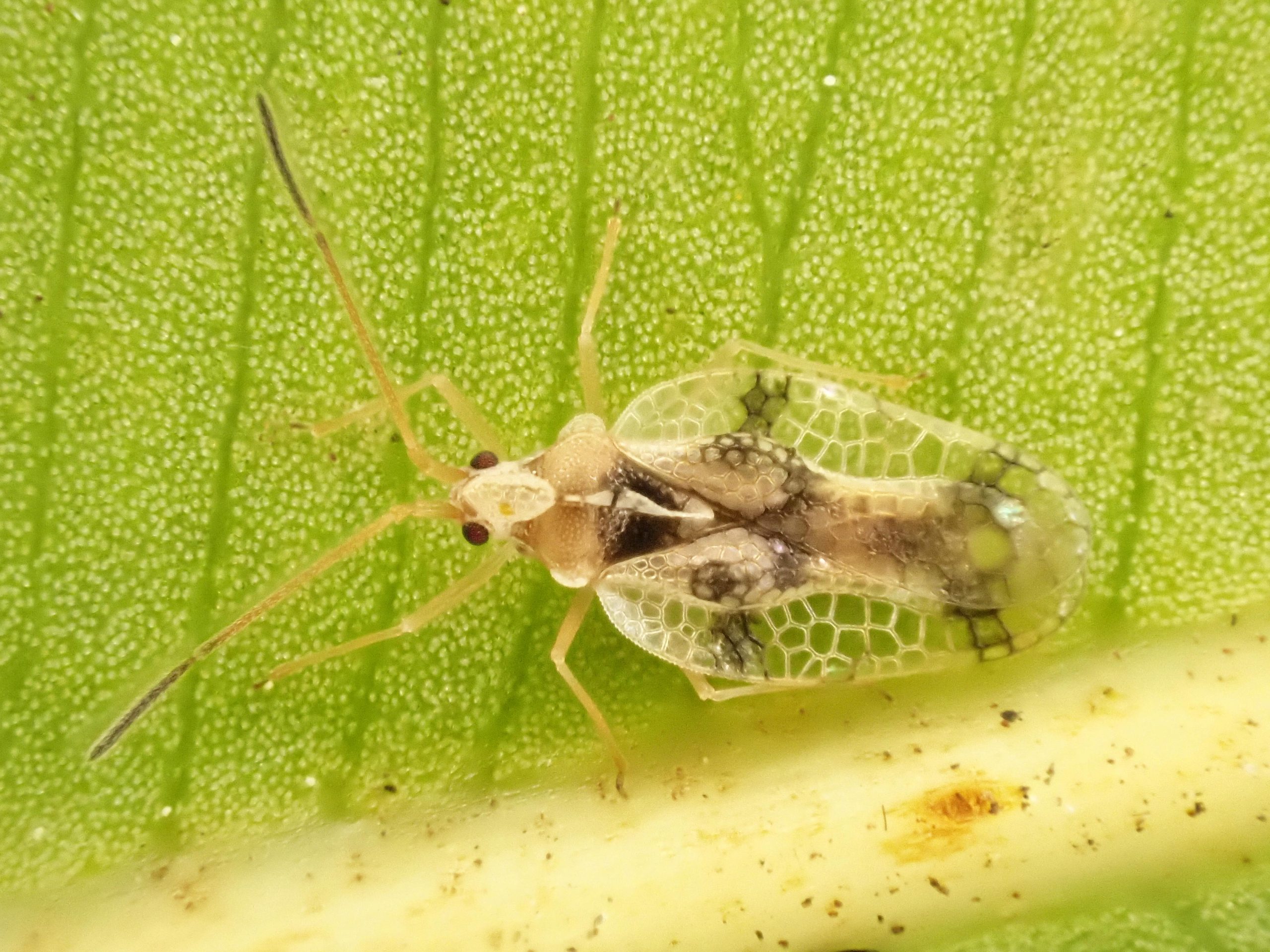
This research was jointly conducted by Jun Souma of the Shirakami Environmental Science Research Center of Hirosaki University in Japan and Naoyuki Nakahama of Osaka Public University. The research results were published in the open access journal "ZooKeys" on October 8, 2026.
The Ogasawara Islands are located about 900 to 1,000 kilometers south of Tokyo and are a World Natural Heritage recognized by UNESCO. Due to its long isolation from mainland Japan and other continents, this archipelago is home to a large number of unique plant and animal species. Not only does the area have many endemic plants and terrestrial snails, but there are also about 440 species of endemic insects known so far. However, there are still many questions about how these insects evolve and how they adapt to different island environments that have not been fully studied.
The focus of this study is a local insect of the genus Omoplax. Reticulata are small hemipteran insects that usually have a fine mesh-like texture on their body and wing surfaces, hence their name.
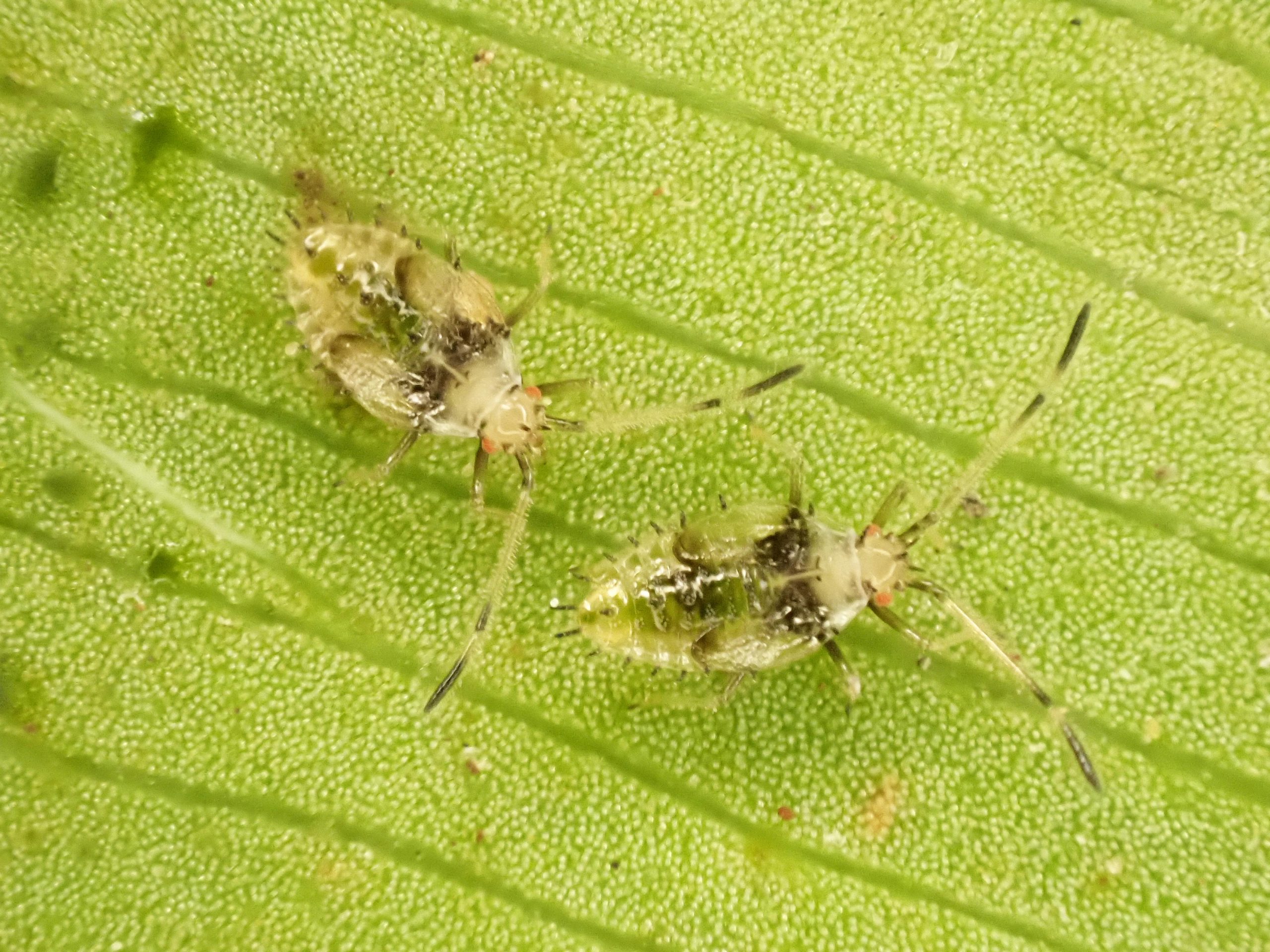
Previously, some stink bugs living in the Chichijima Islands and Hajima Islands have been classified as the same species, Omoplax desecta. However, the researchers noticed some differences in the insects' food sources and external coloration, with the Mother Islands population in particular appearing to have more specific host plant preferences.
To find out whether these differences mean they belong to different species, the research team collected and analyzed 52 insect samples, using a genome analysis technology called MIG-seq to extract genetic markers from the genome range and further reconstruct the evolutionary relationships between different populations.
The results show that insects from the Chichijima Islands and Hajima Islands are genetically distinct and are not the same species as previously thought.
The researchers then conducted a more detailed observation of the insect's body structure and found that not only were the two different in genetic information, but there were also stable differences in the subtle structure of the male reproductive organs. This morphological evidence further supports species delineation.
In the end, the research team officially described the Hajima Islands population as a new species, naming it Omoplax sandoru. Its name comes from the name of a local host plant, reflecting the close ecological connection between this insect and local flora.
The study also found that the food source of these stink bugs may directly affect their future evolutionary direction.
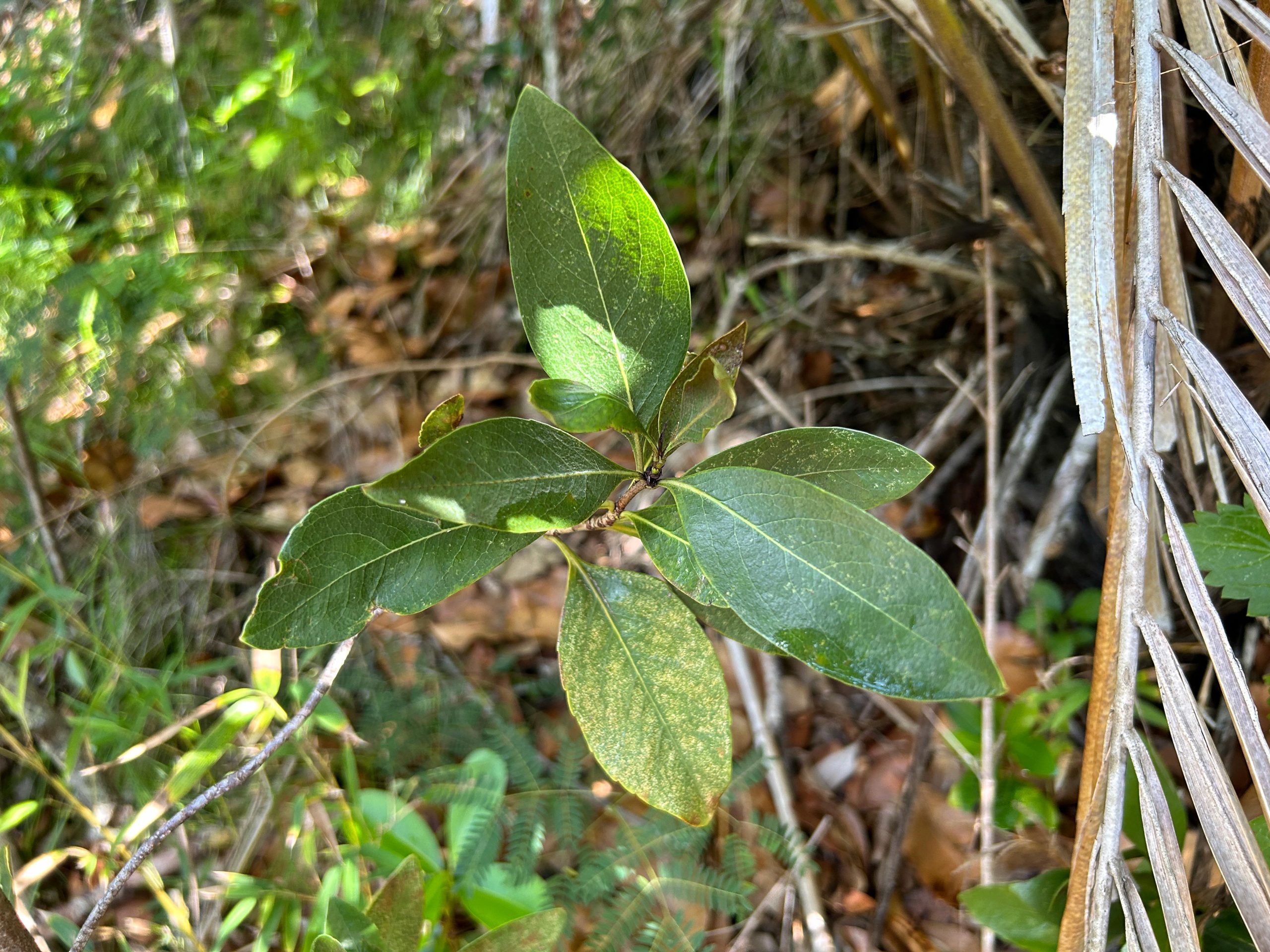
Omoplax desecta in Chichijima Islands can feed on two types of plants, one is the local native plant Rhaphiolepis indica var. tashiroi, and the other is Calophyllum inophyllum introduced by humans. The latter is commonly known as Hai Meng Guo or Qiong Ya Begonia in Chinese and is a common plant in tropical areas.
This situation is special for stink bugs, because many stink bugs have strong host specificity and usually only feed on specific plants. Researchers found that Omoplax desecta in Chichijima Islands had a host switch in history, that is, some populations began to use Calophyllum inophyllum introduced by humans as food.
Genetic analysis shows that this shift in food sources occurred relatively recently, and current evidence supports that it occurred only once.
Researchers have raised an interesting possibility: The introduction of alien plants by humans may be creating conditions for the formation of new species. If different populations rely on different plants for a long time, they may gradually develop different ecological adaptations and eventually become further differentiated genetically and reproductively.
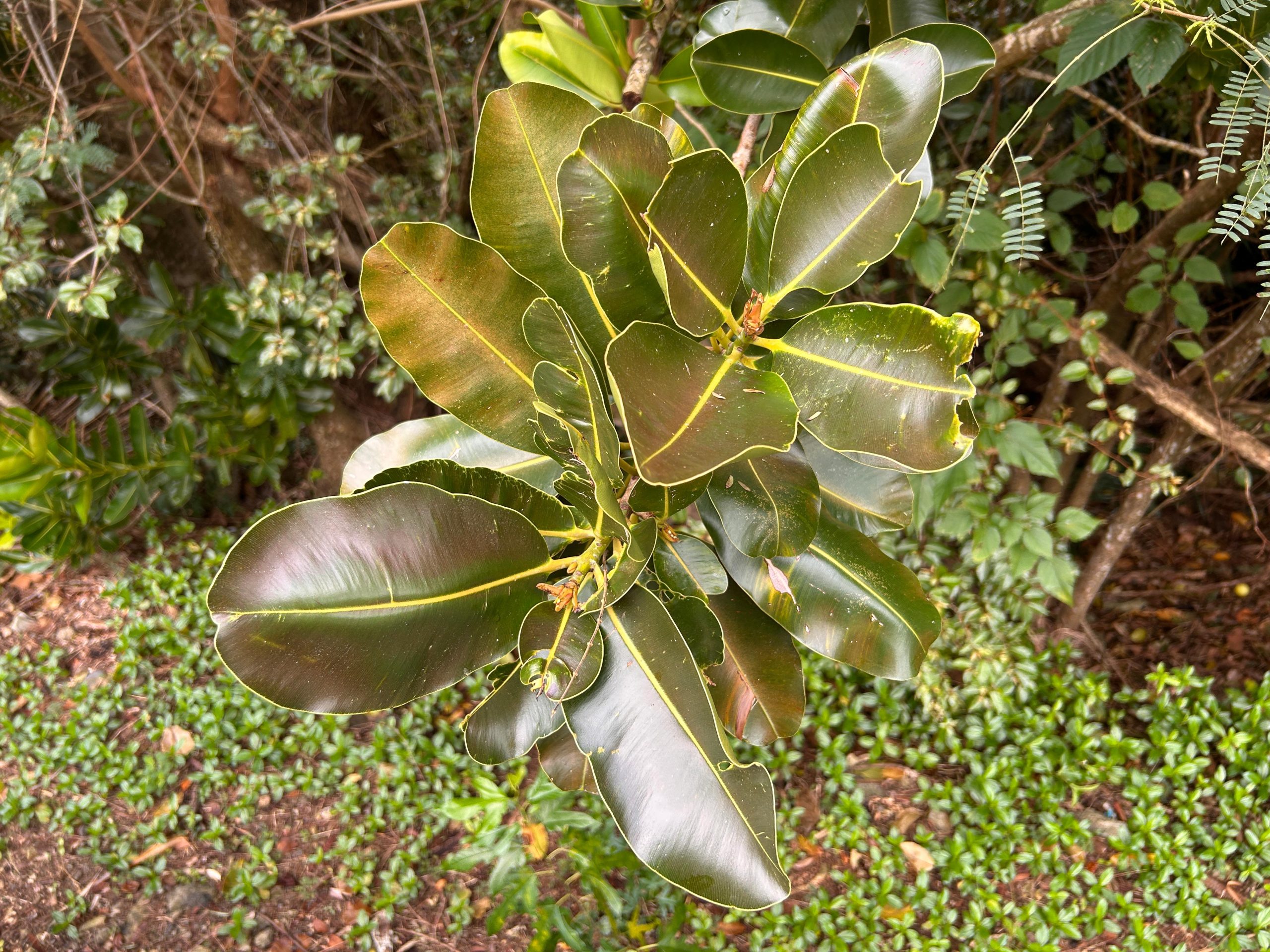
However, the research team emphasized that this is only an evolutionary process that may occur in the future, and it cannot yet be concluded that this host switch has led to the formation of a new species.
Another surprising discovery came from the analysis of the genetic relationships between insects. Researchers have discovered that some stink bugs that look very similar and even feed on the same plant are not necessarily each other's closest evolutionary relatives.
This shows that relying solely on the external morphology and food sources of insects to judge the genetic relationship between species may lead to misjudgments. Insects living on oceanic islands may have undergone a more complex adaptive radiation process than traditional morphological classification suggests.
The so-called adaptive radiation refers to the gradual differentiation of the same ancestral population in different ecological environments, eventually forming multiple species adapted to different ecological niches. For oceanic islands far from the mainland, both geographical isolation and changes in host plants may be important factors driving this process.
The researchers also pointed out that there are still some gaps in the current evolutionary tree. Due to the lack of available DNA samples from two extremely rare species of stink bugs, the research team is currently unable to completely reconstruct the entire evolutionary relationships of this genus of insects. Future samples will need to be collected from more islands to further determine how these insects first arrived in the Ogasawara Islands and how they gradually differentiated between different islands.
The significance of this study is not only the discovery of a new insect species, but also the complexity of speciation mechanisms in island ecosystems. What is particularly noteworthy is that plants introduced by humans may not only change the local vegetation structure, but may also indirectly affect the future evolutionary direction of insects by changing their food sources.
From this perspective, the evolutionary history of insects in the Ogasawara Islands also provides a unique case for studying how human activities change natural ecosystems.
Comments