
Abstract:
Scientists recently announced the identification of a new species of butterfly that has never been officially described before and named it Satyrium curiosolus. This butterfly has been living in the natural environment known to mankind for decades, but it has not been recognized for a long time because of its very similar appearance to related species, making it a typical case of "hidden species".
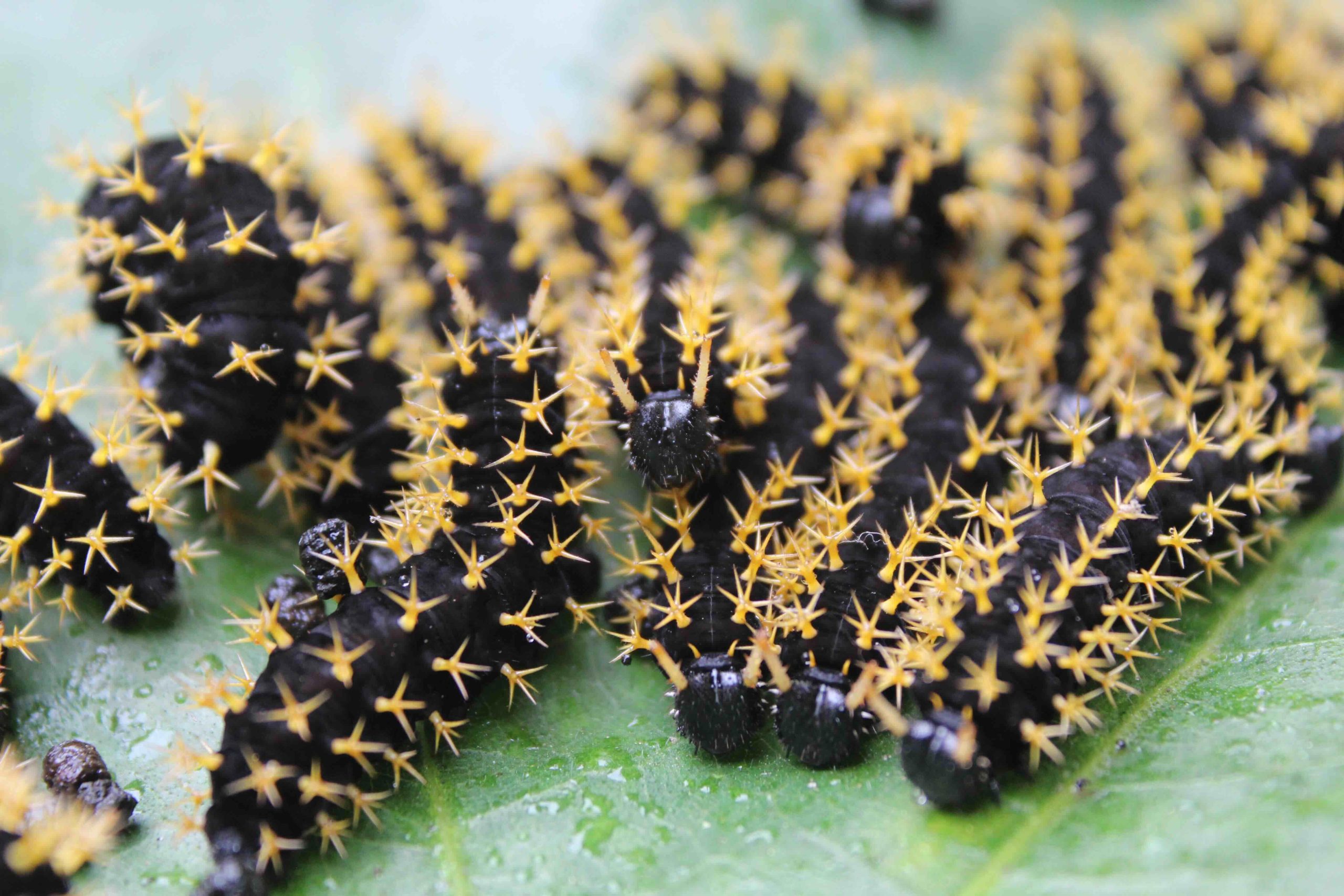
This study shows that even in areas that have been relatively well-surveyed, there may still be species that have not yet been discovered. By comprehensively analyzing the butterfly's appearance characteristics, genetic data, and geographical distribution information, the research team finally confirmed that this butterfly, which has long been classified as a known species group, actually belongs to an independent species.
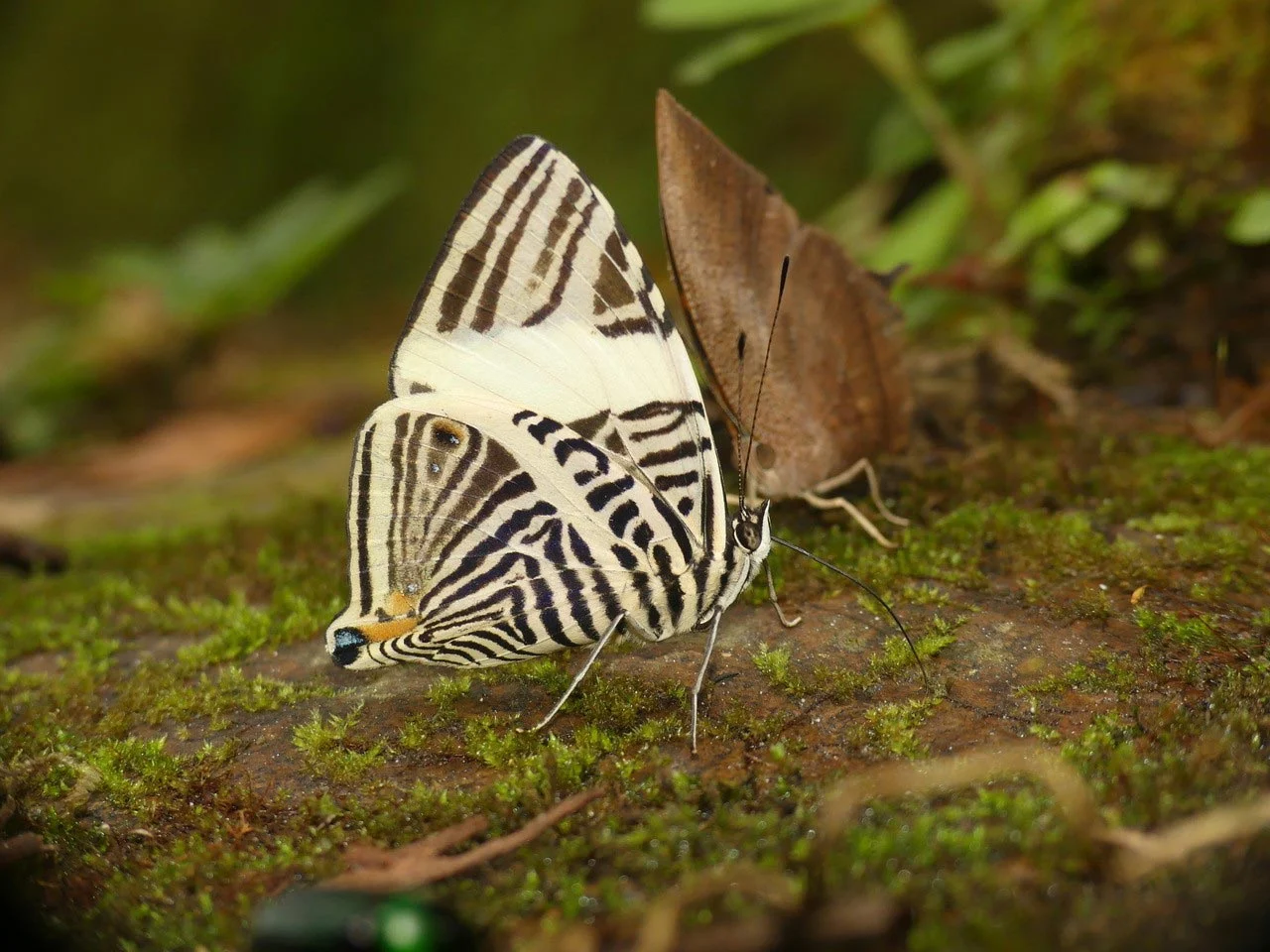
The researchers pointed out that the new species and its relatives are very similar in appearance, so they have long been difficult to distinguish. Whether it is wing color, texture or overall body shape, there is a high degree of overlap between the two, which made it easy for past taxonomic studies to regard them as the same species.
With the development of DNA sequencing technology, scientists have begun to re-examine some species groups whose traditional classification is questionable. After genetic analysis of related butterfly populations, the research team found that there are stable and obvious genetic differences between these butterflies, which are different enough to support their recognition as separate species.
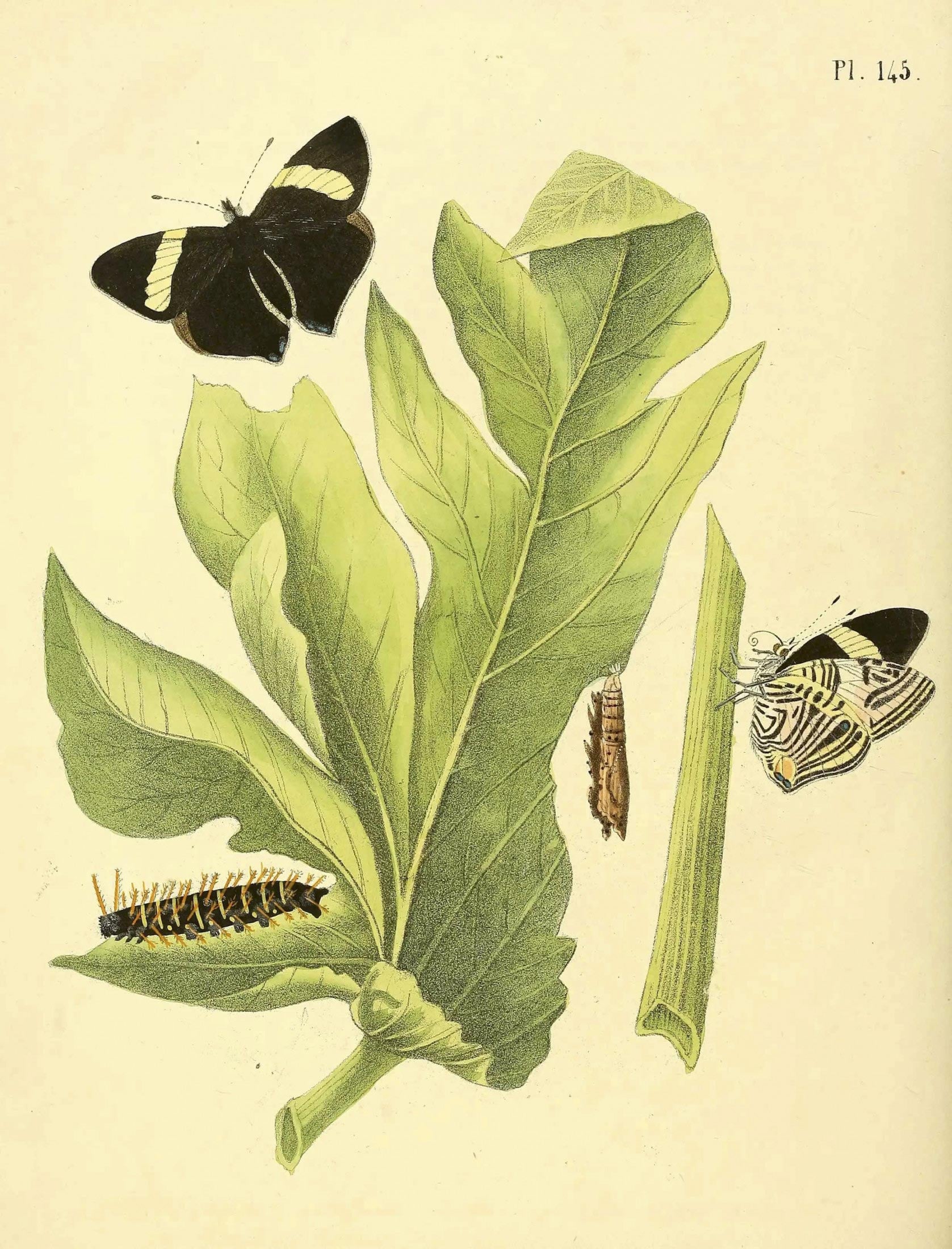
In addition to genetic evidence, researchers also found that the new species has important differences from related species in terms of ecological habits, activity areas and evolutionary history. The accumulation of multiple pieces of evidence finally prompted the research team to officially separate it from the original species and give it a new classification status.
Scientists say the discovery highlights the importance of modern taxonomy. Although methods that relied on appearance for species identification in the past still have value, more and more cases have shown that relying solely on naked eye observation may underestimate the true biodiversity of nature. Combining genetic tools, researchers were able to discover many "cryptospecies" hiding behind similar appearances.
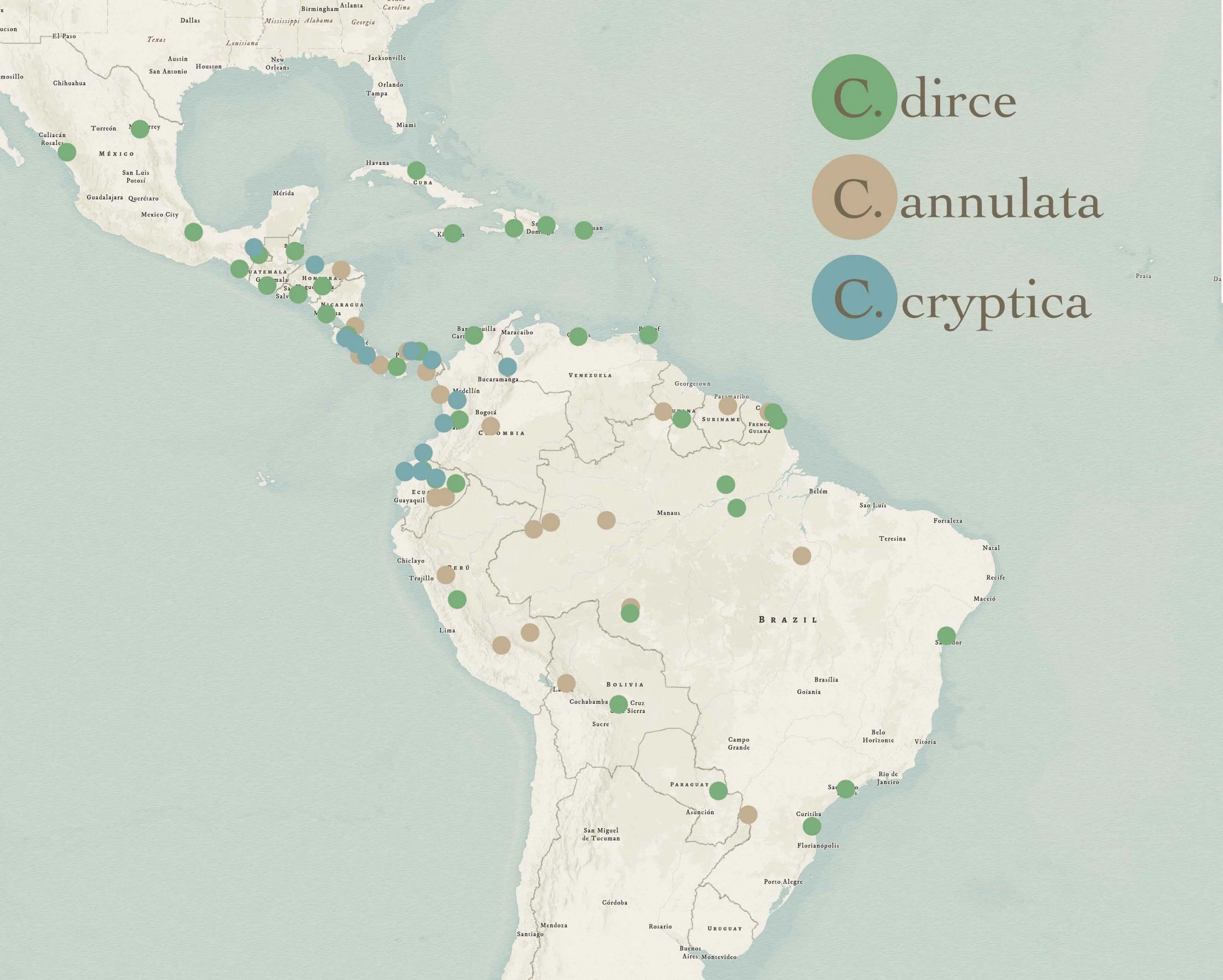
The research team believes that such discoveries are also of practical significance for biodiversity conservation. If multiple species that are actually different are treated as the same species for a long time, their true population size, distribution range, and threat level may be incorrectly assessed, thus affecting the formulation of conservation policies.
The confirmation of this new species also reminds the scientific community that there are still a large number of biological resources in nature that are not yet fully understood. Even among the most well-studied insect groups, there may still be many species that have existed in a "hidden identity" for many years, waiting for scientists to use more advanced methods to reveal their true appearance.
The researchers said that in the future, as the cost of gene sequencing continues to decrease and taxonomic research continues to deepen, similar cases of discovery of hidden species may continue to increase, thus further enriching humankind's understanding of the earth's biological diversity.
Comments