
Abstract:
A gene-edited banana that stays yellow for long periods of time after being cut is one step closer to British consumers. The developer, Tropic, an agricultural biotechnology company headquartered in Norwich, said that the taste and texture of this banana are the same as that of ordinary bananas. After peeling and slicing, it can still be "fresh, golden and appetizing". The flesh will not brown for one or two days longer than ordinary bananas, and will last longer after being refrigerated. The company believes that this technology can both reduce food waste and help use bananas in products such as pre-packaged fruit salads and breakfast cups.
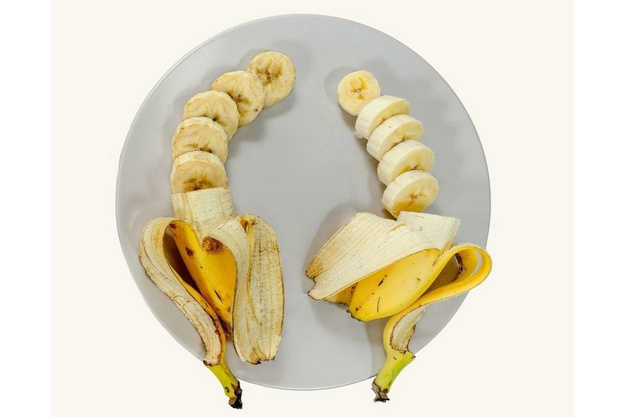
The UK Department of Environment, Food and Rural Affairs approved the precision breeding marketing notification for this banana last week, confirming that it is a "precision breeding organism". This is one of two important conditions required for a product to enter the market. The UK Food Standards Agency states that a product qualifies as precision breeding only if the relevant genetic changes would also be possible through conventional breeding. Unlike GMOs, precision-bred organisms do not contain DNA from unrelated species.
As a next step, the Food Standards Agency will also review the product for safety. Professor Cathy Martin, project leader at the John Innes Center in Norwich and who has participated in research on gene-edited tomatoes, said that all crops that have received marketing notifications, including this banana, need to undergo this safety review, but it is not yet clear how long the review will take. The current regulations on precision-bred plants in the UK came into effect in November last year and currently only apply to England; precision-bred foods approved for sale in England can be sold in Wales and Scotland, provided that the products are not further processed. There are similar regulations in Northern Ireland. As of the time of publication, no precision-bred organisms have been authorized for sale in England.
Tropic used CRISPR-Cas9 gene editing technology to change three copies of a certain gene in bananas, thereby reducing the production of polyphenol oxidase. This enzyme causes the pulp to brown. Similar methods have been used to reduce browning in other produce, including mushrooms.
Tropic said that bananas that do not brown easily can reduce food waste and carbon dioxide equivalent emissions in the supply chain by more than 25%; in the banana export market alone, this may reduce more than 9 million tons of carbon dioxide emissions each year. A previous study by the British government showed that about 1.4 million bananas that are still edible are discarded every day; about 30% of consumers said they had thrown away bananas because of minor bruises or black spots on the skin.
Gene editing is also being used by researchers to create sweeter strawberries, disease-resistant crops, and tomatoes that are more compact or rich in vitamin D. Tropic CEO Gilad Gershon said the company has received regulatory approval for the banana in 10 other countries, including Japan, Brazil and the Philippines, and the fruit is now grown in Latin America.
A spokesman for the UK Department for Environment, Food and Rural Affairs said that precision breeding has the potential to improve food security, reduce the use of pesticides, increase crop yields and enhance disease resistance; this non-browning banana shows how innovation can reduce food waste and improve the sustainability of the food system, while maintaining existing UK standards.
Comments