
Abstract:
A serious disease that is threatening the cocoa industry worldwide may be about to turn a corner. A research team from Pennsylvania State University in the United States announced that they have developed cocoa plants that are more resistant to "black pod disease" through a combination of gene editing and traditional breeding techniques. In laboratory tests, modifying just two DNA bases in the cocoa genome reduced the incidence of the disease by about 42%, bringing new hope for ensuring the global supply of chocolate in the future.
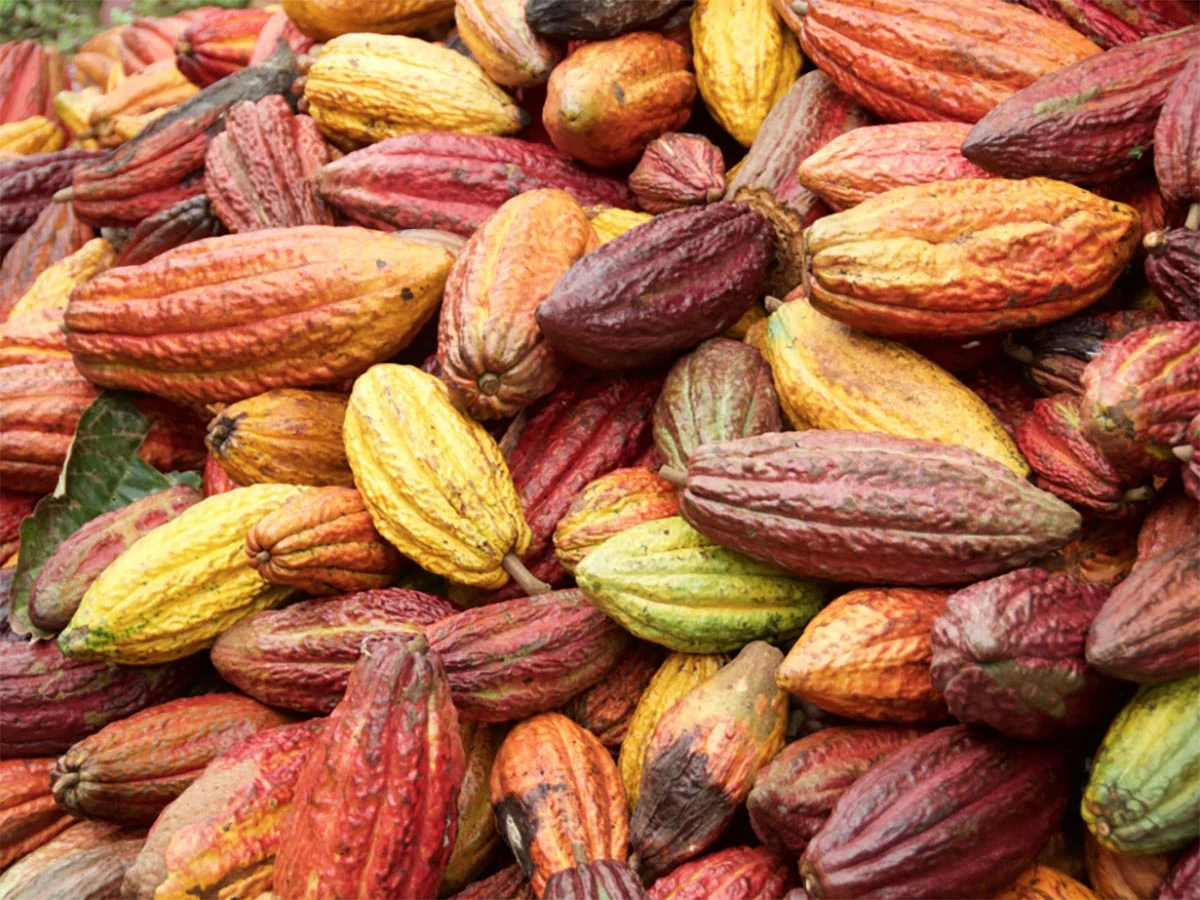
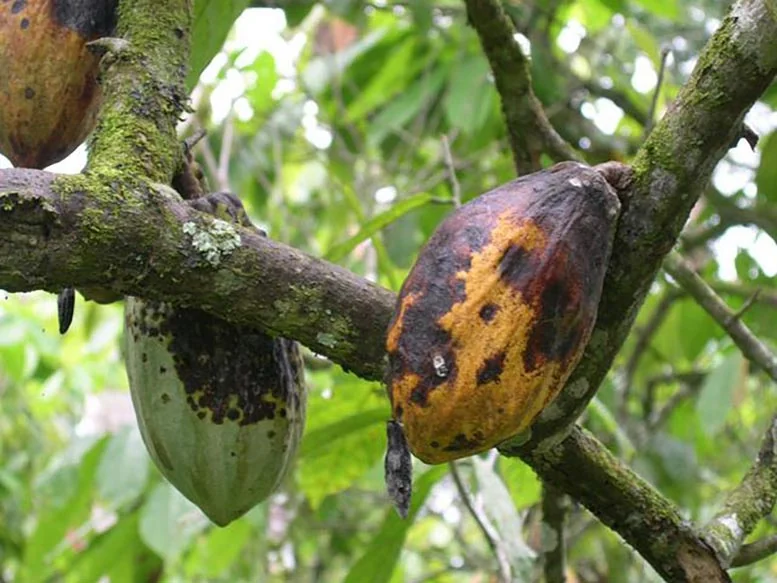
Black pod disease is considered one of the most devastating diseases facing the global cocoa industry. The disease, caused by a mold-like pathogen, currently causes an estimated 30% annual loss in global cocoa production. At the same time, changing rainfall patterns, rising humidity and other environmental stresses brought about by climate change are making cocoa growing increasingly difficult. As millions of farmers around the world rely on cocoa cultivation for their livelihoods, related issues are raising concerns about the stability of future chocolate supplies.
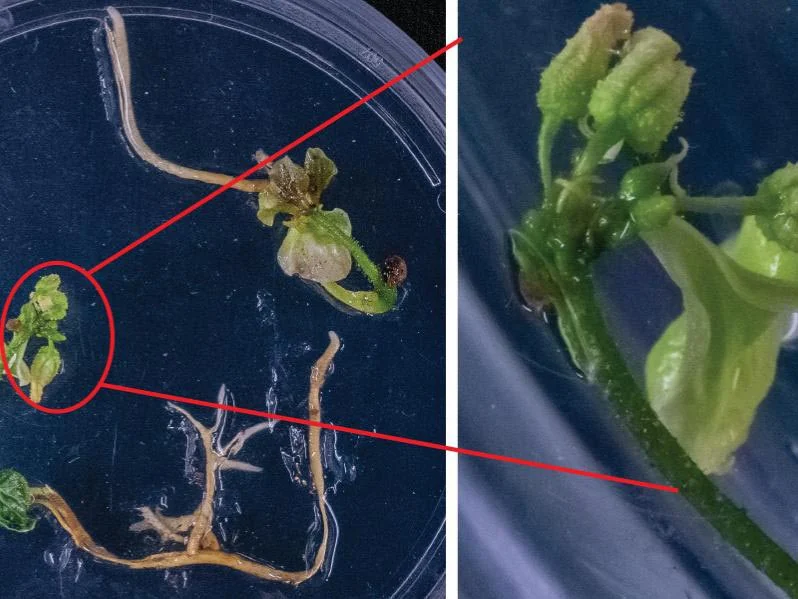
The research team stated that the newly developed cocoa variety showed significantly enhanced disease resistance under laboratory conditions. Researchers use gene editing technology to strengthen the plant's own natural defense mechanisms rather than introducing foreign genes. They then used traditional cross-breeding to completely remove the foreign DNA associated with the gene editing tools, so that the final plants retained only beneficial mutations.
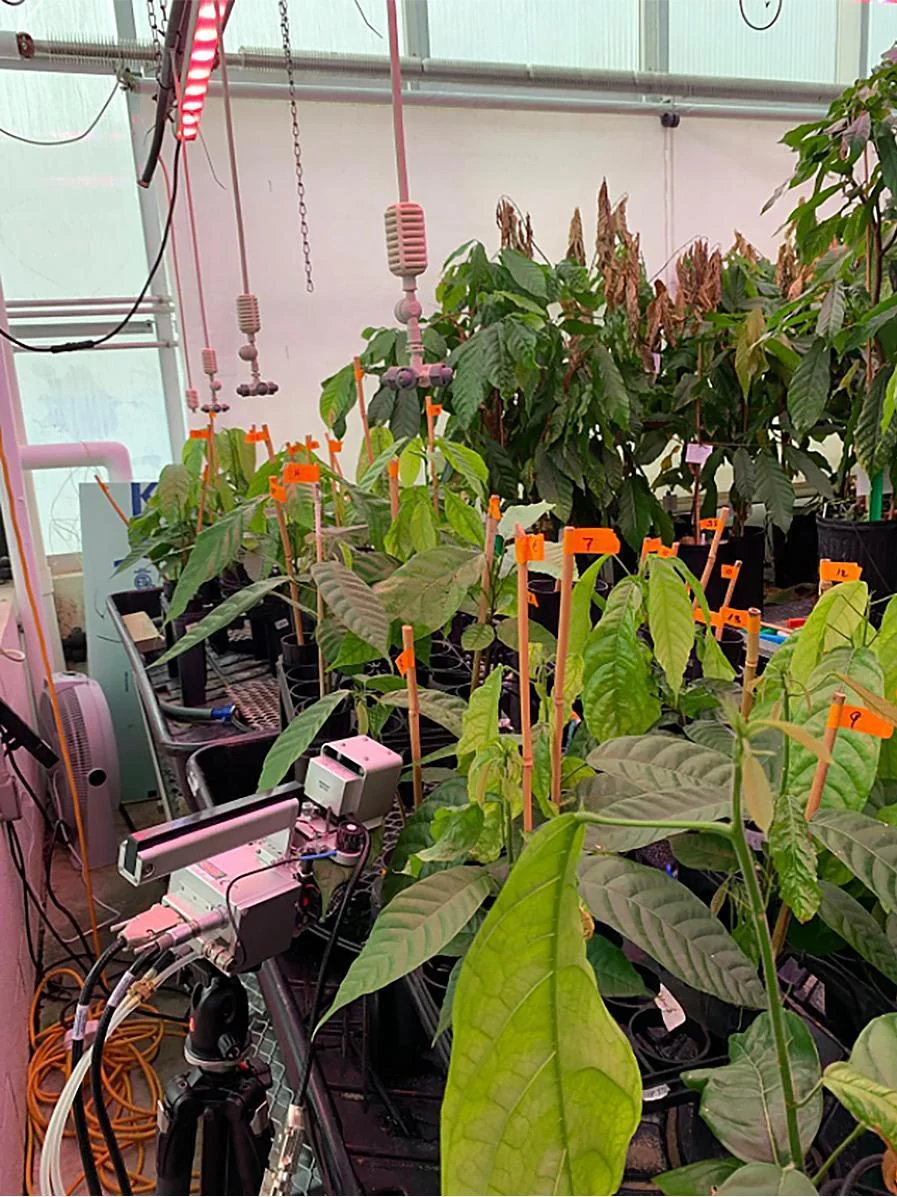
This research builds on decades of cocoa research at Penn State. Mark Giltinan, a professor of horticultural botany and one of the project leaders, pointed out that consumers usually only see finished chocolate products on store shelves, but rarely realize that the crops and industries behind them are facing huge challenges. The research team hopes to develop more tools to help growers continue to produce cocoa in a sustainable and cost-effective way.
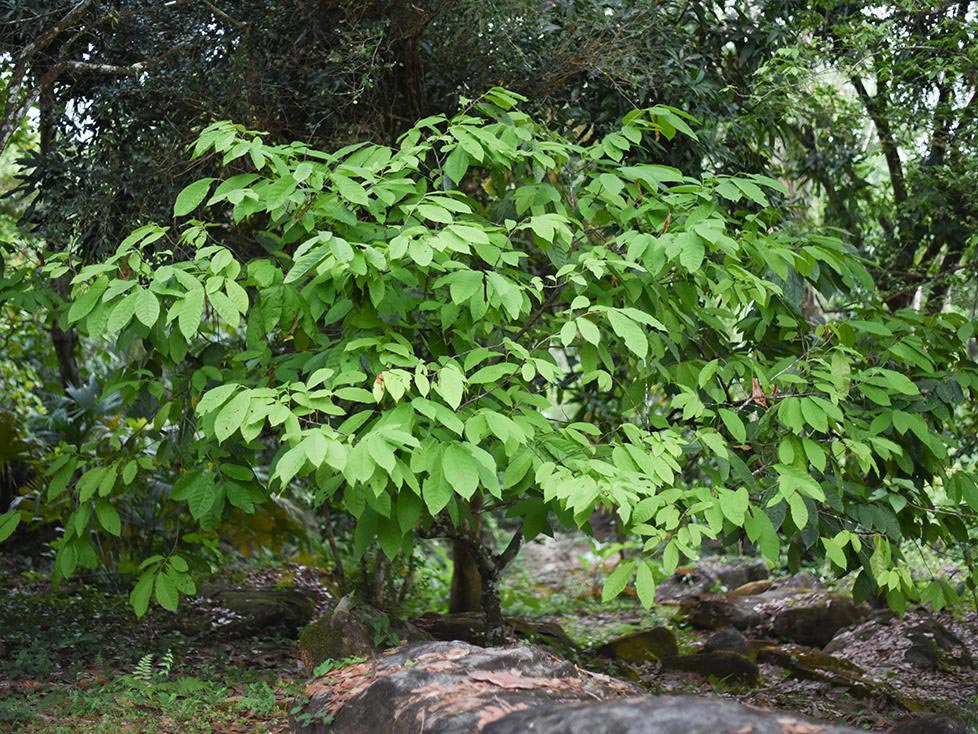
Researchers said that cocoa is native to the Amazon rainforest and has grown under the cover of the tropical forest canopy for a long time, so it is particularly sensitive to environmental changes. Today, cocoa is widely cultivated in tropical areas of Africa, Asia, and Latin America, but environmental conditions in these areas often differ greatly from its native habitat. Changes in rainfall, temperature and humidity not only affect yields but may also increase the risk of disease outbreaks.
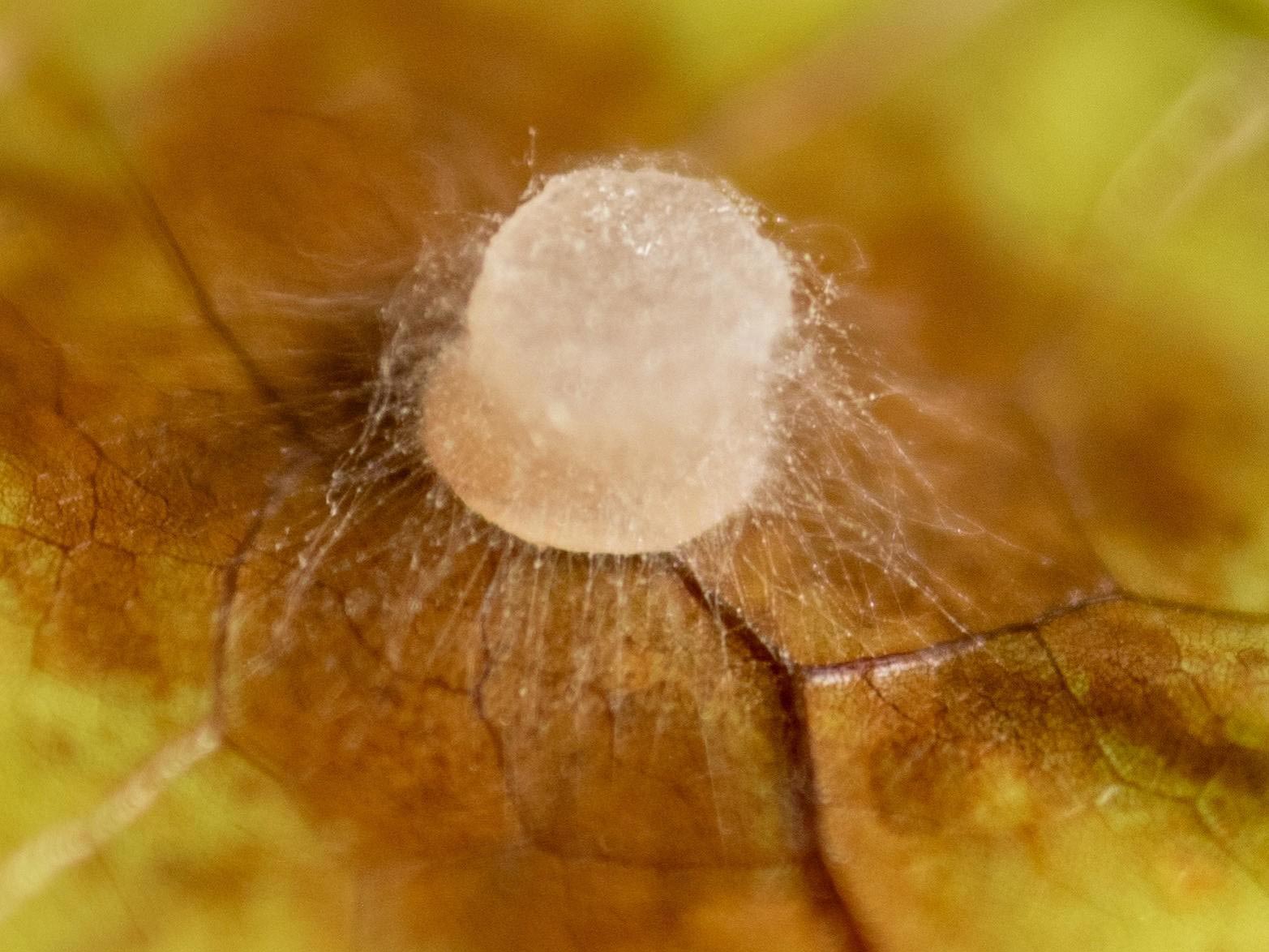
To make matters even more difficult, cacao tree breeding is very slow. It usually takes about three years to mature and start producing seeds, and it often takes decades to breed and evaluate a new variety. In contrast, the climate is changing much faster than trees can naturally adapt. The research team believes that modern technologies such as gene editing can help breeders address these challenges more quickly.
In a study published in the Journal of Plant Biotechnology, scientists used genome sequencing, CRISPR gene editing and traditional cross-breeding to target a gene called TcNPR3. This gene often acts as a "brake" for the plant's immune system. By fine-tuning it, the researchers partially activated the cocoa tree's natural defense response, thereby gaining greater protection against pathogen invasion.
Surprisingly, the genetic change was extremely small. The researchers did not introduce a completely new disease-resistant system to the plant, but simply tweaked its original mechanism. In their most successful case, they changed just two of cocoa's approximately 450 million bases. It is such a small change that achieved a disease reduction effect of about 42% in a laboratory environment.
Because the final plant has had all foreign DNA removed, this type of cocoa plant is no longer considered a genetically modified organism in the traditional sense under the current regulatory frameworks in the United States and the European Union. Researchers believe that this feature will help the promotion and application of related varieties in the future.
However, the research team also emphasized that laboratory results may not fully reflect the real planting environment. They are currently working with the U.S. Department of Agriculture to conduct field trials in Hawaii and Puerto Rico to evaluate how these improved plants perform under actual farm conditions. Only after long-term verification can it be determined whether it has commercial planting value.
In order to promote research results to the market, Pennsylvania State University has signed a licensing agreement with AgroNetica, a company focused on cocoa biotechnology development. The company has obtained the commercial development rights to the relevant disease-resistant mutant plants and plans to continue follow-up testing, expand breeding scale, and eventually promote the improved varieties to growers in cocoa-producing countries.
Translating laboratory findings into new crop varieties that farmers can widely grow requires significant investment and years, researchers note. The plants must not only undergo further testing, but also establish systems for large-scale propagation and commercial distribution, which are often beyond the capabilities of university research institutions, so the involvement of industrial partners is crucial.
In fact, this result is also the result of long-term investment in the Cocoa Molecular Biology Project at Pennsylvania State University. The project began in the 1980s and over the past few decades has established a number of key biotechnological tools, dissected important genetic pathways, and developed into one of the world's leading cocoa research centers. These long-term accumulations ultimately laid the foundation for today's gene editing results.
In addition to disease resistance, AgroNetica also plans to develop more improved characteristics in the future, including enhancing heat and drought tolerance, reducing cadmium accumulation, cultivating a compact tree structure more suitable for mechanized management, shortening the time to first fruiting, and even developing caffeine-free cocoa varieties. However, these goals are still in the research and development stage and have not yet become proven advantages of existing disease-resistant varieties.
The research team stated that as climate change continues to intensify and pathogens and growing environments continue to change, the challenges facing the cocoa industry will not be solved at once. In the future, accelerated breeding and gene editing technologies are expected to play an increasingly important role in helping growers increase yields, reduce losses, and adapt to changing environments.
The researchers emphasized that their ultimate goal is not to simply achieve a technological breakthrough, but to solve practical problems for growers. This research will be truly successful if these innovations help farmers reduce losses, increase productivity, and adapt more quickly to changing environmental conditions.
Comments