
Abstract:
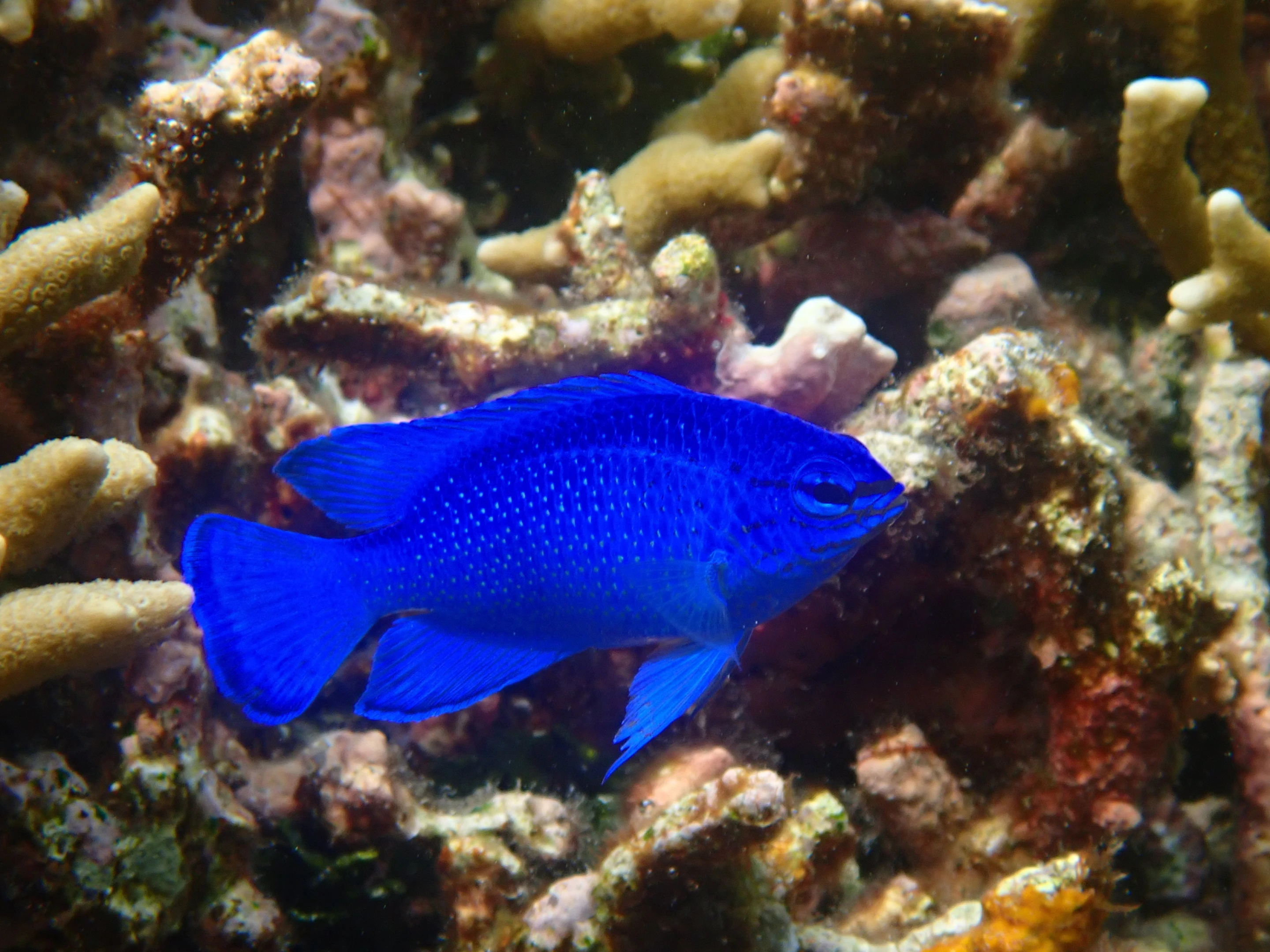
Blue devil damselfish living in urbanized waters are experiencing significant changes in genetic activity. Researchers found that hundreds of genes in this common and brightly colored coral reef fish change their expression in response to environmental changes, most of which are related to inflammation and immune responses. Scientists call this phenomenon the "junk food effect" because these fish appear to be sacrificing their health for convenience.
The research team comes from Japan's Okinawa Institute of Science and Technology (OIST), France's National Center for Scientific Research (CNRS) and Indiana University School of Medicine in the United States. Researchers believe that this discovery will not only help understand the health of marine life, but may also provide new insights into human health research.
Scientists point out that the average life span of humans in modern society continues to increase, but at the same time, the incidence of chronic diseases is also increasing, and many people are accompanied by various inflammation-related diseases in the second half of their lives. Medical research has long proven that the immune system and long-term inflammation are closely related to health, while wildlife health assessments have relied more on external indicators such as habitat conditions, population size, and behavioral observations in the past.
Now, this study provides new genetic evidence that imperceptible physiological changes may be occurring within a seemingly prosperous and healthy ecological environment. The researchers believe this could push the ecological community to redefine and assess the way wildlife health is measured.
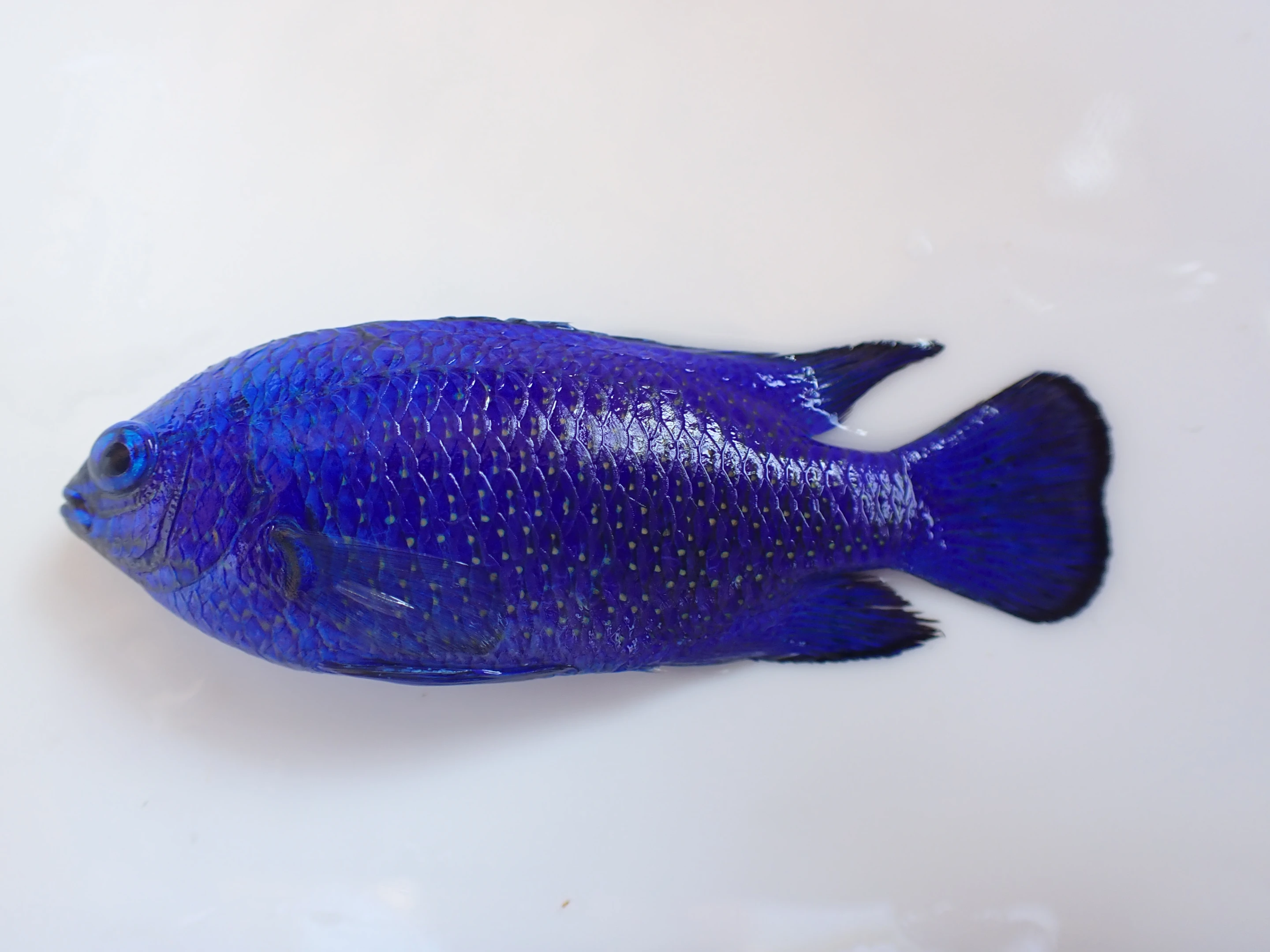
The object of this study is the blue devil damselfish. This fish is widely distributed in the Indian Ocean and the Western Pacific. It is famous for its bright blue appearance. It is also a very popular ornamental fish species in the European and American aquarium markets.
Emma Guerin, the first author of the study and a researcher at the OIST Marine Ecological Evolution and Development Research Unit, said that traditional ecological monitoring methods usually focus on water quality samples or counting fish numbers, but these data cannot truly reflect the health status of the fish themselves. To understand exactly what the fish are going through, observing gene activity is key.
In recent years, environmental DNA technology has gradually become an important tool for assessing wildlife, but in the marine environment, it is still very difficult to accurately obtain health information of a single species. Seawater samples can reveal the biological diversity in the ocean, but they cannot reflect the physiological state of a specific species in detail.
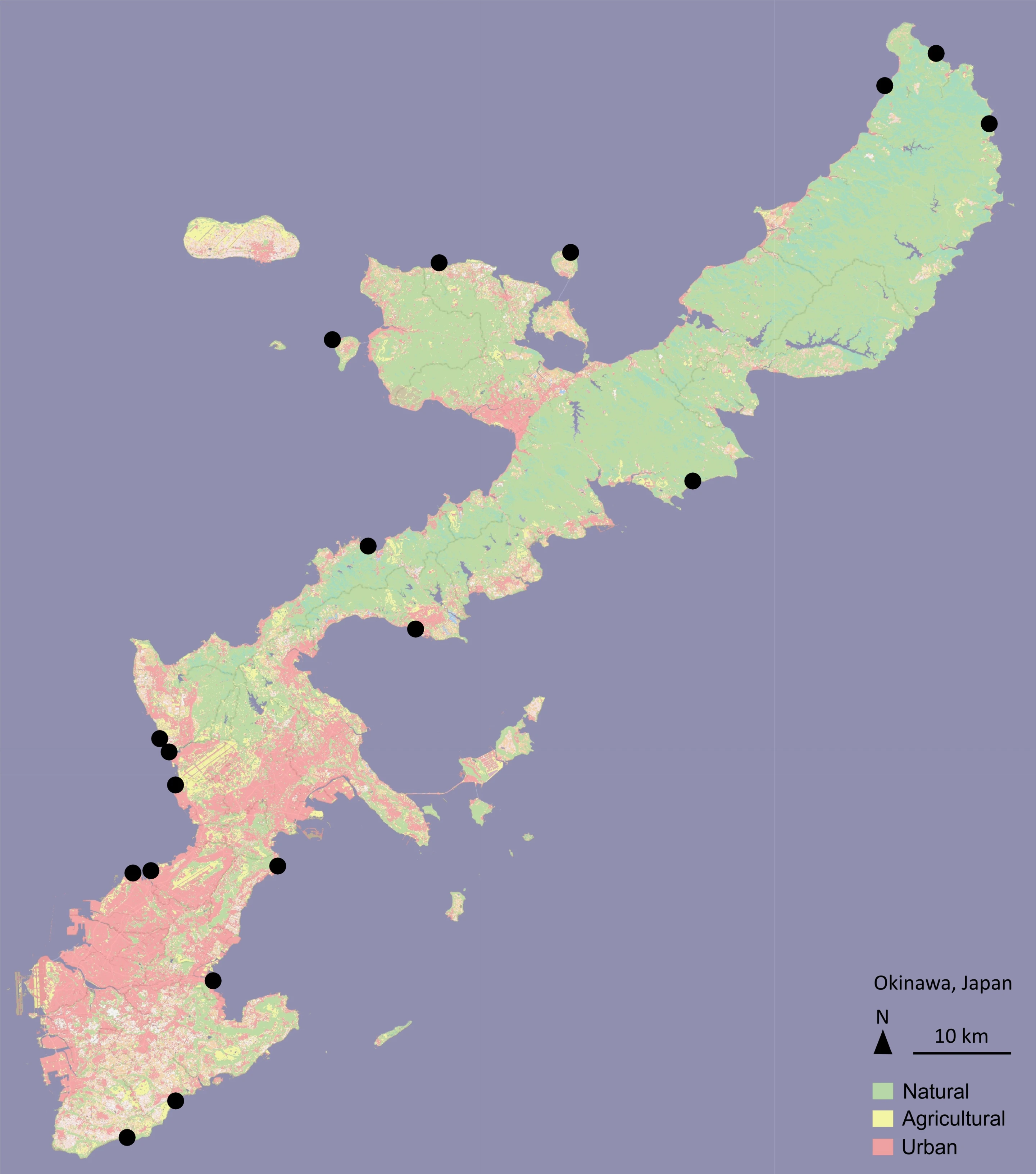
In this study, scientists collected blue devil damselfish samples from 18 different locations around the main island of Okinawa. These sites have been affected by human activities to varying degrees. The northern area still retains a relatively pristine coral reef ecosystem, while the southern coast has experienced long-term urban development and infrastructure construction.

Research results show that in sea areas greatly affected by urbanization, the activity levels of hundreds of genes in blue devil damselfish have changed significantly. Most strikingly, a significant proportion of these are related to inflammatory responses and immune system function.
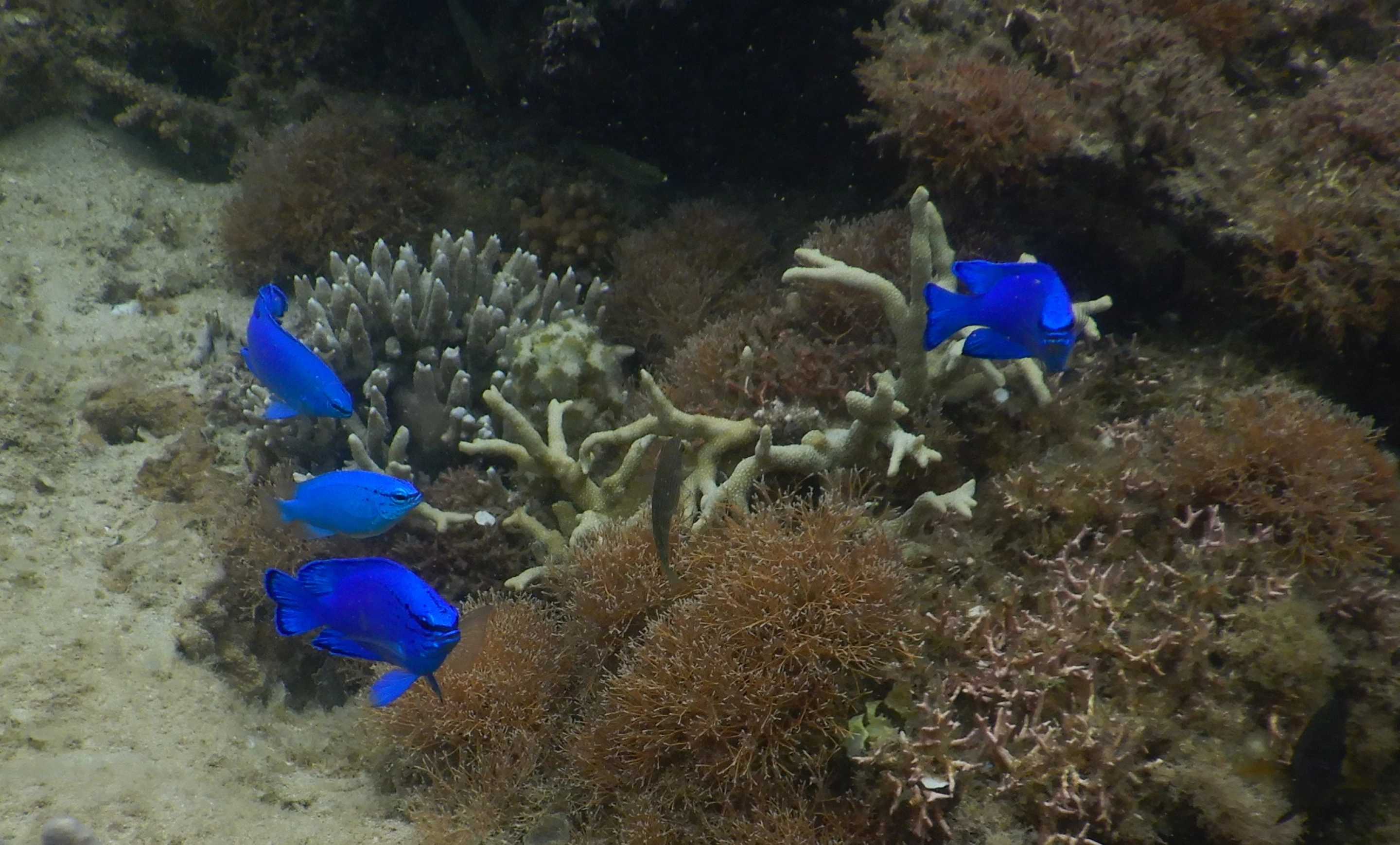
The researchers found that these fish seemed to prefer to congregate in areas more affected by human activities, even if the environmental quality there was poor. This behavior bears some resemblance to humans' preference for high-calorie processed foods. Although convenience and resources can be obtained in the short term, it may have a negative impact on health in the long term, so the research team vividly calls it the "junk food effect."

Scientists say that these fish are currently not endangered species, and their population size appears to be very stable. If we only rely on traditional ecological monitoring methods, it will be difficult for people to detect potential health problems. However, changes at the genetic level reveal a different picture, indicating that seemingly normal populations may not actually be in a healthy state.
The research team believes that the greatest significance of this work is to establish a new ocean health assessment model. By monitoring the genetic activity of wild animals, rather than just focusing on their numbers and distribution, scientists may be able to detect the effects of environmental stress on ecosystems earlier in the future.
The researchers pointed out that in the context of global urbanization continuing to expand and coastal development increasing, this gene expression-based monitoring method is expected to become an important tool in the field of ecological protection. It can not only help understand how marine life responds to pressures caused by human activities, but may also provide a more acute and accurate early warning capability for predicting future changes in ecosystems.
Comments