
Abstract:
Apple is promoting a new display technology that is different from folding screens. A newly authorized patent shows that the company is studying a "stretchable display" solution, which is expected to be applied to products such as iPhone, iPad, Apple Watch, smart home devices, and even vehicle-mounted and public information terminals in the future.
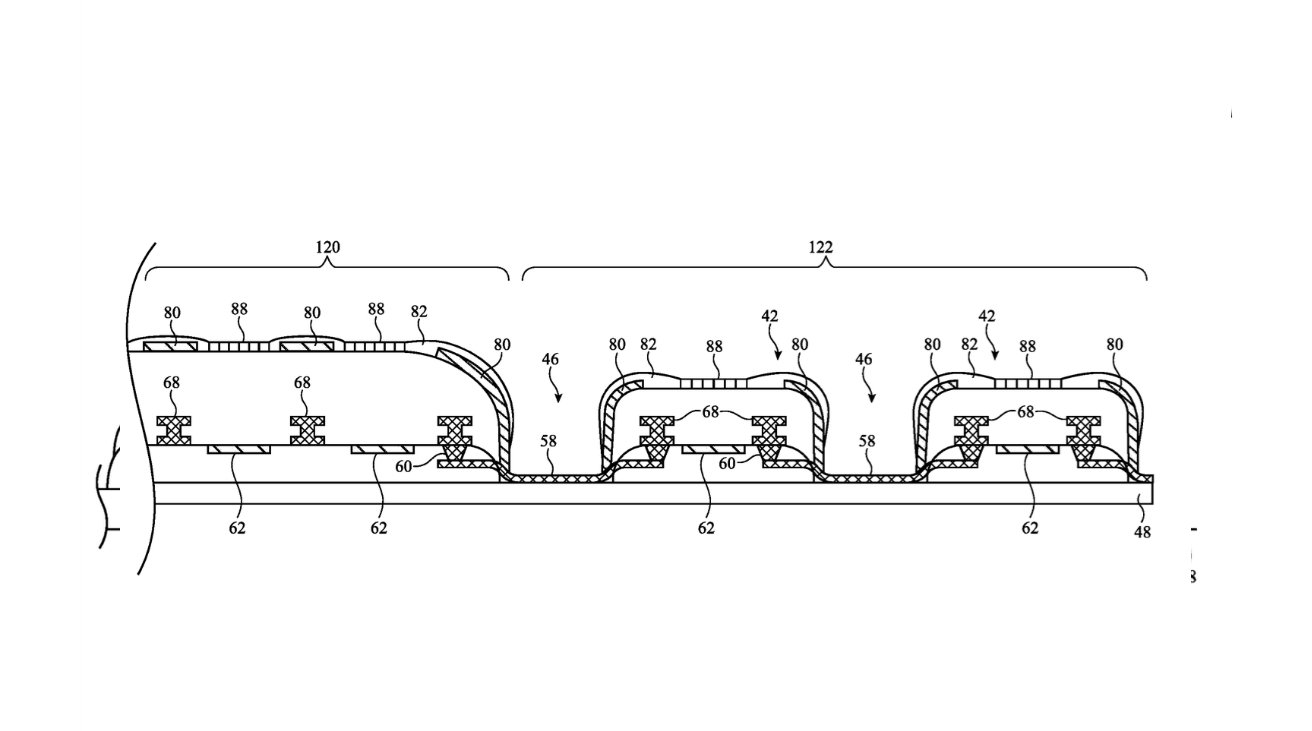
The name of this patent is directly named "Stretchable Display". The number of inventors signed on the patent has reached about 50, which is much higher than the number of signatures on Apple's general patents, indicating that the project may have received long-term and relatively extensive R&D investment. Relevant R&D personnel are mainly located in California and Taiwan, which is also one of Apple's important R&D bases.
From a technical perspective, Apple does not intend to allow the OLED pixels themselves to stretch or bend with the material. The solution is to arrange a large number of independent, sealed rigid "pixel islands" on a flexible substrate. Each pixel island contains at least one OLED pixel; the pixel islands are connected through bendable and stretchable connection areas and circuits. In other words, the core light-emitting components of the display panel remain rigid, while the overall structure carrying them is able to deform.
This design is expected to avoid the problems of material fatigue, creases or display layer damage that may occur when traditional flexible OLEDs are repeatedly folded and stretched. However, circuits still need to be connected between the pixel islands, so the patent does not give specific indicators as to how much the display can be stretched or bent.
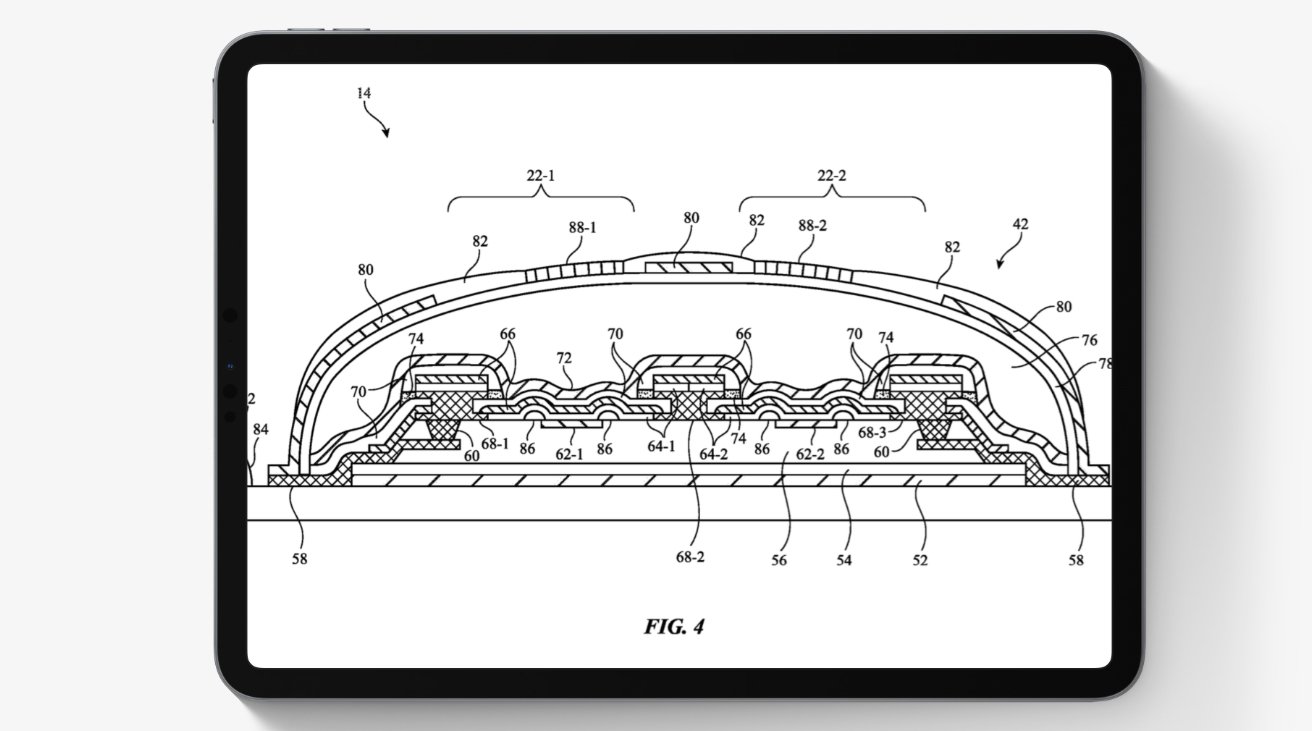
In the patent, Apple lists a wide range of potential device categories for this technology, including common consumer electronics products such as laptops and mobile phones, as well as head-mounted devices such as watches, pendants, headphones or earbuds, glasses, and other micro wearable products. The display technology is also envisioned for use in larger devices such as kiosks and cars.
From the perspective of potential product forms, stretchable displays may be more suitable for covering irregular or curved bodies than simple folding screens. For example, future high-end iPhones may not only be equipped with a large main screen that folds inward, but may also include a wrap-around display area outside the fuselage. For smart home products, this technology may also allow the screen to more naturally cover the surface of the cylindrical body, rather than being limited to a separate flat panel.
This also reminds the outside world of the rumors of HomePod with screen or "HomePad" that have been circulating before. Apple has studied how to integrate the display into a fabric outer layer similar to the HomePod grille in the past; if the stretchable display technology matures, future smart speakers or home hubs may be able to use a display interface that covers the outside of the fuselage instead of the traditional square screen design.
Apple Watch may also become an important application direction. Apple has previously been exposed to researching a display design that can completely surround the wrist, and the stretchable display panel may provide the technical basis for such products, so that the screen is no longer limited to the front of the watch face, but extends to the watch strap or even the entire wrist area.
It should be pointed out that approval of a patent does not necessarily mean that the product will be put on the market. Apple applies for a large number of patents every year, a large number of which are only used to protect technical routes or explore future design possibilities, and may not ultimately be transformed into actual sold products.
Comments