
Abstract:
Researchers have recently developed a new "artificial leaf" device inspired by natural leaves, which can use sunlight to produce clean hydrogen directly from polluted seawater, and at the same time decompose the toxic pollutant hydrazine in industrial wastewater, achieving the two functions of energy production and water purification simultaneously. This result has been published in the journal "Nature Communications" and is considered to provide a more efficient and sustainable new idea for future green hydrogen energy production.
Hydrogen is widely regarded as one of the important clean energy sources in the future, but the traditional hydrogen production process often requires a large amount of energy. The more common method currently is electrolysis of water, which uses electric current to split water into hydrogen and oxygen. However, most electrolysis systems rely on precious freshwater resources. Although seawater is abundant, it is difficult to directly utilize it because it contains a large amount of chloride ions. Chloride ions not only reduce reaction efficiency, but may also produce corrosive and toxic chlorination by-products, causing damage to equipment.
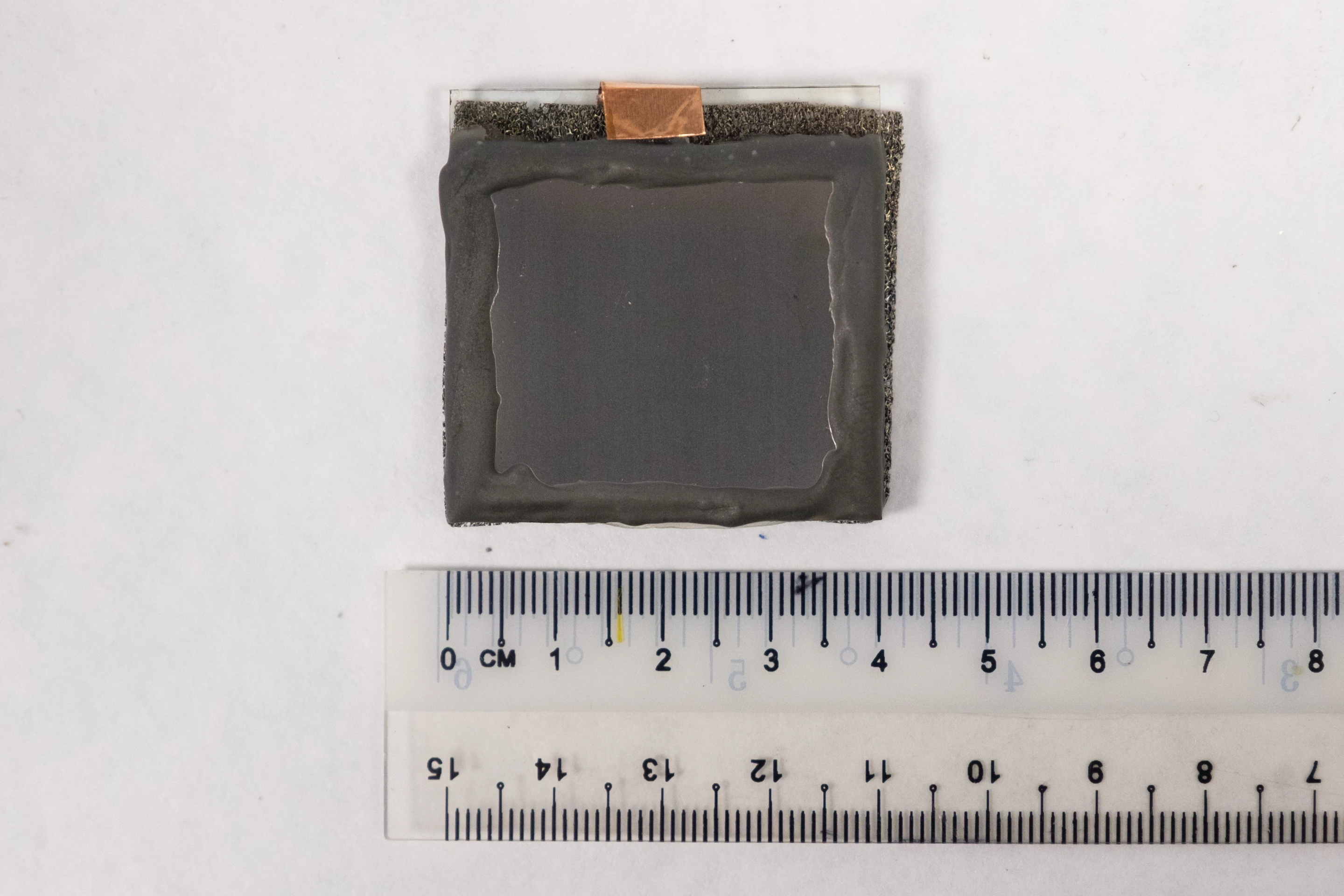
To overcome these problems, a research team from Nanyang Technological University in Singapore designed a new light-driven device. The device can collect solar energy just like plant leaves perform photosynthesis and convert the light energy directly into the electrical energy needed to drive chemical reactions without the need for additional external power supply support.
The research team introduced a catalyst composed of iron, cobalt and chromium in the anode part of the device. The catalyst breaks down hydrazine, a highly toxic chemical commonly found in industrial wastewater, into hydrogen and nitrogen. Compared with the reaction that produces oxygen in traditional water electrolysis processes, this hydrazine oxidation process requires lower energy, so it can significantly improve the overall hydrogen production efficiency. At the same time, hydrazine as a pollutant is effectively removed, realizing the wastewater purification function.
The researchers say this design brings double benefits. On the one hand, the cathode uses sunlight to drive seawater to produce hydrogen; on the other hand, the anode also produces additional hydrogen while processing harmful hydrazine, thereby increasing the total hydrogen production of the system. In addition, the catalyst has excellent corrosion resistance, and its electrical, physical and chemical properties can be adjusted according to different application requirements.
More importantly, this reaction mechanism can also significantly inhibit the generation of harmful chloride by-products during seawater electrolysis. Due to the reduced generation of corrosive and toxic substances, equipment operation stability and lifespan are expected to be improved.
In the photoelectric conversion part, the researchers used lead halide perovskite materials to make cathodes. This type of semiconductor material has attracted widespread attention in recent years because of its high efficiency in absorbing light energy and converting it into electrical energy. To prevent the material from degrading due to the seawater environment, the team protected it using conductive epoxy resin containing silver and copper particles, as well as titanium foil.
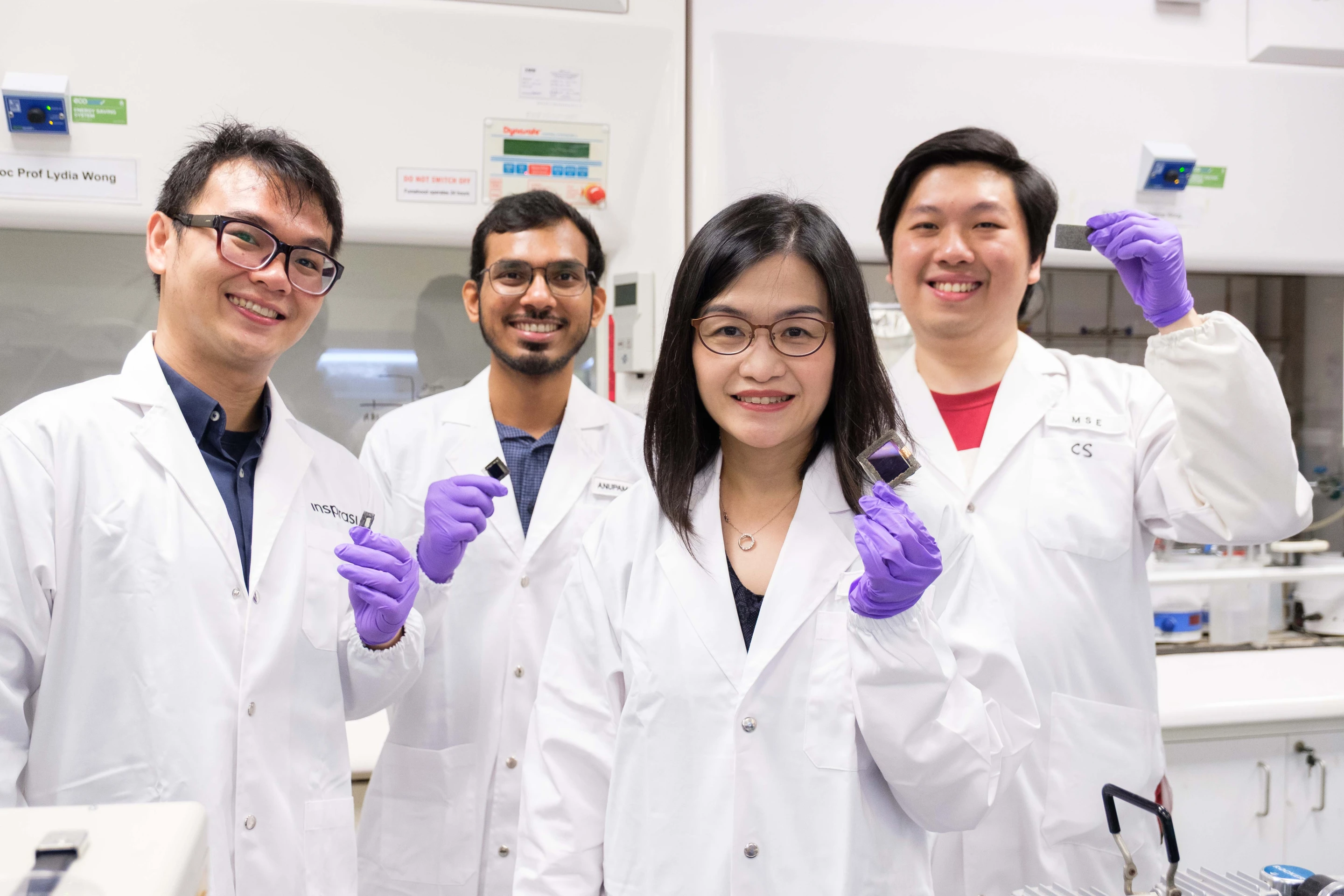
Experimental results show that the device can stably generate current whether in simulated seawater or actual seawater samples. Its photocurrent density reaches 25 milliamperes per square centimeter, which is at the leading level among the current reported results of lead-based perovskite photocathode, indicating its excellent solar energy conversion capability.
The stability test also performed well. Under conditions equivalent to the intensity of natural sunlight on a clear day, the device has been running continuously for more than 72 hours, and its performance remains stable. At the same time, hydrazine concentrations were reduced from 0.5 moles per liter to 0.5 parts per billion (ppb), well below the U.S. Environmental Protection Agency's safety limit of 10 ppb.
The research team believes that this technology proves the feasibility of using solar energy to directly drive seawater to produce hydrogen and simultaneously treat pollutants. Next, they plan to further expand the application scope of the platform to enable it to handle more types of pollutants and explore the possibility of converting waste into fuels or industrial chemicals, thereby promoting the integrated development of green energy and environmental management technologies.
Comments