
Abstract:
Controversy surrounding competition in the AI hardware market is heating up again. According to the latest revelations from analyst firm SemiAnalysis, NVIDIA is accused of putting pressure on some "Neocloud" cloud service providers that use AMD GPUs, Google TPUs and other competing products, and even refuses them to participate in the upcoming GTC Berlin conference.
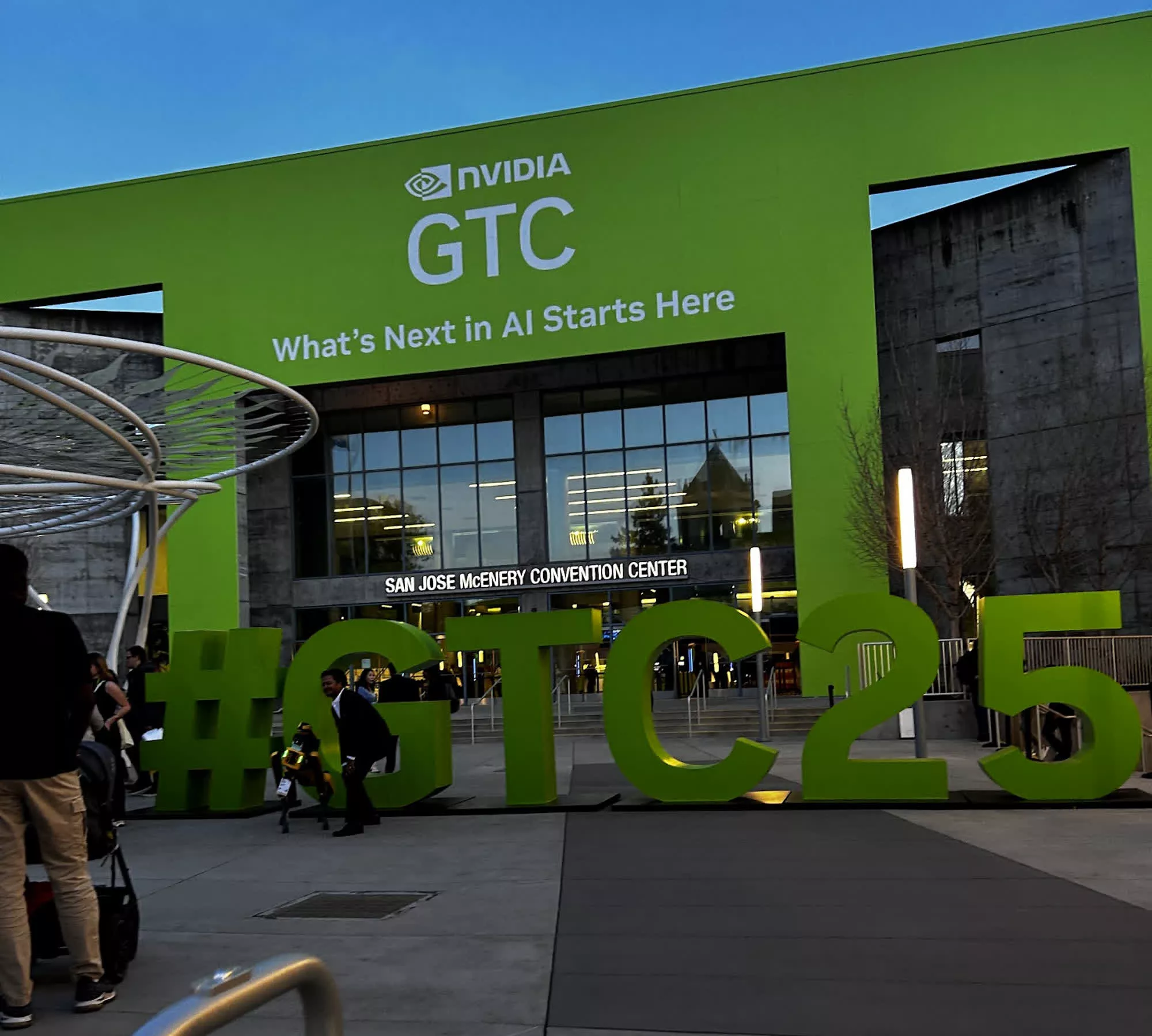
Reports indicate that several Neocloud companies focusing on AI infrastructure were banned from participating in Nvidia’s GTC conference in Berlin, Germany. SemiAnalysis said it has identified a number of cloud service providers that have been disqualified from the conference due to the introduction of AMD GPUs, TPUs and other non-Nvidia chips into their product portfolios.
Neocloud is a type of cloud computing company that has emerged rapidly in recent years. It mainly provides specially optimized infrastructure services for artificial intelligence training and reasoning needs. As the AI market continues to expand, the number of such companies continues to grow and they have gradually become an important force outside of large cloud computing platforms.
It is said that Nvidia’s move is intended to limit the adoption of competitor hardware by these companies. Since many Neocloud businesses are highly dependent on Nvidia GPU supplies, it will be difficult to completely escape its influence. Some cloud service providers are even forced to deploy AMD products in a low-key manner, rather than publicly publicizing relevant cooperation to avoid further pressure.
SemiAnalysis pointed out that this is not the first time similar accusations have surfaced. Earlier this year, the agency claimed that Nvidia would punish cloud service providers that use rival technology by limiting early quotas for new products. At the same time, related companies may also face adverse effects in terms of initial public offerings, financing activities, and obtaining financial support from Nvidia.
However, the report also pointed out that this so-called "punishment" does not seem to have affected large and very large-scale cloud vendors. Because giants such as Amazon AWS and Microsoft Azure have far greater procurement scale and bargaining power than Neocloud, Nvidia reportedly did not take the same measures against these companies.
As for related rumors, some people in the industry believe that the incident may not constitute a major controversy. Nvidia itself is the organizer of the GTC conference, and the company has the right to decide which companies to invite to participate in the event. In addition, Nvidia has directly invested in some Neocloud companies in the past, so some observers believe that the relevant practices are more of a business partnership management rather than a strict market suppression.
Since its inception in 2009, the GTC conference has become one of the most influential GPU and artificial intelligence technology events in the world, attracting a large number of developers, researchers and enterprises every year. As the AI market develops rapidly, being able to gain exposure at conferences and gain access to industry resources and partners is of great value to many emerging cloud service providers.
In recent years, Nvidia has faced accusations of using its market dominance to suppress rivals. As AMD's Instinct series accelerators, Google TPUs, and other AI chips continue to increase their market presence, discussions surrounding NVIDIA's influence in the AI ecosystem and the fairness of industry competition are expected to continue to heat up.
Comments