
Abstract:
Related news from KeyBanc’s recent Asian research indicates that its foundry services have achieved project progress with a number of technology companies, including Broadcom, Google, Apple, AMD, Microsoft and Nvidia. Projects include manufacturing network switching chips for Broadcom, server CPUs for Google and Microsoft, A-series and M-series processors for Apple, client processor computing modules for AMD, and foundry chips for Nvidia's Rubin gaming graphics cards. Amazon AWS, Anthropic and SpaceX/Tesla's Terafab are said to still be evaluating Intel's 14A and 18A-P processes.
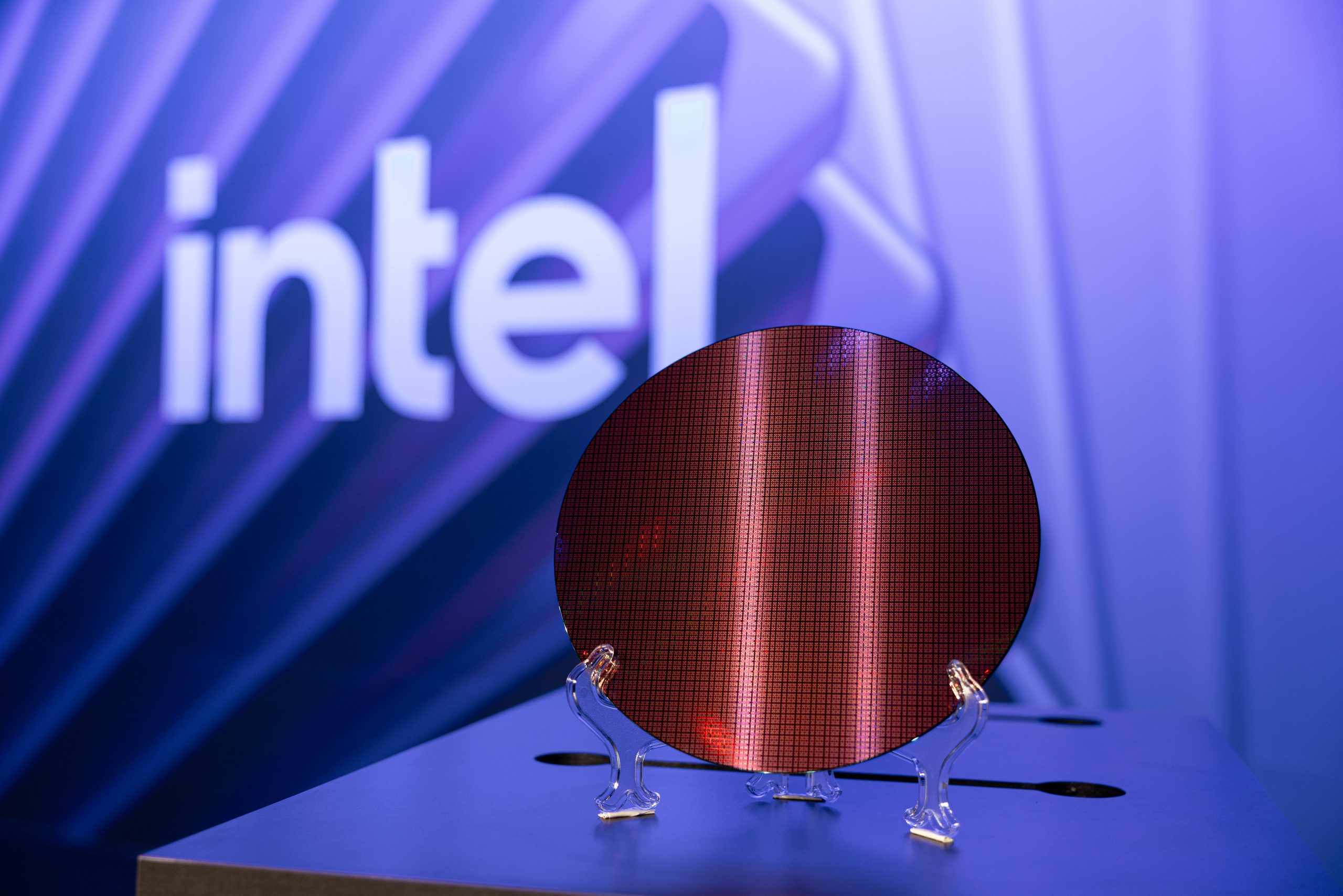
These customer lists and contract status have not yet been publicly confirmed by Intel or related companies. The Wccftech article quoted a second-hand report of KeyBanc's research and did not provide a complete report or order document for external verification; the so-called "acquired project" did not disclose the scope of the contract, specific process, production time or purchase quantity, so it should not be regarded as a confirmed mass production order.
KeyBanc believes that the Apple project may involve about 600,000 wafers, with potential revenue of US$15 billion to US$20 billion; the Anthropic custom ASIC project may reach 5 million to 10 million units, and if advanced packaging is included, the potential revenue may be US$40 billion to US$80 billion. The report also stated that Intel's EMIB-T advanced packaging may bring about US$12 billion to US$15 billion in revenue to the Google TPU project, and EMIB-M may also participate in Amazon Trainium 3 and Microsoft Cobalt 400 related projects. These are analyst estimates of future project size and revenue, not disclosed contract amounts or actual revenue.

Intel's public information shows that the 18A process has entered the mass production stage of its own products, and 18A-P will enter risk trial production in the first half of 2026; the company stated in July this year that the performance of 18A-P is about 9% higher than that of 18A under the same power consumption, or the power consumption is reduced by about 18% under the same performance, and remains compatible with 18A design rules. Intel said at the time that the risk trial production target of 14A was the second half of 2027, and internal products planned to enter high-volume production ramp in 2028. It also stated that external customer contacts had increased, but did not name customers.
Intel positions 14A as a next-generation process, using RibbonFET 2 all-around gate transistors and PowerDirect back-side power supply technology. According to estimates published by the company, compared to 18A, 14A can improve performance by 15% to 20% under the same power consumption, or reduce power consumption by 25% to 35% under the same performance, and the chip density can be increased by up to about 30%. These are the manufacturer's process target data, not the results that have been verified by third-party customer products.
Intel's foundry business is trying to extend from its own processor production to external customer wafer manufacturing and advanced packaging, but there is still a long period of time from risk trial production, design introduction to stable mass production. If the customer project mentioned by KeyBanc is finally implemented, it may become an important development for Intel to compete for advanced process orders from TSMC and Samsung; until the customer's official announcement and Intel's official confirmation appear, the relevant list, contract status and revenue forecast should still be regarded as unconfirmed analyst news.
Comments