
Abstract:
Although Intel is making every effort to rebuild its foundry business and try to regain its voice in advanced manufacturing, company CEO Chen Liwu emphasized to the outside world that TSMC is not Intel's competitor, but an important partner. In a podcast hosted by Global Semiconductor Alliance founder Jodi Sheldon, Chen Liwu shared his views on industrial competition and talked about his reform experience since taking charge of Intel. He said that he is not used to seeing his peers as enemies, but prefers to see industry participants as partners.
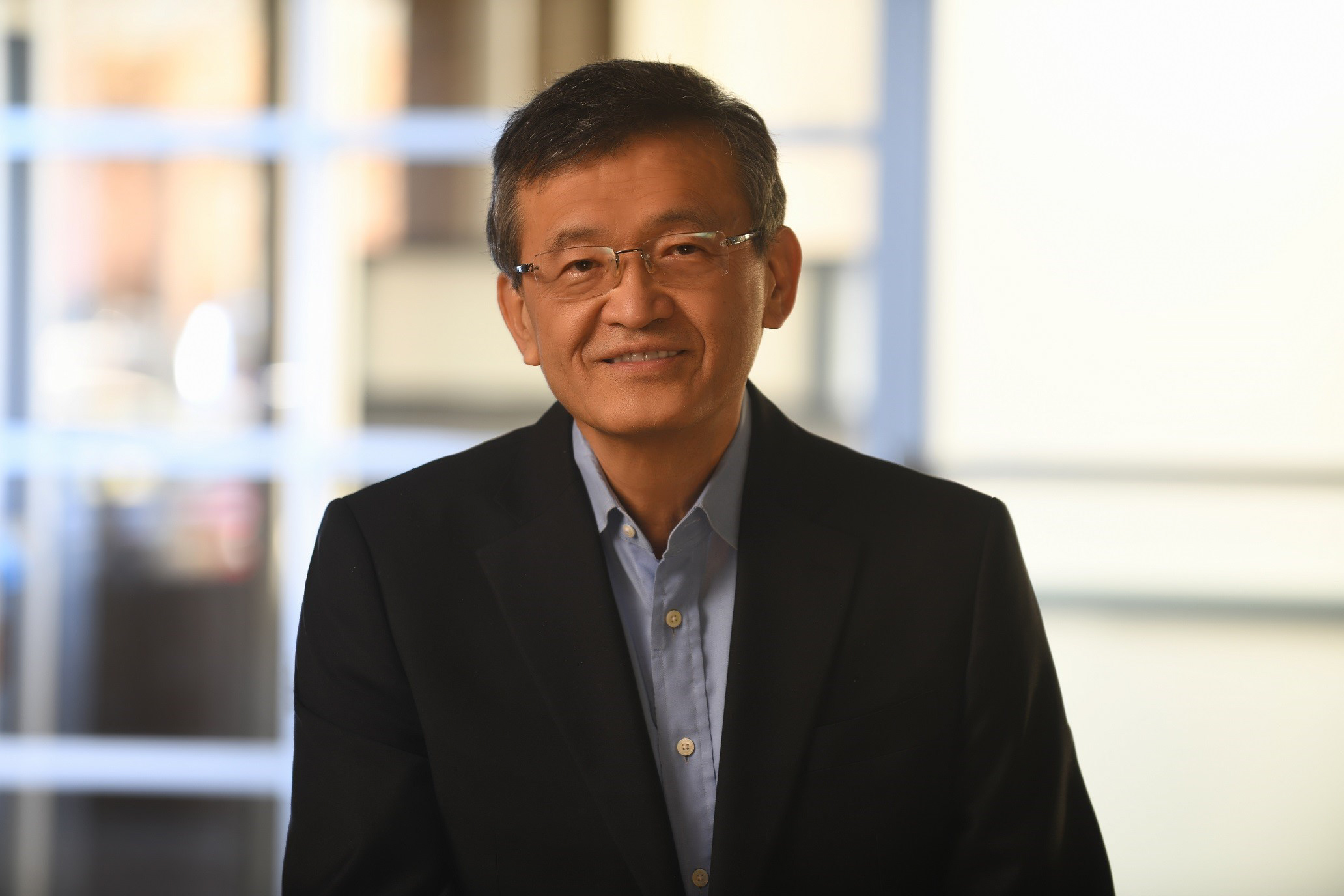
This statement is particularly interesting because one of Intel's most important strategic goals is to revitalize the Intel Foundry wafer foundry business. As TSMC has long dominated the global advanced process foundry market, the outside world generally regards both parties as one of the most direct competitors in the future.
However, Chen Liwu holds a different view.
He said that he has long adhered to the concept of giving priority to cooperation. In the past, many people were surprised that he maintained close cooperation with Nvidia CEO Huang Renxun, because many people believed that the two parties were in a competitive relationship. But he believes that this openness ultimately brought positive results, and Nvidia later even invested $5 billion in Intel.
In addition to Huang Renxun, Chen Liwu also mentioned AMD Chairman and CEO Su Zifeng. He revealed that during his venture capital business, Su Zifeng acquired three companies he invested in. Chen Liwu described them as close friends rather than mere competitors.
When talking about TSMC, he also continued this line of thinking.
Chen Liwu said that he maintains a good relationship with Wei Zhejia, chairman and president of TSMC, and therefore prefers to regard TSMC as a partner rather than a competitor. Even though Intel is accelerating the development of cutting-edge manufacturing processes and hopes to regain its competitive advantage in the field of advanced processes, he still does not define the relationship as hostile.
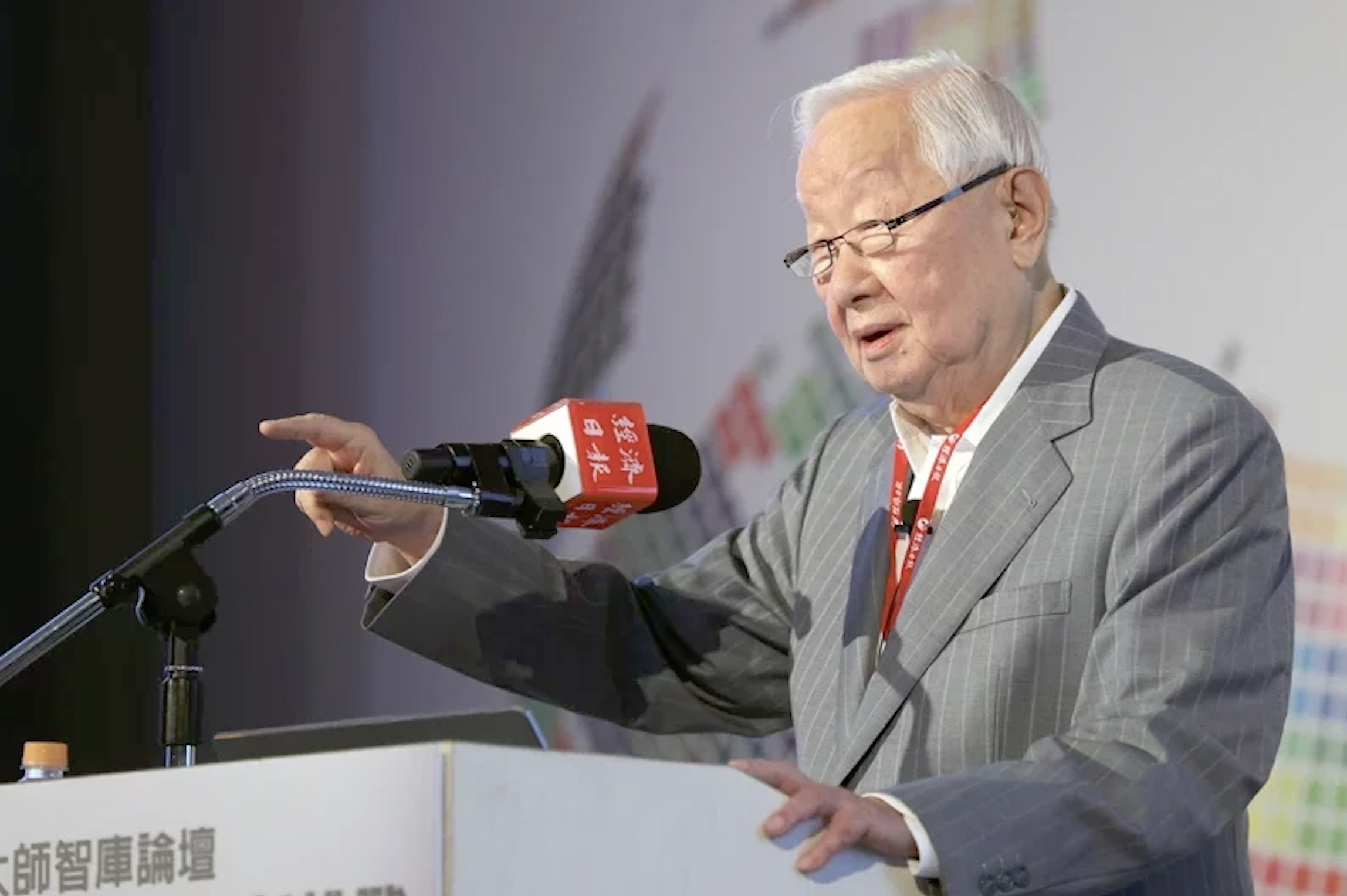
Industry insiders pointed out that this stance actually reflects the complex competition and cooperation relationship in the current semiconductor industry.
On the one hand, Intel is rebuilding its foundry business through advanced process nodes such as 18A and 14A, hoping to attract external customers and challenge TSMC's leadership in the foundry market. On the other hand, Intel itself is still an important customer of TSMC, and some products still rely on TSMC for production.
Thus, the two companies are both competitors and partners.
In this interview, Chen Liwu also talked about corporate management issues. He said whether there are layoffs or organizational changes, they must be done with respect and care. He believes that everyone makes mistakes and has their own shortcomings, so business managers should handle personnel changes as gracefully as possible.
He shared that in his past experience of running businesses and investment institutions, some employees who were forced to leave later still kept in touch and even became his investment partners.
At the same time, Chen Liwu also admitted that the pressure after taking charge of Intel was far greater than expected.
He revealed that in the first month after taking office, he had trouble sleeping because he worried about whether he would make the wrong decision every day. As the head of a company with a large employee base and a complex business system, every decision can have a huge impact.
During this process, he mentioned that he had received advice from former Xilinx CEO Moshe Gavrielov. The other party told him that if a CEO can make 70% of his decisions correct, then he is already an excellent manager.
Currently, Chen Liwu is promoting Intel's largest transformation plan in recent years. In addition to its advanced manufacturing business, the company also needs to deal with AMD's continued expansion of market share, industrial changes brought about by the AI wave, and the pressure caused by TSMC's long-term leadership in the global foundry market.
However, judging from Chen Liwu's public statement, he does not want to simply define these challenges as "fighting against competitors." Instead, he prefers to drive Intel's revival through partnerships, customer relationships and industry partnerships.
Analysts believe that this more pragmatic attitude also reflects the new reality of the current global semiconductor industry. In the context of tens of billions of dollars of investment and a highly globalized supply chain, even the most direct competitors often have deep cooperative relationships at the same time. Chen Liwu obviously hopes to use this method to gain more flexible space for Intel's future development.
Comments