
Abstract:
Nvidia is considering using glass substrates and working with German equipment manufacturer SCHMID and other companies to bring the performance of artificial intelligence chips to a new level. This strategy aims to significantly increase data processing speed by increasing the amount of packaged high-bandwidth memory (HBM).
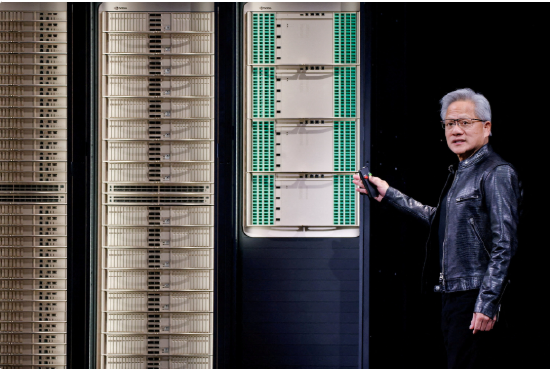
According to reports, SCHMID disclosed in its recently released first-half financial report presentation that the company is working with key suppliers in Intel, NVIDIA and AMD's respective supply chains to jointly develop glass core substrate equipment. SCHMID Chief Strategy Officer Roland Rettenmaier said that the metallization of through glass vias (TGV) is still a technical difficulty, and the certification work for end customers has not yet been completed.
Because AI chips must process more data at faster speeds, Nvidia is also focusing on improving GPU performance. Nvidia CEO Huang Jen-Hsun had previously met with SK Group Chairman Cui Taiyuan to discuss cooperation in the next-generation semiconductor field, including glass substrates, and actively urged TSMC to develop glass substrate technology. This shows that the company is seriously considering using glass substrates to improve the performance of its next-generation GPUs.
SCHMID Group has been actively developing and supplying related solutions necessary for glass substrate production. As demand for high-performance computing (HPC) infrastructure surges in the AI era, SCHMID is expanding its product line to include areas such as AI server boards and next-generation packaging.
Comments