
Abstract:
TSMC, the global leader in wafer foundry, is accelerating its next-generation advanced process layout. The latest industry news shows that the company's 1.4-nanometer process, code-named A14, has entered the pilot production stage, paving the way for formal large-scale mass production in 2028.
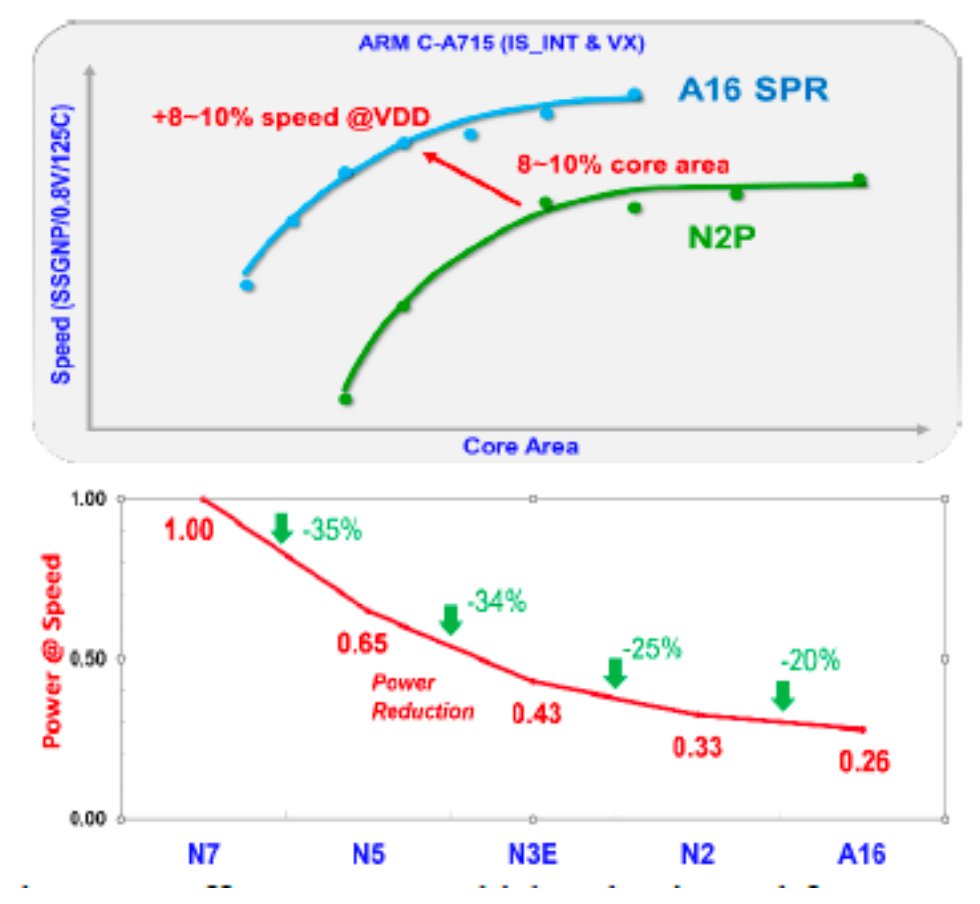
According to news from the supply chain, TSMC has recently begun trial production of the 1.4nm process. Although it is still in the verification and optimization stage, this move means that the A14 process research and development progress is advancing as planned and is gradually moving from laboratory research and development to the actual manufacturing preparation stage.
A14 is regarded as one of TSMC's most important advanced processes after the 2-nanometer node, and is also an important manufacturing platform for future artificial intelligence, high-performance computing, and new generation mobile processors. According to the roadmap previously announced by TSMC, this process is expected to officially enter the mass production stage in 2028.
Industry insiders pointed out that the main task of pilot production is not to immediately form commercial production capacity, but to verify process stability, production flow and yield performance. Through the data accumulated in this stage, the engineering team can continue to optimize manufacturing parameters and prepare for subsequent customer introduction and large-scale mass production.
At the technical level, A14 is expected to use TSMC’s second-generation nanosheet transistor technology. Compared with existing processes, this process will further improve transistor density, performance and energy efficiency to meet the higher demands for computing power and energy efficiency in the artificial intelligence era.
At present, the artificial intelligence industry is becoming the core driving force for the development of advanced manufacturing processes. As data centers, AI training platforms, and high-performance inference systems continue to expand, the market demand for advanced chips continues to grow. Including NVIDIA, AMD, Apple, Qualcomm and many cloud computing companies, they are all regarded as important potential customers of the A14 process in the future.
At the same time, TSMC’s existing advanced process business still maintains rapid growth.
Driven by orders related to artificial intelligence, the company's 3-nanometer capacity utilization rate remains high. Market analysts believe that AI chips have become one of the main driving forces for the expansion of advanced processes, and a large amount of generative artificial intelligence and large-scale model training requirements are continuously consuming the world's most advanced manufacturing resources.
In order to meet future market demand, TSMC is simultaneously promoting the construction of multiple advanced wafer fabs. Among them, a number of new factory projects specifically for the A14 process have been launched. According to the plan, these production bases will be built one after another in the next few years and will eventually support large-scale commercial production of the 1.4nm process.
Industry observers believe that moving from 2nm to 1.4nm does not just mean a change in numbers. As transistor structures become more complex, each process evolution requires more manufacturing and engineering challenges to be overcome. Therefore, whether the yield rate can be successfully improved during the trial production phase will become an important factor in determining the progress of A14 mass production.
As competition in the global semiconductor industry continues to intensify, TSMC is competing with competitors such as Samsung and Intel for next-generation manufacturing processes. Samsung has also planned a 1.4nm technology route, while Intel is actively promoting the deployment of 14A process and high numerical aperture EUV technology.
However, judging from the current public progress, TSMC still maintains a relatively leading position. As the A14 begins to enter the pilot production stage, the company has taken another critical step forward towards its 2028 mass production target.
Analytical institutions generally believe that competition in advanced manufacturing processes in the next few years will mainly revolve around the artificial intelligence market. Whoever can take the lead in achieving high yield, large-scale mass production and stable supply will take the initiative in the next round of global computing power industry competition. The advancement of the A14 process is also regarded as an important strategic layout for TSMC to consolidate its leadership in advanced manufacturing.
Comments