
Abstract:
It’s a good time to be in the diesel business right now, and even biodiesel produced on farms is no exception. Biodiesel based on soybean oil is more expensive to produce than regular diesel; its profitability depends entirely on subsidies and regulations forcing refiners to blend it with regular fuel. However, the price of ordinary diesel has risen sharply recently, and the premium space of biodiesel compared with traditional diesel has been compressed, thus boosting the profits of manufacturers.
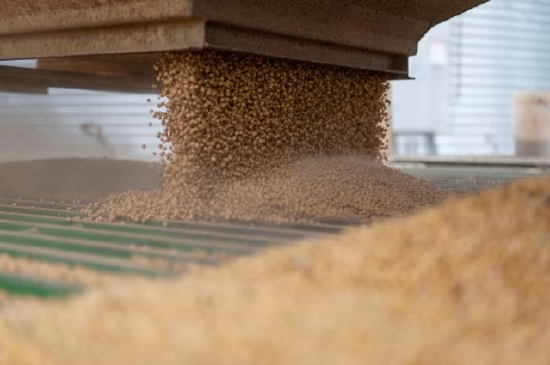
Soybeans from a farm near Gregory, Arkansas.
U.S. biofuel policy originated in the oil crisis of the 1970s, initially supporting corn-based ethanol that could be blended into gasoline. Since then, biofuel production has continued to rise, thanks to heavy lobbying from the agriculture industry.
Long before the outbreak of the Iran conflict, many governments were already raising their biofuel development goals. Many countries have committed to purchase U.S. biofuels through trade agreements. The U.S. Department of Agriculture released a biofuel export promotion plan last week. Data show that Vietnam’s total imports of U.S. ethanol in the first half of this year will be eight times the total imports in 2025.
The energy crisis caused by Iran has further prompted countries such as Brazil and India to accelerate the biofuel blending plans of gasoline and diesel. Researchers at Chatham House, a British think tank, have calculated that if all countries implement their set targets, an additional 139,000 square miles of land will be needed to meet the new global demand for biofuels, an area roughly equivalent to the U.S. state of Montana.
This calculation has not yet incorporated the latest policies. Indonesian President Prabowo Subianto last week set a goal to increase the ethanol blending ratio of gasoline to 20% within two years - doubling the original goal and completing the completion date significantly ahead of schedule. Indonesia plans to expand sugarcane cultivation for ethanol production and further increase the blending ratio of palm oil-based biodiesel.
Even a modest uptick in biofuel demand would pose risks to food prices. The cost of production materials such as diesel and chemical fertilizers is rising, and the prices of crops and vegetable oil are already on an upward trend. In addition, El Niño will also impact global food output.
"The original intention of countries implementing mandatory biofuel blending policies is to protect their own people from the impact of oil prices. But if this in turn triggers a surge in food prices five months later, it will be counterproductive." The non-profit organization that funded the Chatham House report
Forest Stewardship Council (FSC)
Director General Subra Bhattacharji said.Another risk is deforestation. Biofuel production can cause direct deforestation (such as clearing rainforest to create palm oil plantations), but it can also cause indirect deforestation: country A uses land to grow fuel crops, driving up global food prices, which in turn encourages country B to clear forests to create farmland. This would offset the climate gains from burning less fossil fuels.
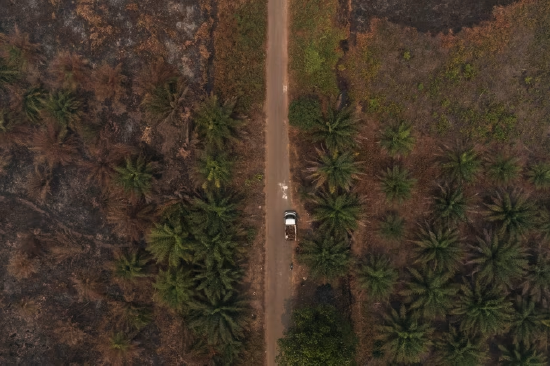
UAV aerial photography of palm oil plantations burned by wildfires in West Kalimantan Province, Indonesia.
The development of biofuels does not necessarily lead to forest destruction. Biofuels can also be produced on degraded land or from waste products such as cooking oil. The industry also has a complex set of accounting methods used to track the knock-on impacts of biofuels on land use.
But this accounting mechanism is not popular with biofuel producers. The Trump administration has scrapped a Biden-era plan to cut biofuel subsidies linked to indirect deforestation. Even in the European Union, which has the world's strictest environmental standards, lawmakers voted in July to reject a plan to phase out soy-based biofuels, citing concerns about its impact on land use. When policymakers prioritize short-term fuel supplies, the issue of deforestation is easily brushed aside.
Comments