
Abstract:
A drone powered entirely by solar energy is trying to break the record for ultra-long continuous flight. The ApusNeo solar-powered aircraft developed by drone manufacturer UAVOS recently completed a high-altitude flight test near the Canary Islands in Spain, reaching a maximum flight altitude of 47,600 feet (approximately 14,500 meters). In its latest flight, the aircraft has flown continuously for more than 80 hours and is heading towards the 100-hour goal.
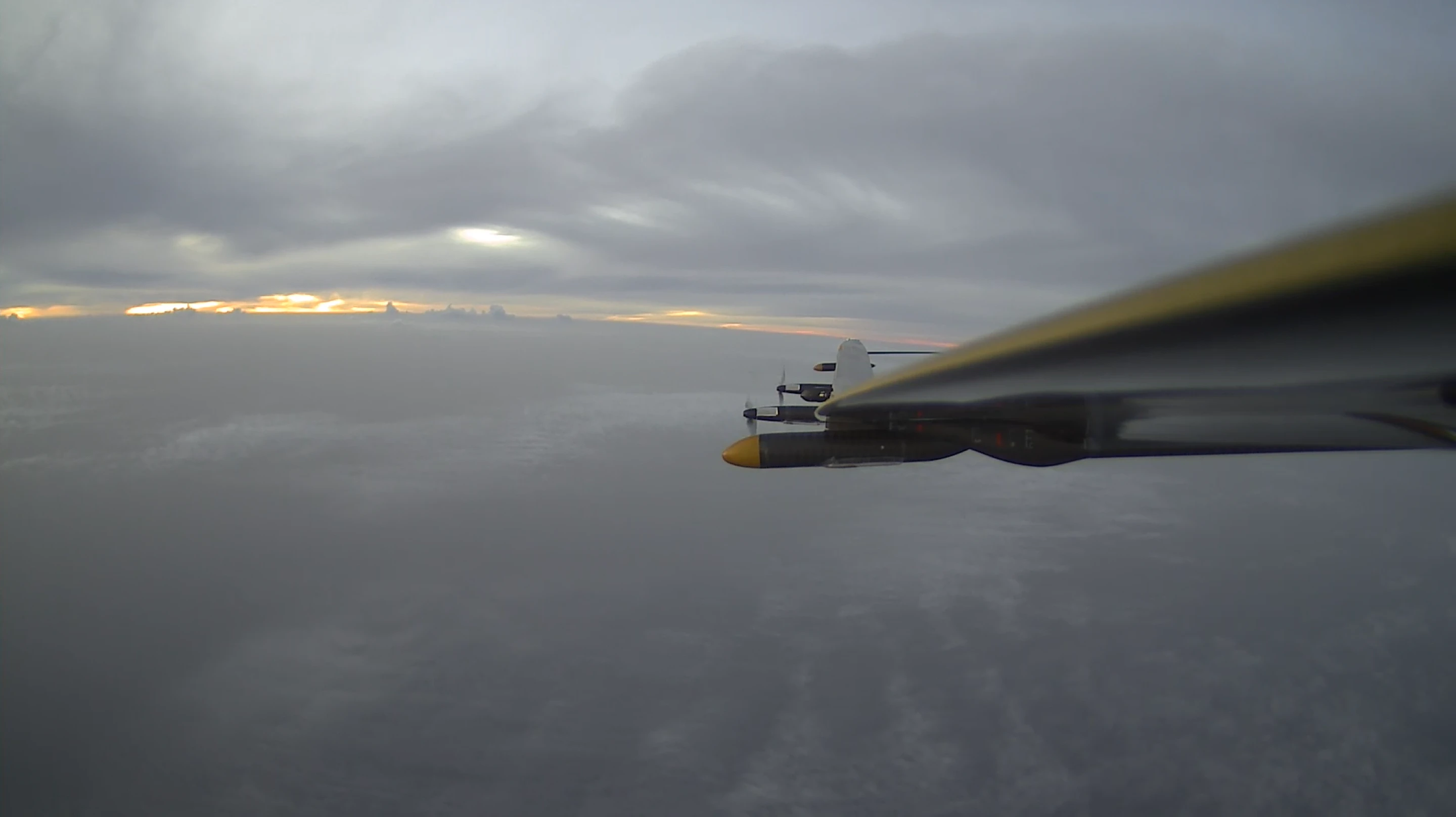
ApusNeo took off from the Canarias Stratoport for HAPS & UAS on the Spanish island of Fuerteventura on October 16 and continued to fly over the local area for 29 hours. The focus of this test was to verify the aircraft's high-altitude flight capabilities, ultimately reaching an altitude of 47,600 feet.
UAVOS founder and CEO Aliaksei Strazilatau said that the aircraft actually had the ability to continue climbing, but the flight was subject to airspace restrictions. Spanish air navigation authority ENAIRE coordinated the tests, and the relevant flight notices stipulate the maximum altitude the aircraft is allowed to reach.
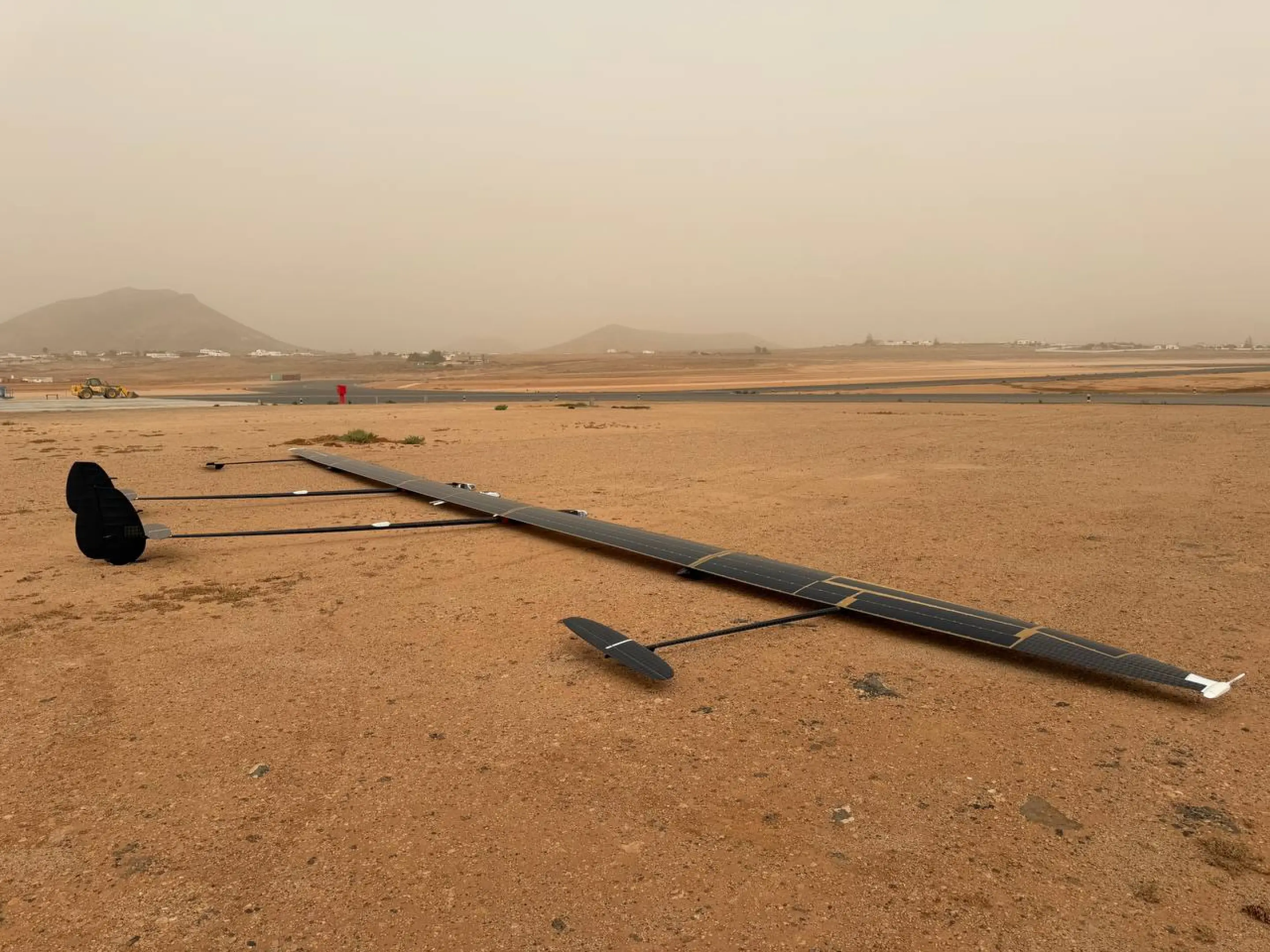
This is not the first time ApusNeo has conducted tests in Fuerteventura. In December last year, the aircraft took off from the same technical center to participate in a Spanish research and development project called ISSEC to study how to use high-altitude flying platforms to transmit data to emergency rescue departments in real time.
Different from October, which focused on verifying flight altitude, the previous tests mainly focused on endurance. In September this year, ApusNeo completed two consecutive flights, lasting 29 hours and 52 hours respectively. This latest test further pushed the continuous flight time to more than 80 hours.
UAVOS revealed to New Atlas that as of the writing of the report, the aircraft was still performing missions in the air and had flown more than 80 hours in total, with the goal of reaching 100 hours. According to local media Noticias Fuerteventura, the aircraft was cruising at an altitude of about 30,000 feet (9,100 meters) and is expected to return to the technical center on Saturday.
The key to ApusNeo's ability to achieve such a long flight lies in its solar power supply system. Solar panels are installed on the surface of the aircraft's wings to absorb sunlight during the day and use the electricity directly to drive the electric motors and charge the onboard batteries at the same time. After the sun goes down, the plane relies on the electrical energy stored during the day to continue flying until the sun rises again the next day.
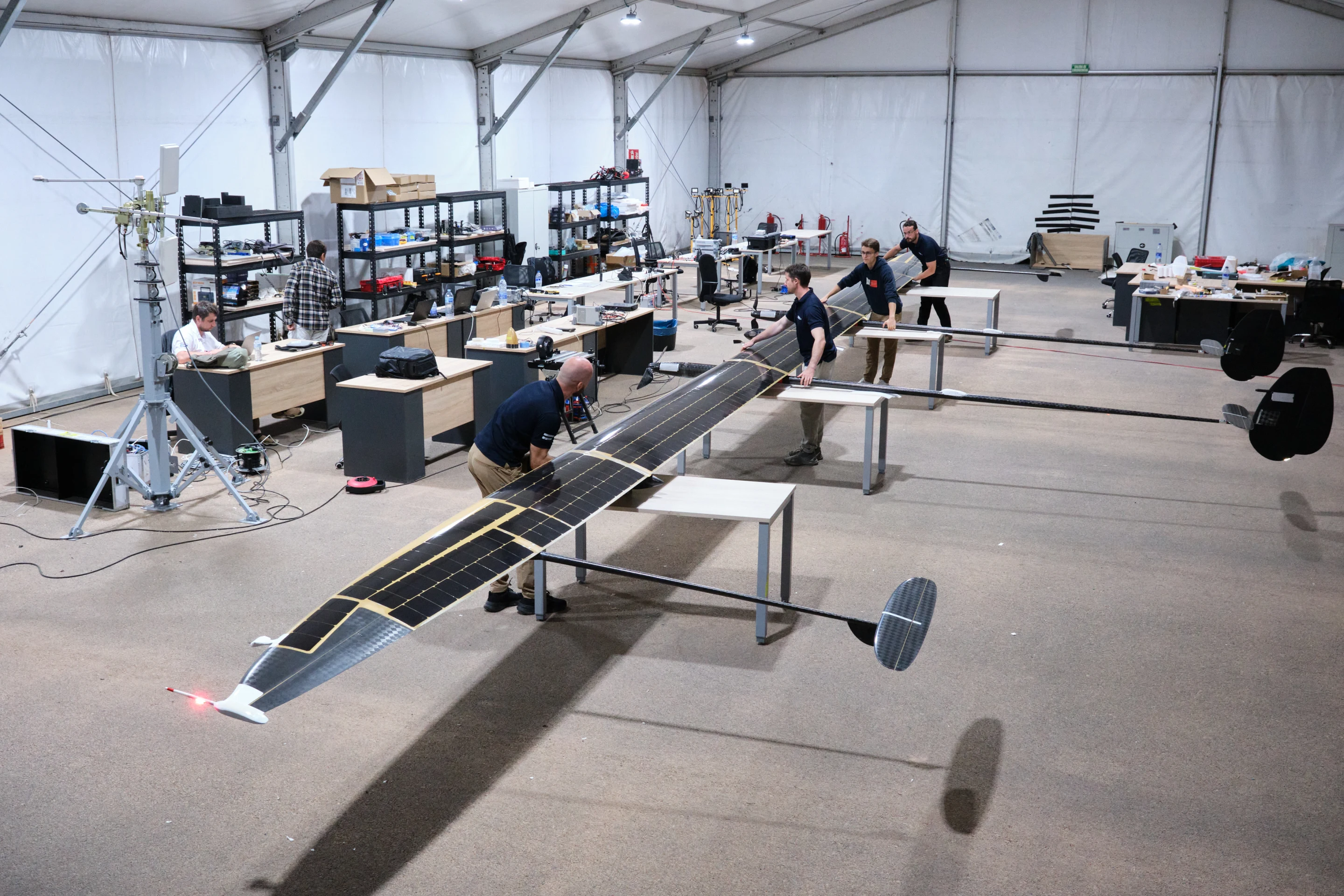
As long as the daylight hours are long enough, such aircraft can theoretically fly continuously for weeks. However, actual endurance depends not only on battery capacity, but also on factors such as season, weather, solar radiation intensity, and the aircraft's own energy consumption. The shorter days in winter reduce the amount of electricity that solar-powered aircraft can store, making it difficult to continue flying throughout the year.
From the appearance point of view, ApusNeo is obviously different from ordinary drones. Its predecessor is the ApusDuo prototype that debuted in 2018. At that time, it adopted a front and rear tandem wing design with a wingspan of about 14 meters. After redesign, ApusNeo canceled the rear wing and extended the retained main wing to 18 meters, forming a more slender fuselage structure.
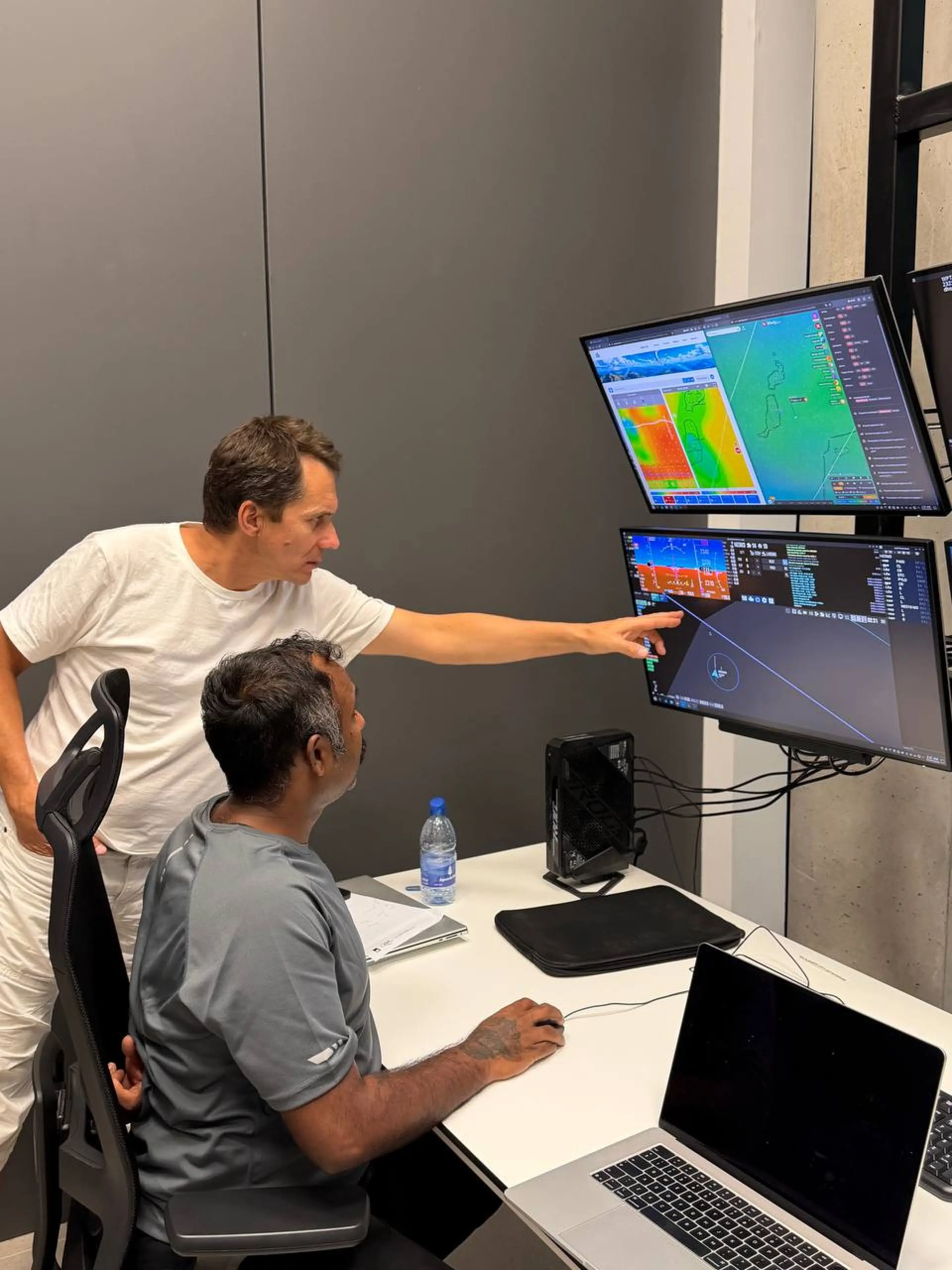
Currently, the maximum take-off weight of ApusNeo is approximately 47 kilograms. The strengthened version is capable of carrying a payload of approximately 3.4 kg. The high-altitude flight was equipped with a set of earth observation equipment, including high-resolution cameras and infrared sensors, which can transmit captured images back to the ground in real time.
Among them, infrared sensors are particularly important for forest fire monitoring. Ordinary cameras mainly rely on visible light to identify smoke and flames, while infrared devices can directly detect heat changes. When the fire is still in the early stages and the smoke is not obvious, there is an opportunity to find abnormally high temperature areas.
This is also one of the most valuable applications of solar high-altitude drones.
Although traditional satellites can cover a large area, on-orbit satellites can usually only observe briefly when passing a certain location, and cannot always stay over the same forest. Manned aircraft and ordinary drones are limited by fuel, battery capacity and flight crew working hours, and need to return to the ground regularly.
In contrast, solar-powered high-altitude platforms can stay above specific areas for long periods of time and continuously observe forests, farmland, and coastal areas. If continuous flight can be achieved for several days or even weeks in the future, abnormalities can be detected in the early stages of a fire and the spread of the fire can be continuously tracked, providing the fire department with more timely on-site information.
However, ApusNeo is still far from being a true long-term stratospheric residence platform.
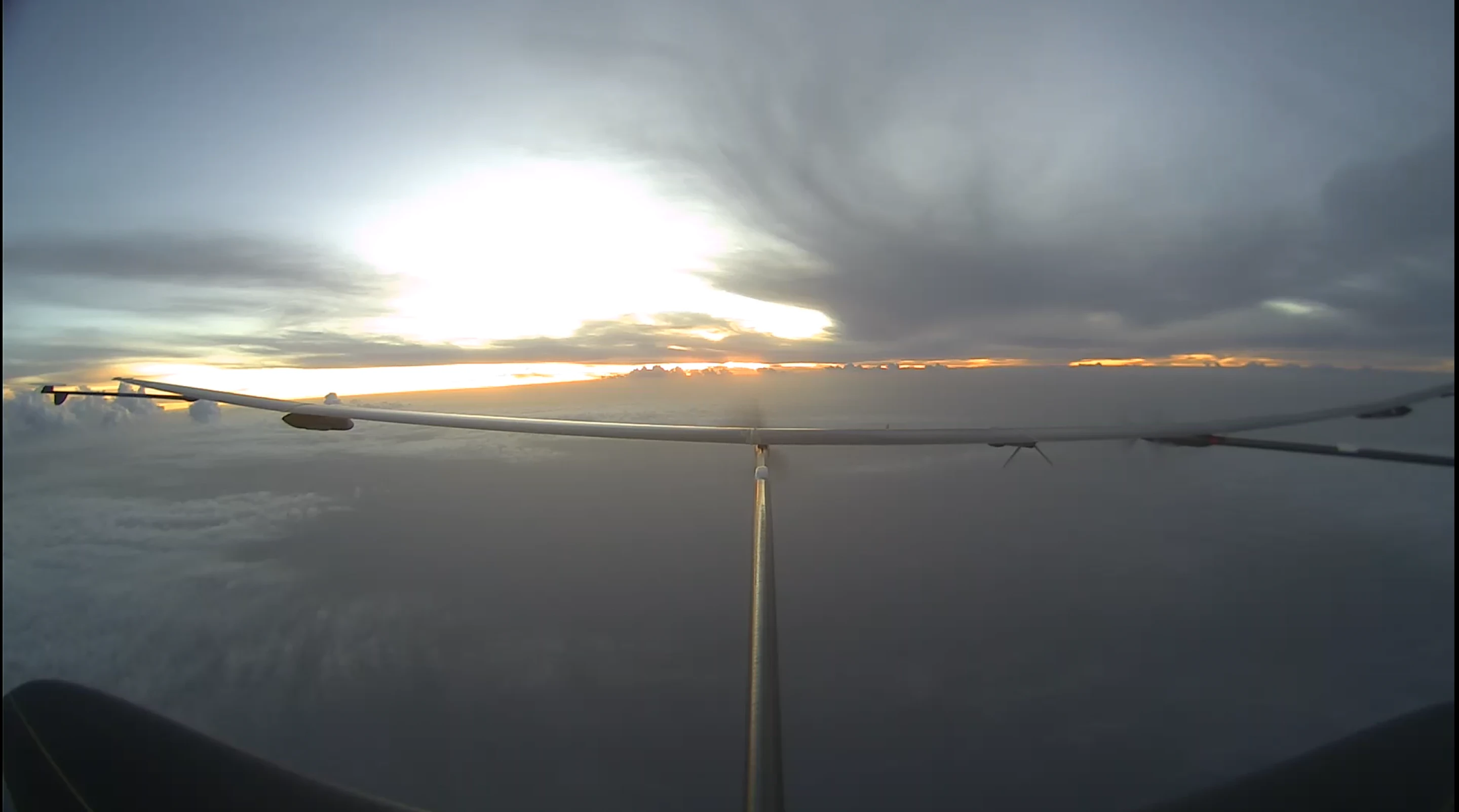
According to the definition of the International Telecommunications Union (ITU), the working altitude of high-altitude platform stations (HAPS) is usually between 20 and 50 kilometers above sea level. The maximum altitude reached by ApusNeo this time is about 14.5 kilometers, which has not yet entered the altitude range specified by this standard.
Its predecessor model, ApusDuo, reached 16,686 meters in a test in Rwanda in 2023, with a flight time of 10.5 hours, but it still did not reach the HAPS working altitude defined by the International Telecommunications Union.
One of the current leaders in this field is the Zephyr solar-powered drone developed by Airbus and now operated by AALTO. The aircraft once reached a flight altitude of 23,195 meters and set a record of continuous flight of 67 days, 6 hours and 52 minutes in 2025.
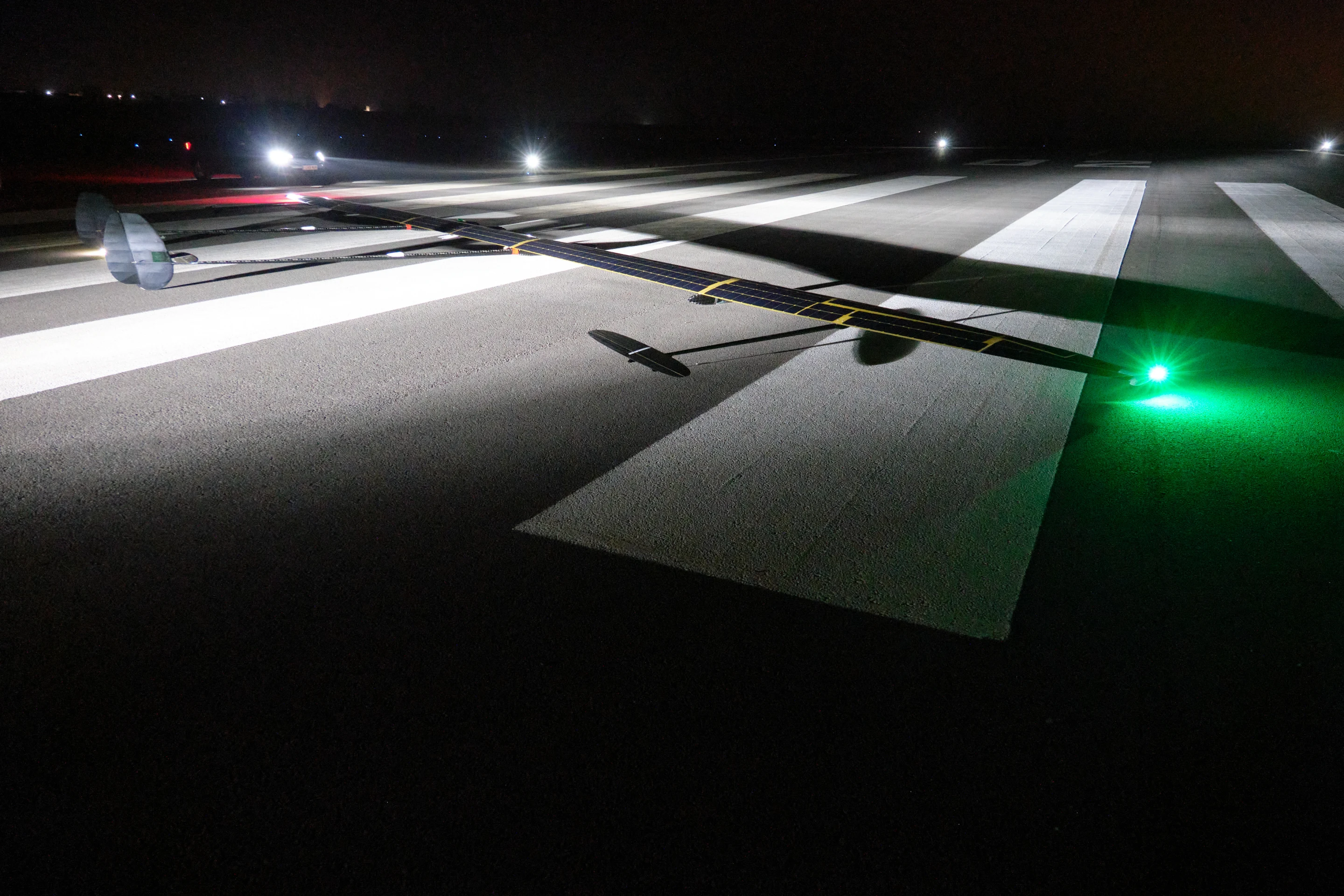
In contrast, ApusNeo is still in the stage of verifying flight altitude and endurance. However, its design also shows that solar-powered drones do not necessarily need to reach the highest stratospheric altitudes to play a practical role in areas such as forest monitoring, environmental observation and emergency communications.
UAVOS is currently cooperating with Mira Aerospace, a high-altitude platform company owned by Abu Dhabi's Space42, to prepare for ApusNeo's future actual missions, and plans to install more advanced mission loads on the aircraft.
If the 100-hour flight goal is finally achieved, it will mean that ApusNeo has made new progress in ultra-long-duration solar flight. For the future high-altitude drone industry, what is really important may not be just how high or far it flies, but whether it can stay over a certain area for a long time at extremely low energy costs, becoming a new aerial observation platform between satellites and traditional aircraft.
Comments