
Abstract:
China's largest DRAM memory chip manufacturer Changxin Memory (CXMT) faces market share growth pressure in the third quarter of 2026. As Samsung Electronics further expands its memory chip production capacity and the global storage market gradually tilts towards high-bandwidth memory (HBM), CX Memory's DRAM market share fell from 10% in the second quarter to 9%. However, compared with the same period last year, its market share still increased by 4 percentage points, showing that the company is still in the rapid expansion stage.
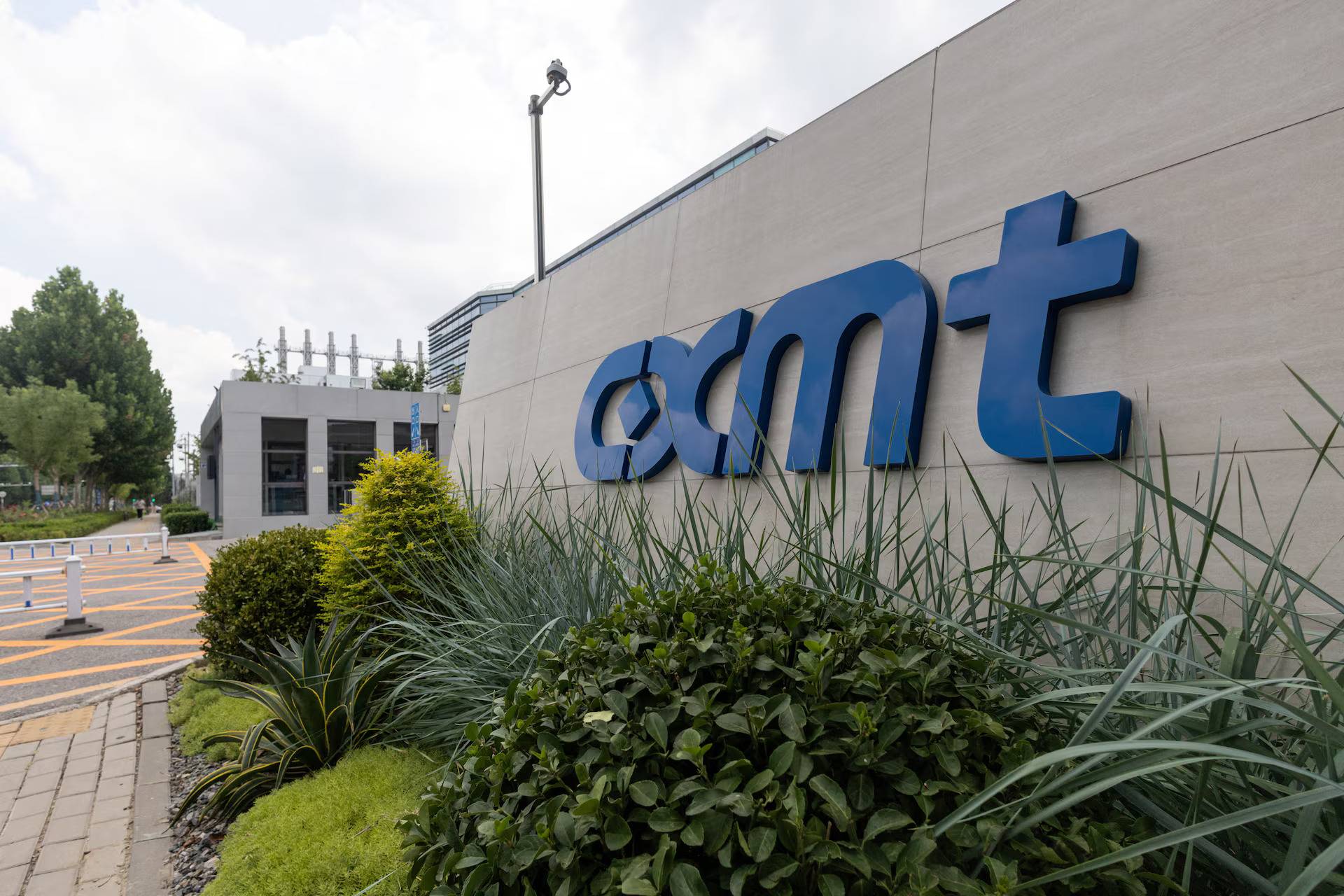
This data comes from market research firm Counterpoint Research. According to its latest report, the competitive landscape of the global DRAM market has changed significantly in the third quarter of 2026: Samsung Electronics re-expanded its lead with a revenue share of 38%, SK Hynix accounted for 29%, and Changxin Memory accounted for 9%.
Compared to the second quarter, Samsung's market share increased by 5 percentage points, while SK Hynix fell by 4 percentage points. Changxin Storage fell slightly from 10% to 9%.
This change is related to the structural adjustment taking place in the global memory market. The construction of artificial intelligence infrastructure continues to drive the growth of HBM demand, and major manufacturers such as Samsung and SK Hynix are actively adjusting production resources to meet the needs of the new generation of high-bandwidth memory. At the same time, the prices of traditional DRAM products are also rising rapidly, making the revenue performance of each manufacturer no longer entirely dependent on actual shipments.
Counterpoint data shows that in the third quarter of 2026, global DRAM industry revenue increased nearly five times year-on-year, but DRAM bit shipments only increased by about 4%. This means that the main factor driving the sharp growth in market revenue is not the surge in shipments, but the sharp increase in the average selling price of memory chips.
The report shows that the average selling price of DRAM reached US$1.9 per gigabit in the third quarter. Against the background of relatively tight supply and continued growth in demand for artificial intelligence servers, rising memory chip prices are significantly changing the industry's revenue structure.
Changxin Storage had previously shown very strong growth momentum. Counterpoint pointed out in its second-quarter report that the company’s quarterly revenue increased by 716% year-on-year, making it one of the fastest-growing DRAM manufacturers in the world. Its global DRAM revenue share reached 7% at the time, while Samsung's market share in August 2026 was approximately 39%.
The demand for domestic DRAM by local Chinese companies is an important driving force for the rapid growth of Changxin Memory. As Chinese server, personal computer and smartphone manufacturers increase domestic memory purchases, Changxin Storage has gained more market opportunities.
However, Counterpoint has previously pointed out that if Changxin Storage hopes to maintain the current growth rate, relying solely on China's domestic demand is not enough. It also needs to further expand production capacity and increase product penetration in domestic and foreign markets.
Currently, an important challenge facing Changxin Storage is the speed of capacity expansion. Compared with Samsung and SK Hynix, its overall production scale is still smaller, and the global DRAM market is entering a new round of demand growth cycle driven by artificial intelligence. Large manufacturers can prioritize meeting the market demand for HBM and server memory with higher profit margins by adjusting their production lines and product structures.
It is worth noting that the development of artificial intelligence is not only increasing the demand for HBM, but is also re-promoting the traditional DRAM market.
As AI agents (Agentic AI) gradually take on more complex tasks, the server system's dependence on the CPU is increasing again. Unlike early AI infrastructure that mainly relied on GPUs for large-scale parallel computing, AI agents that can autonomously plan, call tools, and perform multi-step tasks require the CPU to undertake more scheduling, data processing, and system management work.
At the same time, the ratio of GPUs to CPUs in server configurations is also changing. This ratio has now shrunk to about 2:1. Intel CEO Chen Liwu previously said on the company's second-quarter earnings call that this ratio reached 8:1 in the past and later dropped to 4:1.
The change in the ratio of GPU to CPU means that future AI data centers may not only need more HBM, but also need to increase the DRAM capacity of traditional servers to meet CPU, system operation and data processing needs.
This is of great significance to the entire DRAM industry. Although HBM has a higher technical threshold and product value, traditional DRAM is still an indispensable basic storage component for servers, personal computers and consumer electronics equipment. AI infrastructure expansion is impacting both markets simultaneously.
For Changxin Storage, the current market environment not only brings opportunities, but also increases competitive pressure. On the one hand, the increase in traditional DRAM prices will help improve corporate income and profitability; on the other hand, large manufacturers such as Samsung are expanding their production capacity, which may also compress the market share of other manufacturers.
It is particularly important to note that the decline in market share from 10% to 9% does not mean an absolute decline in Changxin Storage's revenue or actual shipments. Since the global DRAM market size, product prices and manufacturer revenue structure are all changing rapidly, changes in revenue share in a single quarter cannot be directly equated to changes in production capacity or technological competitiveness.
From a longer-term perspective, whether Changxin Memory can enter the first echelon of the global DRAM market still depends on advanced process research and development, production yield, production capacity scale and high value-added product layout. As the demand for artificial intelligence servers continues to grow, HBM will become an important area of competition for global storage manufacturers, and the traditional DRAM market will continue to be driven by the expansion of AI infrastructure.
Currently, Changxin Memory’s global market share is still significantly lower than that of Samsung and SK Hynix, but it has achieved significant improvement compared to the same period last year. In the next few quarters, as global memory prices, HBM capacity allocation, and China's local procurement needs continue to change, there will be new adjustments in the market share competition between the three manufacturers.
Comments