
Abstract:
Sceye, an American high-altitude platform company, recently completed a groundbreaking communication test. An unmanned high-altitude airship departed from New Mexico, USA, flew across the Pacific to Japan, and provided mobile communication services to ordinary smartphones in the stratosphere, about 16.5 to 17 kilometers above the ground. During the test, users can send text messages, make calls, access the Internet and watch videos through this "air base station" located 10,000 meters above the ground without changing their mobile phones or installing special hardware.
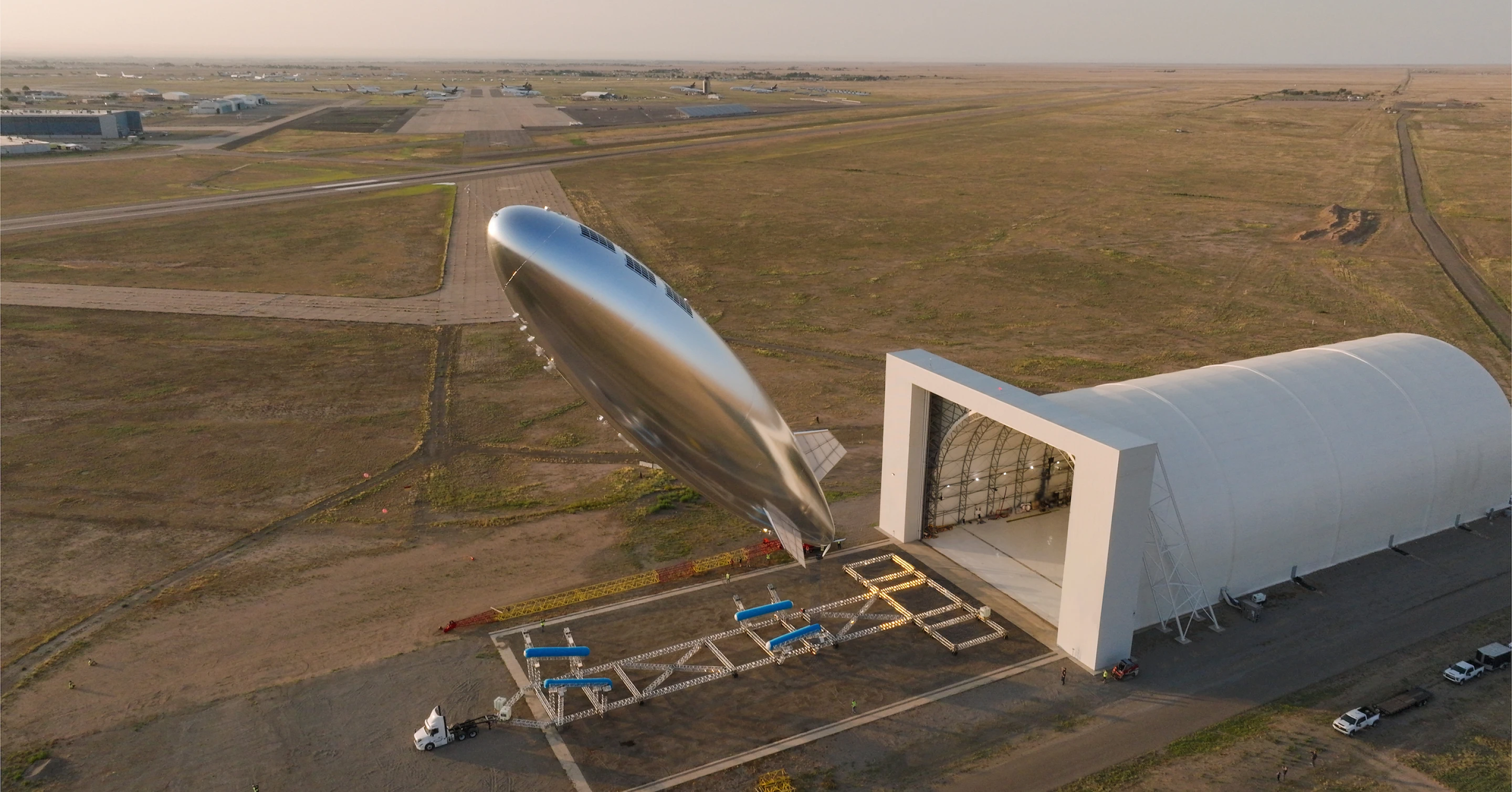
The mission, called Service Test 1 (ST1), took off from near Roswell, New Mexico, on August 9. The airship arrived in Japan 13 days later, operated in Japanese airspace for more than 7 days, and then returned to the United States. The entire round-trip journey was close to 30,000 kilometers. Sceye said that this mission is the company’s first time entering Asia to conduct actual communication tests, and it is also an important step in promoting the commercialization of the High Altitude Platform System (HAPS).
Sceye does not use an airplane in the traditional sense, but an unmanned airship that relies on buoyancy to lift off. It is equipped with a communication system called SceyeCELL, which is equivalent to a mobile communication base station placed in the stratosphere. The airship is powered by solar energy and batteries, can stay in the stratosphere for a long time, and form a controllable communication coverage area to the ground through an antenna array.
In this Japanese test, SceyeCELL provided services to ordinary mobile phones through Japan's SoftBank's core mobile communication network. The testers used unmodified mobile phones to conduct text messages, voice calls, Internet access and video playback. The test scenes included not only outdoor, but also under trees and indoor environments. This means that from the perspective of terminal equipment, users do not need to purchase so-called "satellite mobile phones" or additional communication terminals.
Sceye said that during the test, the airship flew at an altitude of approximately 16.5 to 17 kilometers, equivalent to 54,000 to 56,000 feet, which is much higher than the cruising altitude of most civil aviation aircraft. The airship is able to maintain a relatively stable position in a designated area, with a minimum dwell radius of approximately 5 kilometers during the test.
This technology is called HAPS, or High Altitude Platform System. It is located between traditional terrestrial communication networks and satellite communications. Ground base stations have the advantages of large capacity and low latency, but in areas with sparse population, complex terrain, or high infrastructure construction costs, it is not economical to lay a large number of base stations; satellites can cover a very wide area, but are very far from the ground, so there are limitations in terms of capacity, latency, and terminal power consumption.
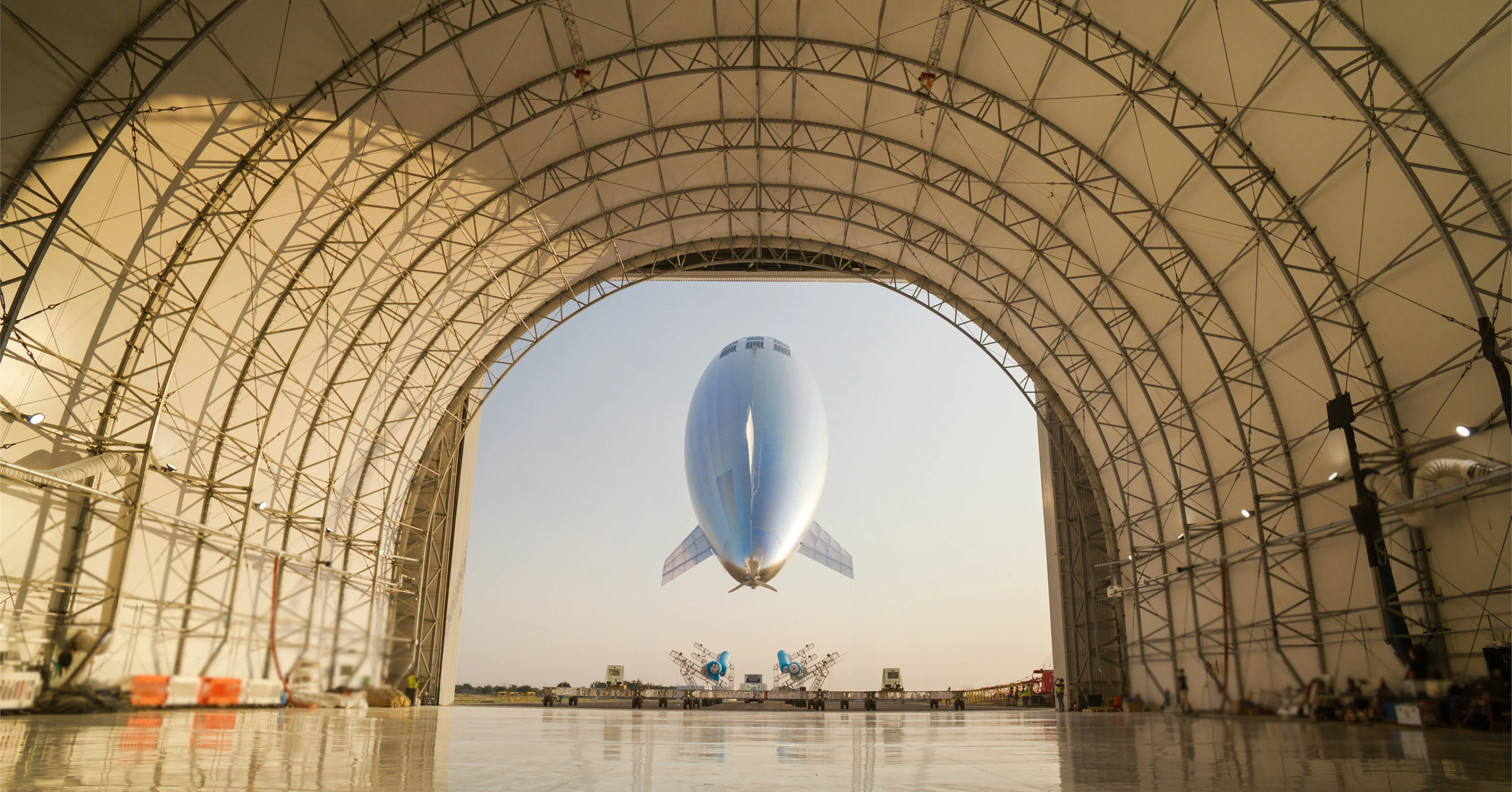
Sceye hopes to use its stratospheric location to fill the gap between these two communication methods. The company estimates that a fully deployed Sceye HAPS platform can cover an area equivalent to approximately 500 ground base stations. However, Sceye emphasized that this number represents coverage, not network capacity, nor can it be understood as the number of users that an airship can accommodate 500 base stations at the same time. Actual network capacity is still affected by factors such as available spectrum, backhaul links, and the number of simultaneous online users.
There is another technical detail that deserves special attention in this test, that is, Sceye not only sent the communication antenna to the stratosphere, but also put some of the "core" of the mobile communication network and servers on the airship.
Under traditional communication methods, mobile phone data usually needs to pass through a wireless network and then be connected to a remote data center or Internet server through a terrestrial network. In this test, Sceye and SoftBank deployed servers and some core mobile network functions directly on the airship, so that the data can be partially processed on the high-altitude platform and then returned directly to the user's mobile phone.
Data released by Sceye shows that this edge computing method achieves an average response time of 68 milliseconds. Compared with processing through remote Internet infrastructure, the delay is reduced by more than 40%. The company believes that this approach is particularly valuable for future applications such as AI computing, real-time communications, and drones.
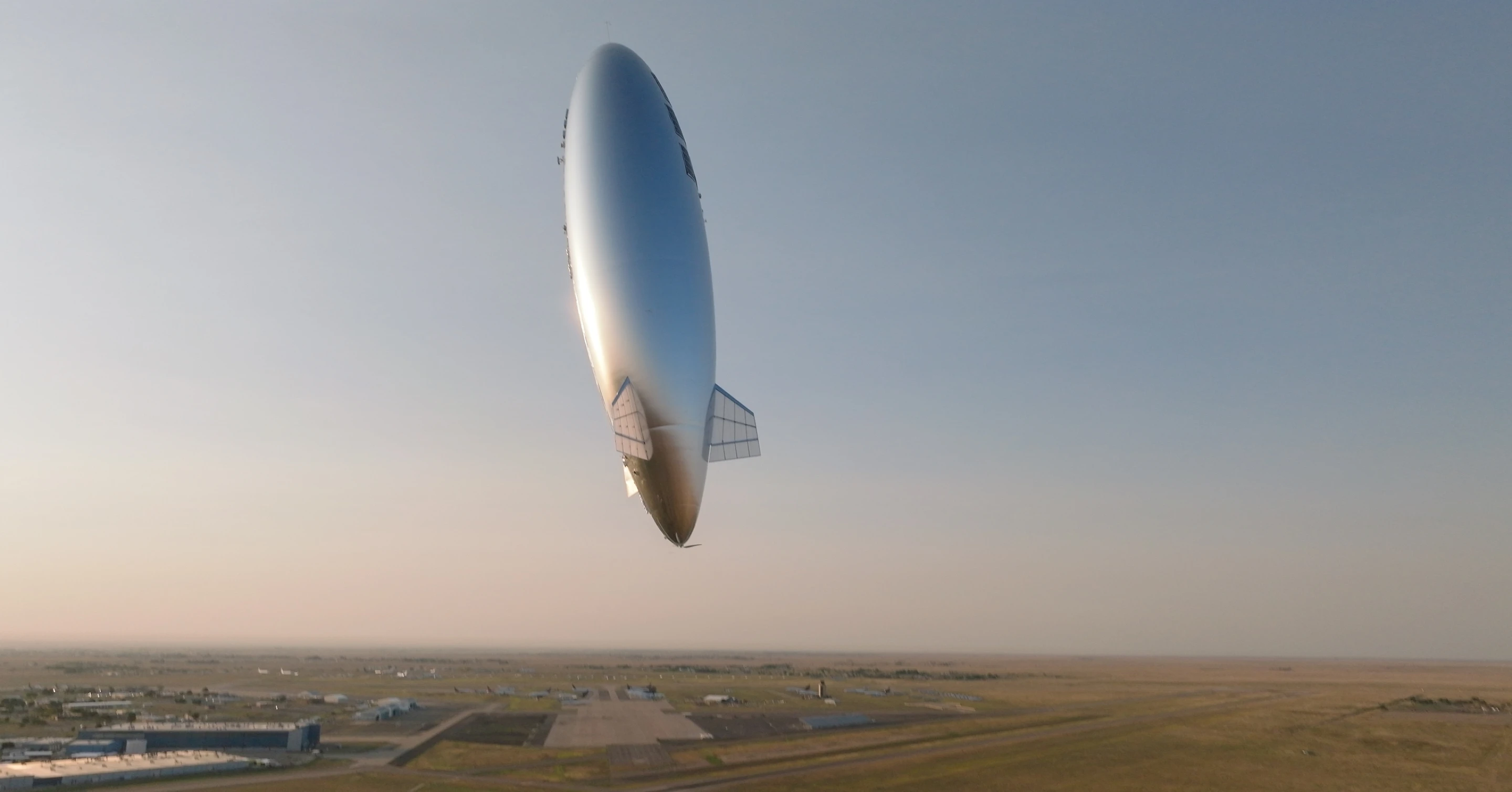
This mission also tested disaster warning communications and drone communications capabilities. Sceye believes that HAPS can not only supplement conventional mobile communication networks, but also quickly provide temporary communication coverage when earthquakes, floods, wildfires and other disasters cause damage to ground communication infrastructure.
Compared with traditional satellites, Sceye hopes that HAPS will become a "middle layer" closer to the ground. The company's long-term goal is to form a three-dimensional communication network with ground base stations, stratospheric platforms and satellites. Under this architecture, the ground network is mainly responsible for areas with high population density, HAPS is responsible for areas where it is difficult to build ground base stations but there are still many users, and satellites continue to undertake the coverage task of ultra-large range and extremely remote areas.
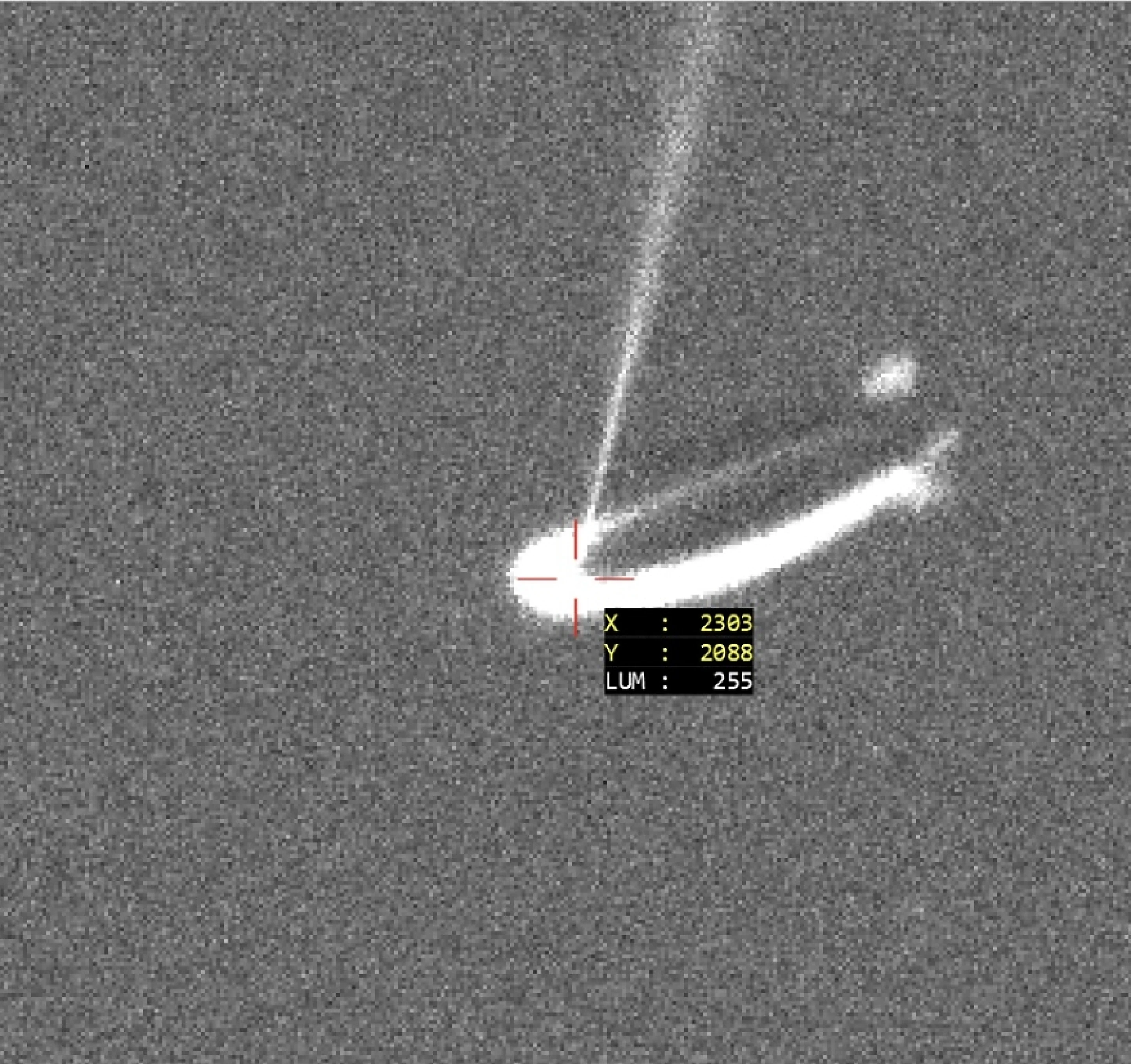
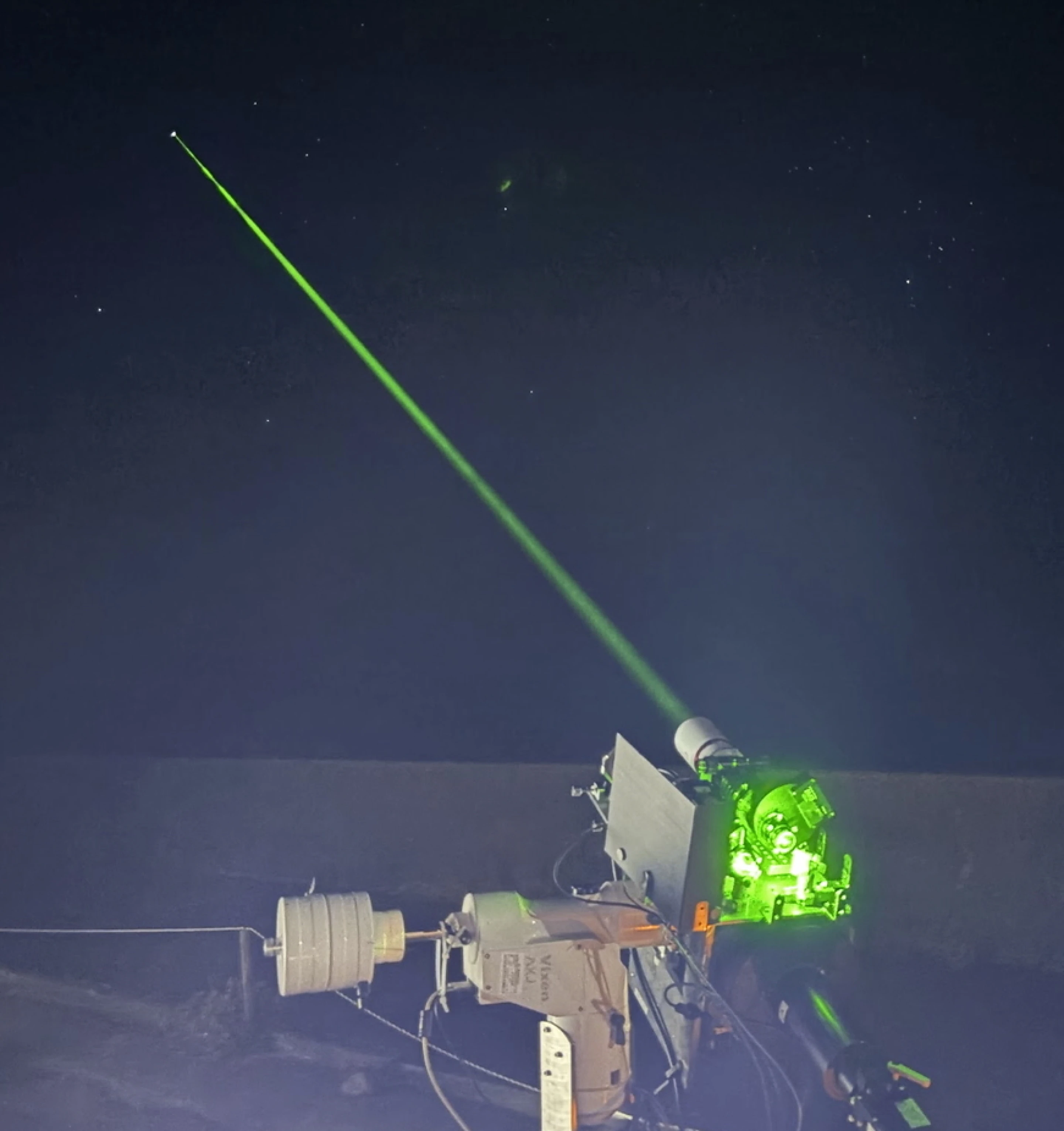
This test also conducted laser communication-related experiments for the first time. Japan's SoftBank, Hitotsubashi University and Japan's National Polar Research Institute fire laser pulses at the airship. The airship carries a reflector designed by the research institution and continues to return the reflected light back to the ground. The researchers hope to use this data to further investigate how stratospheric platforms and satellites may be connected via optical links in the future.
If HAPS can be connected to satellites through lasers in the future, data can be transmitted at high speed between satellites and stratospheric platforms, and then directly sent from airships closer to the ground to ordinary mobile phones. Sceye envisions using lasers for high-speed data transmission when the weather is clear, and switching to radio links when weather conditions such as cloud cover affect optical communications.
Of course, Sceye is not the only company developing HAPS communication technology. AALTO, a subsidiary of Airbus, is developing the solar-electric Zephyr high-altitude drone, AeroVironment and SoftBank are also developing the solar-powered flying wing platform Sunglider, and the British Stratospheric Platforms is testing a hydrogen-powered high-altitude platform.
Sceye’s main advantage of using an airship structure is its load capacity. Compared with high-altitude drones that rely on their wings to generate lift, buoyant airships can theoretically carry larger antenna arrays and more communication equipment. Sceye therefore hopes to build high-altitude airships into a communications infrastructure that can stay for a long time and cover a large area.
Currently, Sceye has not announced the specific tariffs, coverage and user capacity of the final commercial service, nor has it given a complete cost comparison with existing satellite Internet services such as Starlink. However, SoftBank has stated that it hopes to gradually promote commercial HAPS services in Japan starting in 2027.
If subsequent commercialization can proceed smoothly, users may not need to know whether they are connected to a ground base station, a satellite or a stratospheric airship in the future. Mobile phones still use ordinary cellular communication methods, and in areas where traditional base stations are difficult to cover, an unmanned airship more than ten kilometers above the ground may become a temporary or long-term "air base station."
From the perspective of the development path of communication infrastructure, the real significance of HAPS is not to replace ground base stations or satellites, but to add a new network layer between the ground and space. For remote areas, maritime routes, disaster areas, and areas that need to quickly restore communications, this kind of communication platform that can stay in the stratosphere for a long time while directly serving ordinary mobile phones may become an important part of future non-terrestrial networks.
Comments