
Abstract:
Russian President Vladimir Putin recently publicly praised American entrepreneur and SpaceX CEO Elon Musk, calling him a "real genius." The background of Putin's statement is that Russia is promoting the construction of its own low-orbit satellite Internet system, and Musk's Starlink has deployed large-scale satellite networks around the world. Russia is still in the catching-up stage.
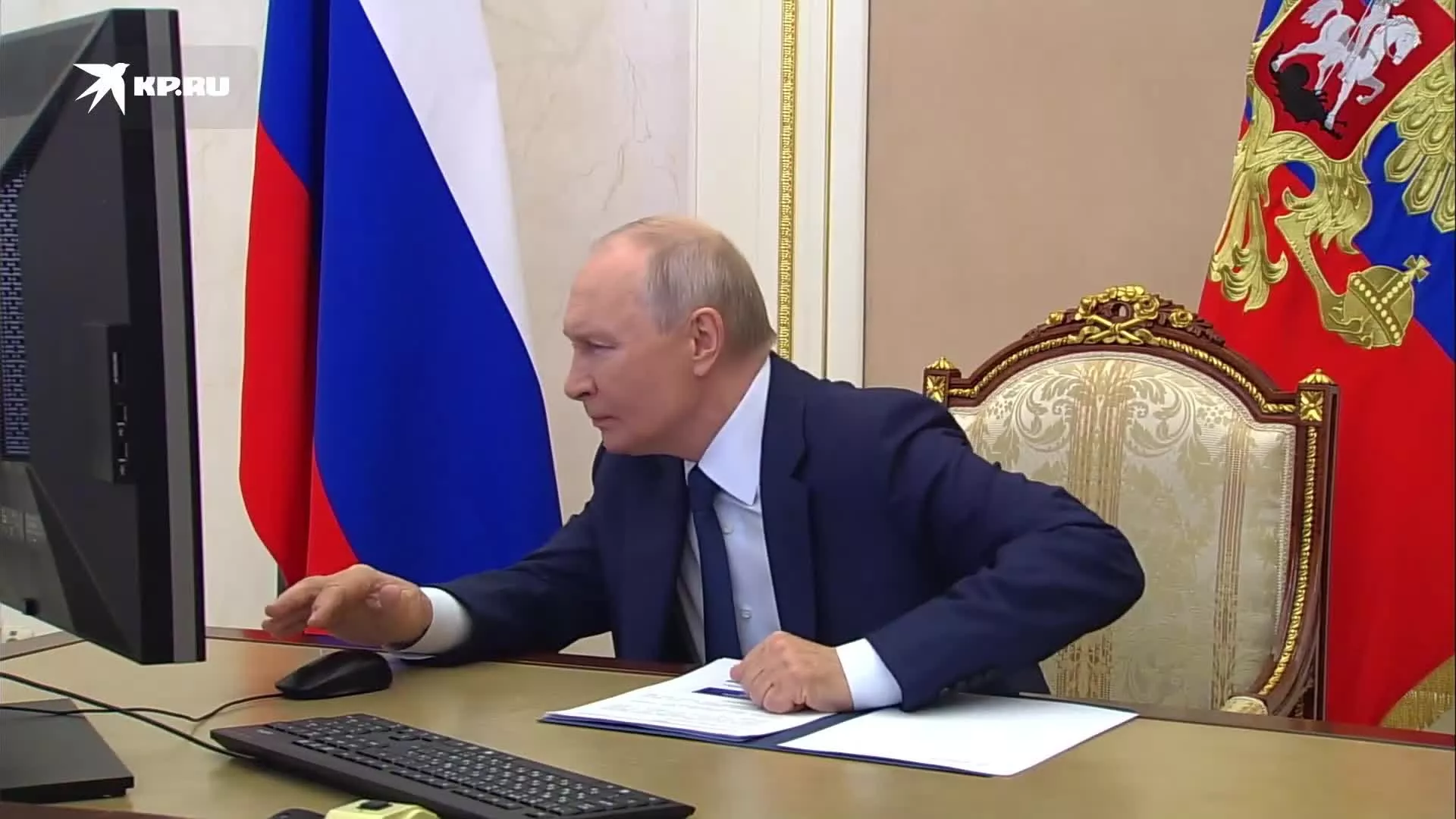
According to reports, Putin listened to an introduction about the country’s satellite Internet project by Maksut Shadayev, Russia’s Minister of Digital Development, Communications and Mass Media, while attending activities related to the Russia-Africa Summit in Moscow on October 28, local time. Shadayev said that Russia has launched more than 30 related satellites and is building a low-orbit satellite communication system that can compete with Starlink.
When listening to the report, Putin specifically mentioned Musk's achievements. He said that Musk has put more than 5,000 satellites into orbit, and Russia has just taken the first step. Putin said: "Musk is a genius, a true genius." He also said that Russia is proud to carry out this project independently, and next needs to promote the transformation of the system from focusing on quality to expanding quantity.
However, data from independent satellite tracking agencies show that the number of Starlink satellites currently in orbit is actually close to 10,000, far exceeding the 5,000+ satellites mentioned by Putin in his speech. This also reflects that there is still a clear gap between Russia and SpaceX in the scale of low-orbit satellite networks.
Starlink is a satellite Internet service developed by SpaceX. It deploys a large number of satellites operating in low Earth orbit to provide broadband connections to areas where traditional ground communication networks are insufficiently covered. Compared with traditional geosynchronous orbit communication satellites, low-orbit satellites are closer to the ground, can reduce signal transmission delays, and achieve wider regional coverage through large-scale satellite networking.
Russia has long hoped to establish its own satellite Internet system to serve both civilian communications and military communications needs. As the importance of low-orbit satellite networks continues to rise in global communications and defense fields, Russia hopes to reduce its reliance on foreign communications infrastructure through independent research and development and launch of satellites.
Putin also said in his speech that Russia is maintaining close contact with its U.S. partners, including Musk. He emphasized that in space activities, all parties must avoid mutual interference and maintain a certain degree of discipline and order. This statement shows that despite the ongoing political and security conflicts between Russia and the United States, there are still areas that require communication between the two sides on practical issues such as satellite operations and orbit coordination.
Putin’s praise of Musk this time also coincides with Starlink’s role in the Russia-Ukraine conflict once again causing controversy. The Ukrainian military has long relied on Starlink and its military-related services Starshield for frontline communications, drone operations and logistics coordination. Since Russia itself lacks a comparable-sized low-orbit satellite Internet network, Starlink has become one of the important technical factors affecting battlefield communication capabilities.
Earlier this month, Ukraine reported connection problems with Starlink-related services, which affected some military operations. The restrictions reportedly concern how the Ukrainian military uses satellite networks. Musk accused the Ukrainian military of violating Starlink's terms of service by using the system for offensive drone operations. Neither Musk nor the U.S. government has admitted responsibility for the connection restrictions. By late this month, Ukraine said Starlink and Starshield services had returned to normal operations.
This incident further highlights the strategic significance of commercial satellite Internet in modern warfare. Unlike traditional military communication systems, Starlink is operated by private companies, and its service scope and conditions of use are affected to a certain extent by corporate decisions and related policies. This means that countries and militaries that rely on commercial satellite networks need to face the risk that communication services may be restricted.
For Russia, building an autonomous low-orbit satellite network is not only a communications technology project, but also an important measure to enhance national strategic autonomy. However, to reach the scale of Starlink in terms of number of satellites, launch frequency, ground terminals, network coverage and service capabilities, continued investment in funds, R&D resources and launch capabilities is still required.
Putin has expressed interest in working with Musk through Russian officials in the past. This public praise of Musk and emphasis on maintaining contact between the two parties in the space field once again shows that Russia not only hopes to develop its own satellite communication system, but also recognizes the leading progress SpaceX has made in the field of low-orbit satellite Internet.
From the perspective of the development of the global satellite communications industry, the large-scale deployment of Starlink is raising the competitive threshold of low-orbit satellite networks. Although Russia has launched relevant projects, it still needs to go through a long-term construction process to establish an autonomous system that can cover a wide area, provide stable services, and meet military needs. Putin’s speech not only affirmed Musk’s technical achievements in the field of satellite Internet, but also reflected that Russia is trying to accelerate the pace of catching up in this emerging strategic technology field.
Comments