
Abstract:
On October 30, according to Reuters, four officials familiar with the matter revealed that the U.S. Department of Defense is investigating the incident in August this year of abnormal freezers at several U.S. military bases, causing food to spoil, as a suspected cyber attack. U.S. investigators have also contacted France to learn about similar freezer attacks that have recently occurred in France.
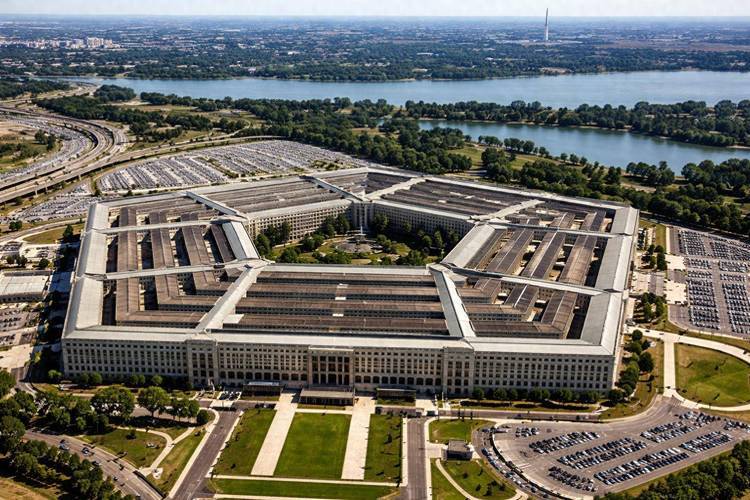
At present, there is no public conclusion as to whether the incident was indeed caused by a hacker attack and who the attacker might be. Reuters was also unable to confirm the progress of the investigation. The Pentagon responded by saying that a unit under U.S. Cyber Command was working closely with interagency and law enforcement partners, but did not disclose further details.
The U.S. Army Criminal Investigative Service confirmed that its Office of Cyber Investigation is involved in the investigation and is working with French law enforcement to learn more about the refrigeration equipment failures that occurred in Europe.
Reuters reviewed Facebook posts and website announcements issued by US military bases at the time and found that at least six base military supermarkets experienced freezer failures in late August. This type of supermarket is mainly used by military personnel to buy food. In at least one incident, the temperature of a refrigeration unit was turned up overnight, and staff found large amounts of wilted or melted food the next day.
The Fort Huachuca base in Arizona explained on Facebook on August 26 that the supermarket freezer entered defrost mode, causing the food inside to heat up, and emphasized that the food had indeed deteriorated.
The freezer anomaly and its possible involvement in network sabotage were first reported by the blog Signal and Silence on August 28. Since then, "Stars and Stripes" and the British "Daily Telegraph" respectively disclosed the involvement of military investigators and the contact between the United States and France. Reuters disclosed for the first time that the United States is handling these incidents as suspected hacker attacks.
Recent attacks in France provide a similar example. The temperature control systems of commercial refrigeration equipment in more than 350 business premises were tampered with, a large amount of frozen food spoiled, and supermarkets had to clear relevant shelves. The temperature of some equipment was adjusted too high, even causing fires. A supermarket operator previously estimated that the losses across France may reach tens of millions of euros.
The French incident is similar to the situation at the Fort Huachuca base, in that the temperature inside the equipment increased. However, the report did not confirm whether the incidents between the two countries were related.
Many of the affected devices in France use controllers from Danish company Danfoss. Danfoss previously said that many equipment models are outdated or still running old versions of firmware, which may facilitate hackers. Reuters was unable to confirm which brand of freezer controllers were used at the affected US military bases, and Danfoss did not respond to a request for comment.
There is precedent for network sabotage targeting refrigeration equipment. Danfoss has disclosed that in 2022, some supermarkets in Russia and Israel using its old version of cold storage controllers were hacked or attempted intrusions. U.S. federal prosecutors also charged a Ukrainian woman in December last year with participating in a hacking gang that allegedly sabotaged the refrigeration system of a meat processing plant in 2024, causing more than 2,000 pounds and about 907 kilograms of meat to spoil.
Bill Moore, CEO of Xona Systems, an industrial network security company, said that this type of controller was originally designed as an independently operating device interface and was maintained by technicians on site, but now it is increasingly connected to the Internet. If compromised, refrigeration systems could directly impact the food supply chain.
Comments