
Abstract:
South Korean consumer electronics giant LG Electronics has officially responded to recent privacy accusations that have been widely circulated in the Internet and technology communities. It firmly denies claims that it operates more than 216 million "spy TVs" worldwide and uses them to snoop on user privacy. LG emphasized that the data collected by its smart TVs is only used to improve user experience, provide personalized recommendations, and follow industry-standard content identification services. All data processing processes strictly comply with relevant laws and regulations, and provide users with completely independent unsubscribe and shutdown options.
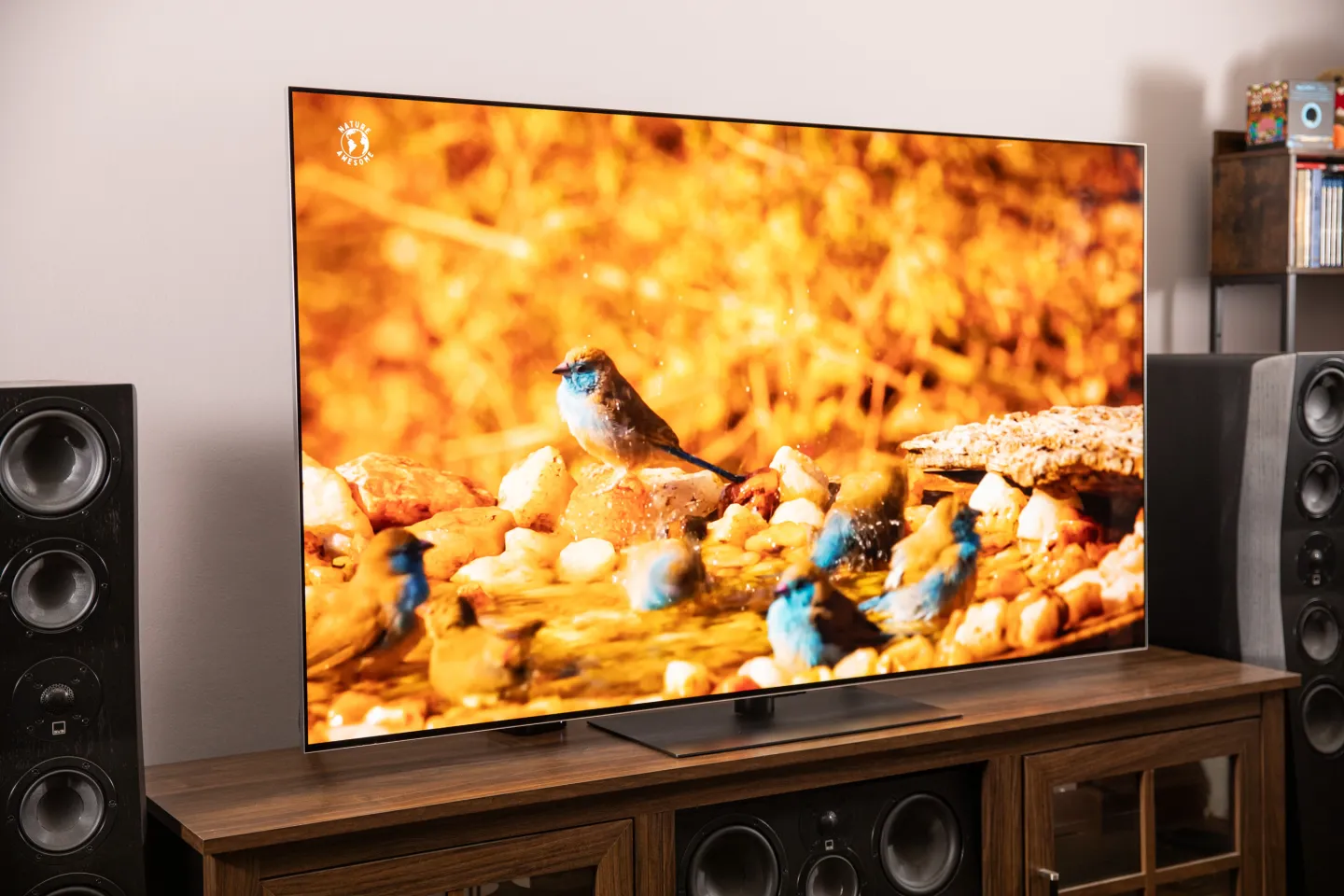
This public opinion storm stems from recent reports by many technology blogs and independent security researchers on the data collection mechanism of smart TVs. Related content pointed out that LG has widely deployed automatic content recognition (ACR) technology and supporting telemetry tracking tools in its approximately 216 million active smart TVs equipped with the webOS system around the world. It not only records users’ viewing history and application usage habits, but also analyzes the picture characteristics of external devices connected to the HDMI interface in some scenarios. This has described this huge network of hardware devices as a "family spy network" of unprecedented scale, triggering panic among a large number of consumers and criticism from privacy activists.
Faced with the intensifying public opinion fermentation, LG officially issued a statement clarifying the boundaries and compliance of its data collection. LG said that the "spy TV" statement is a serious misunderstanding and exaggeration of its product functions and service terms. Officials pointed out that data interaction technology, including automatic content recognition, is a common standard practice in the global smart TV industry, aiming to provide users with accurate program recommendations, streaming media flow optimization, and support the operating ecology of the Free Advertising TV Streaming (FAST) channel LG Channels. LG particularly emphasized that the company has set up a clear and transparent user agreement and privacy choice terms in the initial power-on settings of the device and subsequent system updates. Users are completely free to choose to refuse to turn on relevant functions, and even if data tracking is turned off, the core audio and video playback and basic streaming media application functions of the TV will not be subject to any substantial restrictions.
In addition, LG further explained data security and sensitive information protection in its statement. The company insists that all telemetry data transmitted and stored through TV networks is strictly de-identified, anonymized and desensitized, and that specific viewing behavior will never be associated with consumers’ real names, physical home addresses or sensitive private payment information. At the same time, all data channels are transmitted using modern industry standard end-to-end encryption protocols to prevent data from being intercepted or eavesdropped by unauthorized third parties during the flow process.
Consumer technology and cybersecurity legal experts pointed out that the public backlash LG has encountered reflects consumers’ growing trust deficit in the “soft monetization” model of smart home hardware. In the context of the continuous compression of profit margins from traditional hardware sales, mainstream TV manufacturers have generally turned to the logic of "software and service platforms" in recent years, focusing on system advertising push, data portrait monetization and streaming media distribution. Although manufacturers usually have lengthy end-user license agreements (EULA) as a legal shield at the compliance level, the highly intrusive tracking options checked by default, obscure privacy terms, and complicated exit menus often make ordinary consumers feel passive and uneasy. If hardware manufacturers cannot further improve the transparency of data collection and simplify the user's voluntary exit process, the trust crisis and regulatory scrutiny surrounding smart TV's "cross-border collection of privacy" will continue to be staged in this type of ecosystem.
Related articles:
LG smart TVs have serious privacy and security risks. LAN devices can be spied on and ambient sounds can be recorded
Comments