
Abstract:
Sony officially updated its high-end Walkman digital music player product line, launching new members of the Signature Series series NW-WM1ZM3, NW-WM1AM3, and the relatively user-friendly NW-ZX900. The new product has been upgraded around audio circuits, body materials, digital signal processing and user experience, and continues to target music lovers and audiophiles who have higher requirements for portable sound quality.
Among them, the flagship model NW-WM1ZM3, which uses a gold-plated oxygen-free copper body, has a suggested retail price in the United States of US$5,899, once again setting a new price level for portable digital music players.
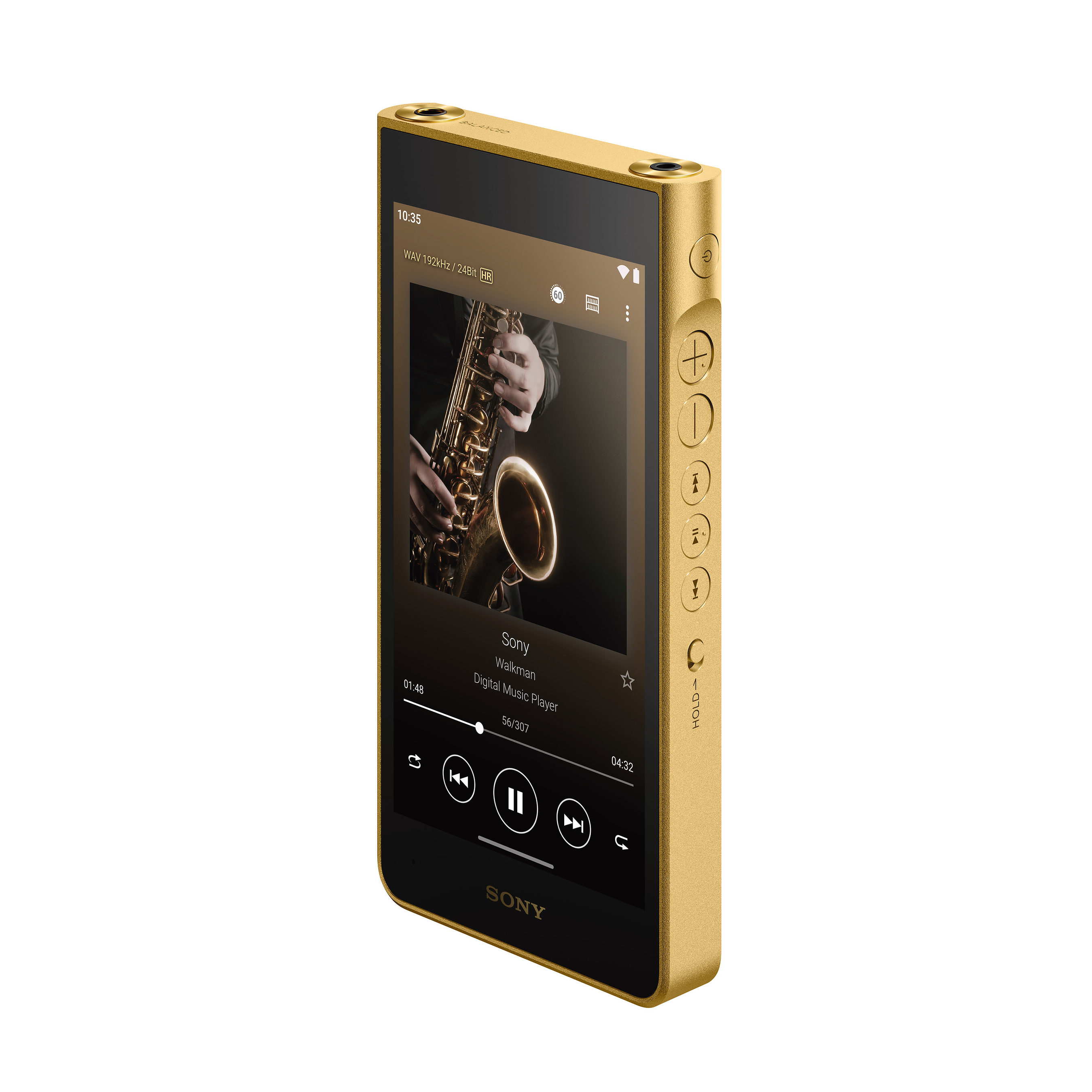
Sony announced these three new products on October 15, 2026. The company said that the new generation of Walkman is designed to more fully restore the original intention of music creators. By upgrading the hardware, software and operating experience, users can hear more performance details while maintaining sound clarity, dynamic range and overall performance.
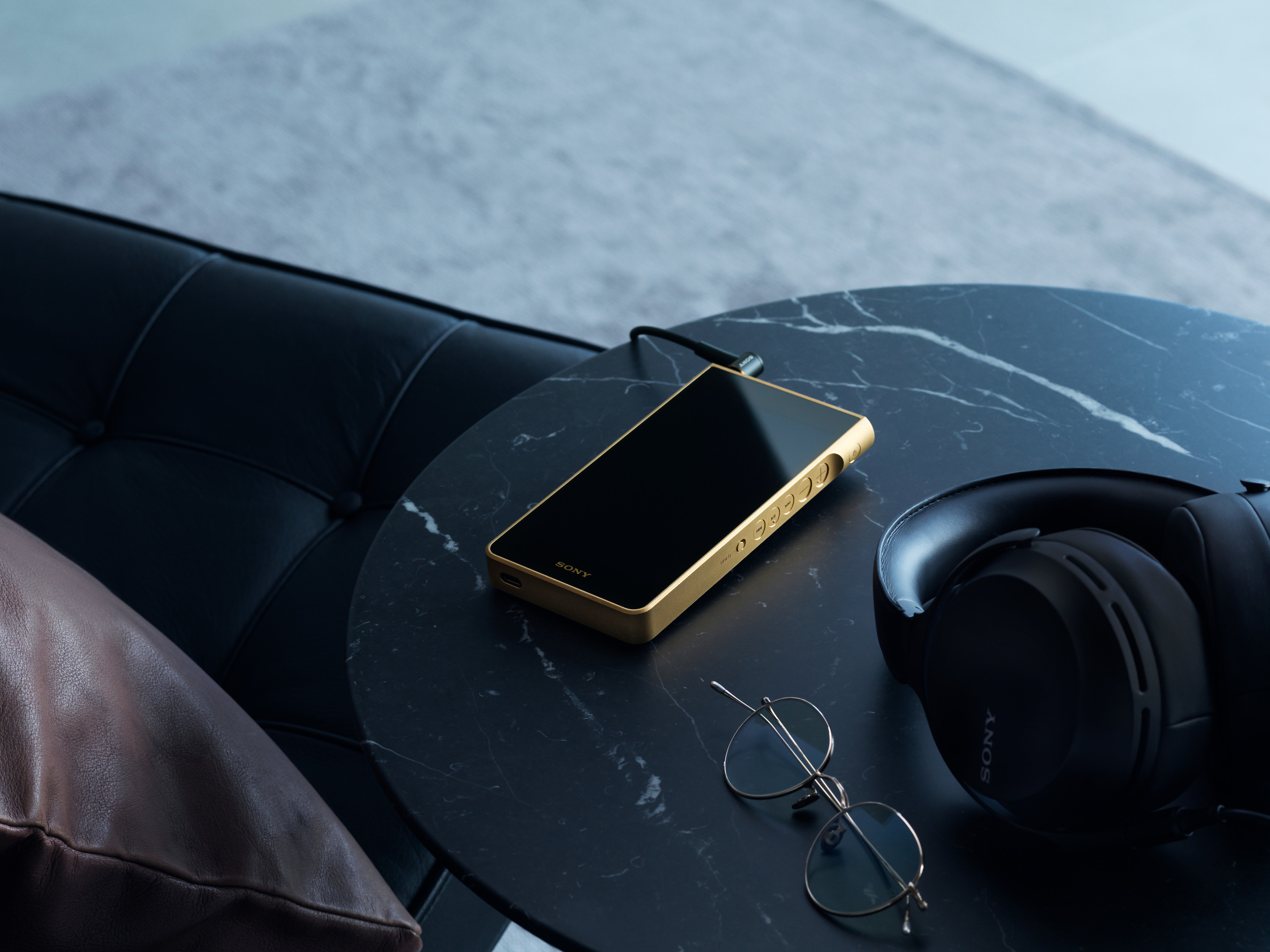
All three players use Sony's independently developed S-Master HX digital amplifier technology and support native DSD format, balanced output and high-power output. The new generation of S-Master HX also introduces forward-looking noise shaping technology, which improves the response performance of fast transient signals by predicting quantization noise in advance and processing it accordingly. Sony hopes to use this to improve the clarity and transient performance of the sound, so that subtle changes in the music can be more fully presented.
The three new products are also equipped with Sony's DSD resampling engine, which can resample PCM audio into an 11.2MHz DSD high-frequency signal stream. Sony believes that this processing method can bring a listening experience closer to analog audio. The update also enables the engine to be used when playing music streamed over Wi-Fi, rather than just playing locally downloaded audio files.
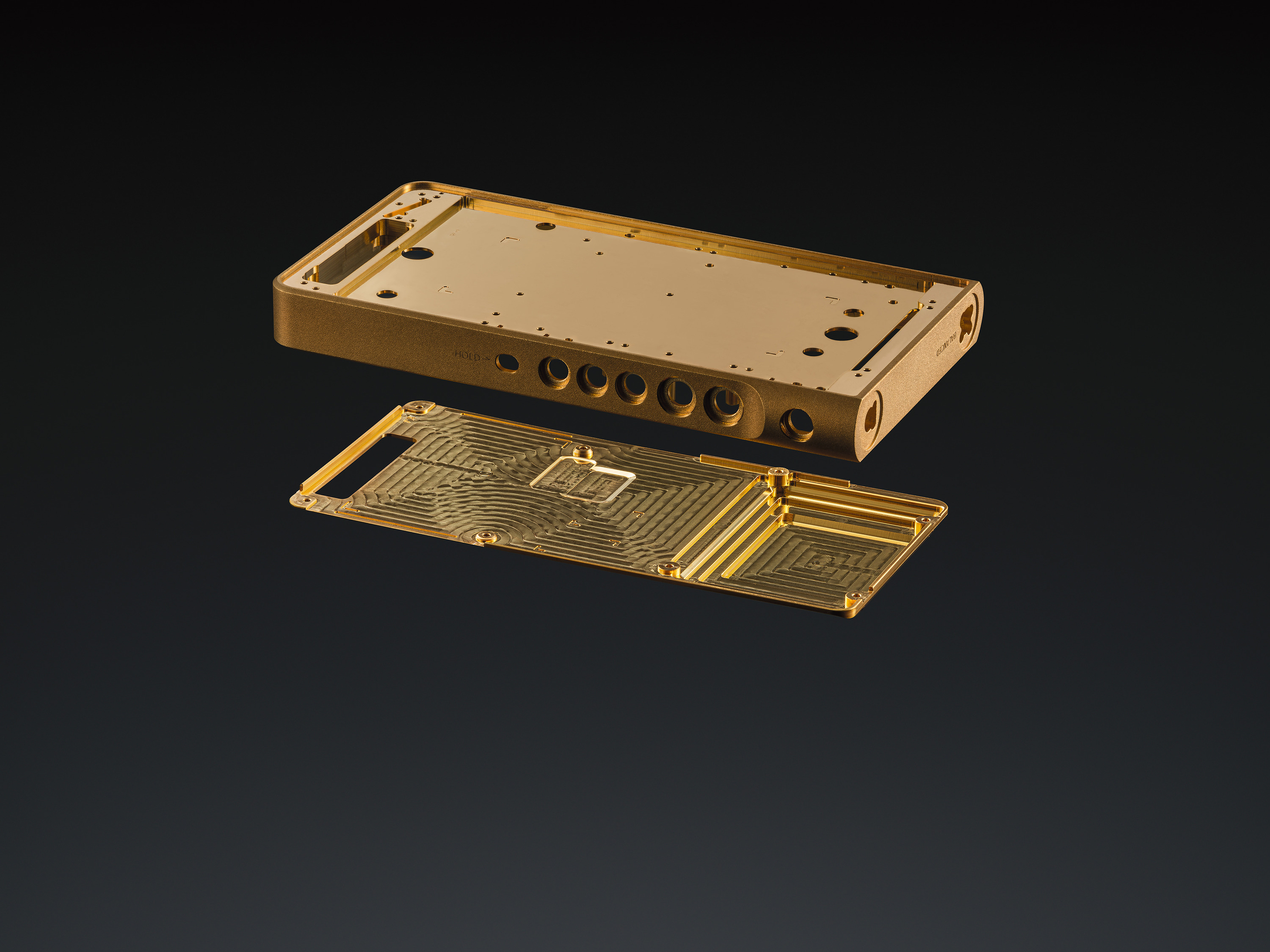
In the field of high-end audio equipment, body materials and internal circuit design are often the focus of manufacturers. Sony pays special attention to the application of oxygen-free copper materials this time, and uses different body structures and audio component combinations for different models to distinguish flagship products from mid-to-high-end models.
The flagship model NW-WM1ZM3 uses a precision-machined gold-plated oxygen-free copper body. Its main body uses 4N grade oxygen-free copper with a purity of 99.99%, and is equipped with an oxygen-free copper back cover. The body is secured with specially designed low-resistance gold-plated screws to establish a stable ground connection. Sony says this design helps reduce interference and improves low-frequency performance, sound field width, and high-frequency extension.
NW-WM1ZM3 also uses KIMBER KABLE cable derived from Sony's DMP-Z1 high-end digital music player. Sony says these thicker internal wires can further reduce noise and maintain signal integrity, resulting in richer sound details.
In contrast, the NW-WM1AM3 uses an aluminum alloy body and is equipped with a gold-plated oxygen-free copper back cover. This structure controls the cost and weight of the fuselage while still retaining the material design of some high-end models. Both WM1 series players have upgraded their power circuits, replacing one large solid polymer capacitor previously used with two large solid polymer capacitors, with hand-welded oxygen-free copper wires to improve power supply stability.
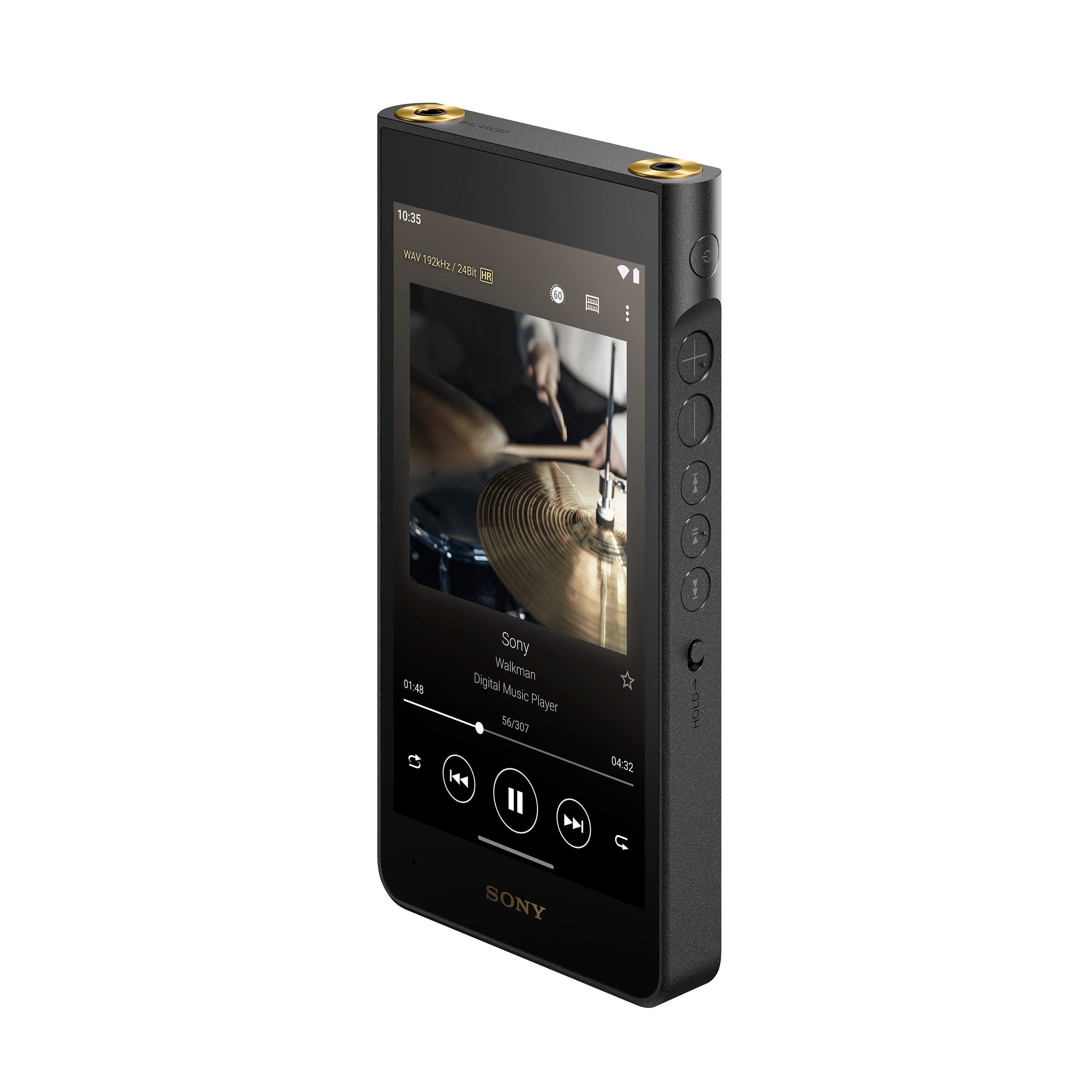
Sony also upgraded the copper coil in the low-pass filter circuit for the WM1 series. The new coils are made of high-purity 4N copper and use flat wires to reduce resistance and distortion. The oxygen-free copper processing parts covering the digital circuit area have also been redesigned, and their quality is increased by approximately 34% compared to the previous generation. Sony says this helps to further reduce noise and improve the clarity and layering of sound.
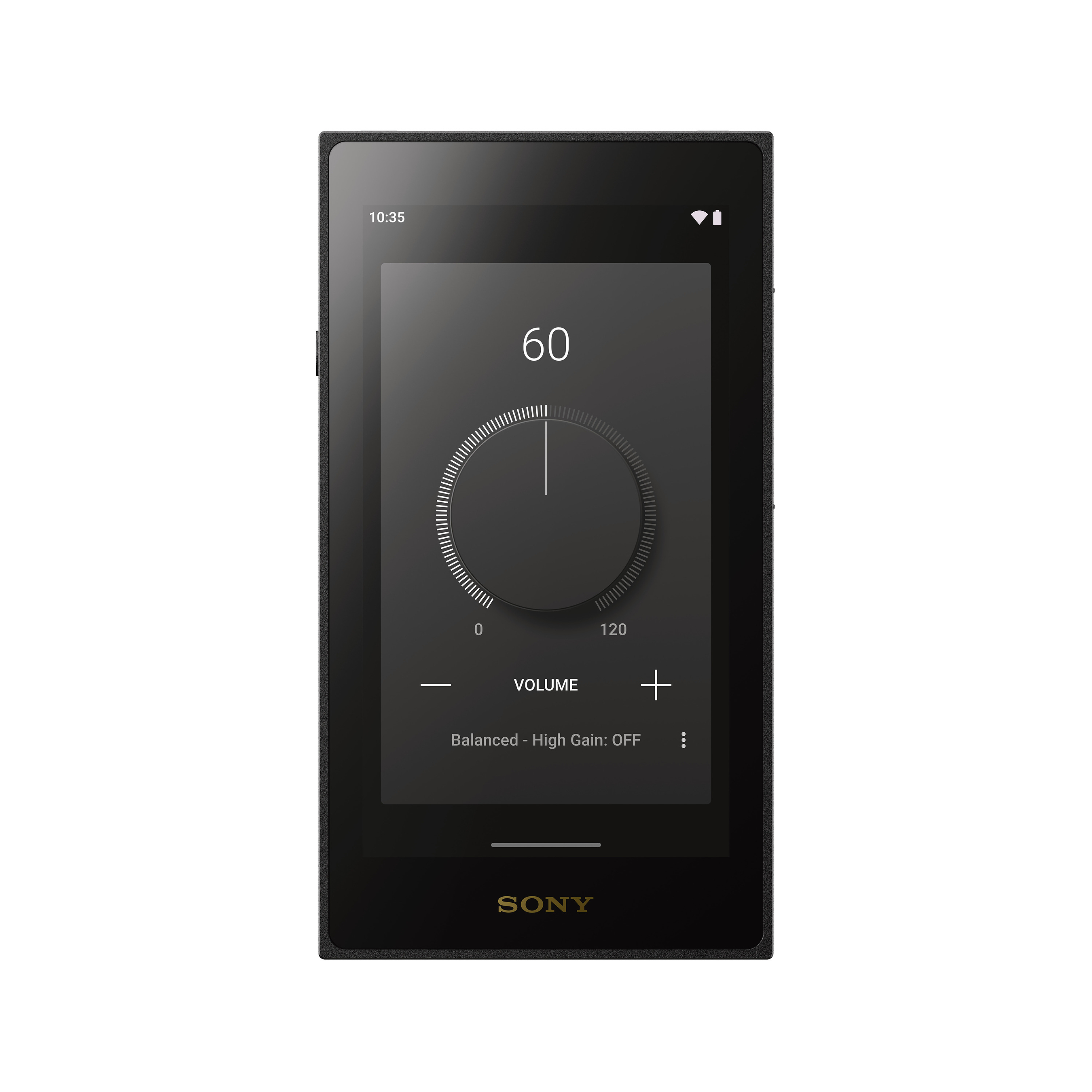
The lower-positioned NW-ZX900 also inherits the audio technology of some flagship products. It features an aluminum alloy body with a gold-plated oxygen-free copper back cover, and is equipped with an ultra-low-noise low-dropout voltage regulator and the same crystal oscillator as the high-end model. Sony hopes to improve the sound performance through these components, while allowing the ZX series to continue to be another high-end option in addition to the WM1 flagship series.
In terms of display, both NW-WM1ZM3 and NW-WM1AM3 are equipped with 5.5-inch screens, which is further larger than the previous generation. NW-ZX900 is equipped with a 5-inch screen. The new machine also improves the Walkman home screen interface, allowing users to customize it to a certain extent according to personal habits, and presenting music information with larger and clearer album covers.
In terms of battery life, when using Sony's native music player and playing 128kbps MP3 files through a balanced interface, the two WM1 series players can play continuously for up to 35 hours; when using streaming media services, the official maximum battery life is 31 hours. The NW-ZX900 has longer battery life, up to 40 hours when playing 128kbps MP3 files locally, and up to 35 hours when using streaming applications.
It should be noted that these numbers come from test conditions specified by Sony and do not mean that the same results can be achieved in all usage scenarios. Actual battery life will be affected by volume, playback format, network connection, screen usage and other settings, and battery capacity will gradually decrease over time.
In terms of price, the positioning differences between the three products are very obvious. The NW-WM1ZM3 has a suggested retail price in the United States of $5,899, the NW-WM1AM3 is $2,999.99, and the NW-ZX900 is $1,899.99. All three products have begun accepting pre-orders at some authorized retail channels in the United States.
Among them, the price of NW-WM1ZM3 is particularly eye-catching. US$5,899 is not only much higher than ordinary portable players, but has also entered the price range of high-end audio equipment. For ordinary consumers, this price is obviously difficult to accept; but for audiophiles who pursue specific audio design, fine manufacturing processes and high-end portable devices, Sony obviously hopes to establish its brand technology and product image through flagship products.
However, expensive materials and complex circuit design do not mean that every listener can obtain a subjective listening experience improvement that matches the price. The actual effect of the oxygen-free copper body, power circuit and internal wires still needs to be judged based on objective testing, headphone matching and personal listening preferences. For buyers, output power, noise and distortion performance, headphone compatibility, system operating experience, and streaming media support are all factors that deserve more comprehensive consideration than pure material specifications.
In addition to audio performance, Sony also emphasized the environmental improvements of the new products. The packaging materials for the three players do not use plastic, reflecting Sony's efforts to reduce the environmental impact of product packaging. However, Sony noted that specific packaging designs may vary by region, and materials such as coatings and adhesives are not included in this statement.
This update shows that Sony is still willing to continue investing in the high-end portable audio equipment market. While smartphones have become the primary means of listening to music for most people, dedicated digital music players still retain a loyal following thanks to their independent audio circuitry, balanced headphone jacks, physical device experience, and support for high-resolution audio.
The launch of NW-WM1ZM3, NW-WM1AM3 and NW-ZX900 has further widened the price and positioning gap between Sony's high-end Walkman product lines. The flagship model emphasizes ultimate materials and circuit design, the middle model attempts to balance high-end audio configuration and body cost, while the ZX900 inherits some flagship technologies at a relatively low price.
For Sony, the real challenge is how to transform these technological upgrades into value that users can actually feel. In the context of the limited size of the portable player market and the continued popularity of smartphones and wireless headphones, the nearly US$6,000 flagship Walkman is not only a music device, but also demonstrates Sony's understanding and pursuit of high-end audio to the market.
Comments