
Abstract:
Samsung Electronics is considering adding a second foundry supplier for the display driver chip (DDI) of the OLED version of Galaxy mobile phones to reduce its dependence on Taiwan's United Microelectronics (UMC). South Korea's ZDNet quoted industry insiders as saying that Samsung currently designs related chips by its own system LSI department, and then all of them are handed over to UMC for foundry; if the plan advances, Samsung may use DDI produced by GlobalFoundries (GF) in some mid-to-low-end Galaxy A series mobile phones from the end of 2027.
This supply chain adjustment is related to the recent tight chip production capacity. According to reports, strong memory demand has led to tight production capacity of mature processes, and the mobile phone DDI required by Samsung has also been affected. After Samsung launched the Galaxy Z Fold8 in July, market demand was higher than expected. The company asked UMC to expedite production, but UMC's 22-nanometer production line is nearly full, making it difficult to increase supply without adjusting the schedules of other customers. As a result, Samsung postponed about 10% of its original September Fold8 parts production plan to October, and reportedly also used part of the DDI inventory originally reserved for next-generation product development.
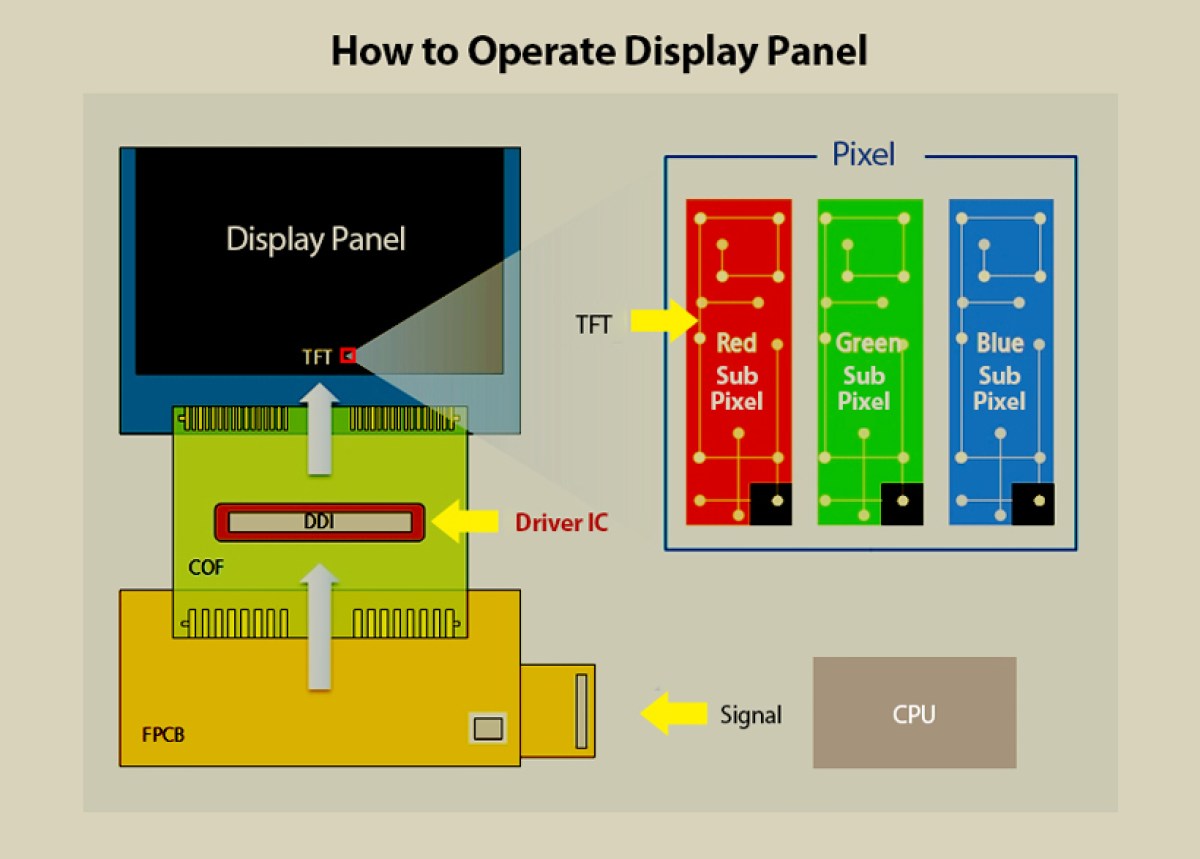
DDI is an important chip that connects mobile phone processors and display panels. It is responsible for controlling the driving signals of thin film transistors and red, green, and blue sub-pixels, affecting the color, brightness, and image display of the screen. The DDI used in Fold8 is designed by Samsung System LSI and produced by UMC using a 22nm process. Samsung is currently said to be evaluating GF to use 22nm or 28nm process manufacturing, and the candidate production capacity involves factories in Singapore and Germany; however, specific design introduction, verification and mass production arrangements have not yet been announced.
Samsung’s idea of expanding the scope of suppliers has been rumored in the market before, and GF has also been reported to have expressed its willingness to undertake DDI OEM. However, Samsung Electronics and GF have not yet officially confirmed their cooperation. Even if it becomes a second supplier, the introduction of the new process still needs to complete design adaptation, product verification and mass production ramp-up. Therefore, using it for some Galaxy A series models by the end of 2027 is still only an industry estimate and not a confirmed launch arrangement.
If the plan is implemented, Samsung can establish a backup source for DDI, a key component, to reduce the impact of single wafer foundry capacity saturation on mobile phone production. This adjustment is aimed at the wafer manufacturing of DDI for OLED Galaxy mobile phones. It does not mean that Samsung will transfer its own chip design business or all mobile phone processors to GF.
Comments