
Abstract:
Many supermarket chains in France and Europe have recently suffered large-scale cyber attacks. Hackers directly controlled the store's refrigeration equipment and continued to turn on the function originally used for short-term defrost. This caused the temperature of the refrigerated and frozen areas to soar, and a large amount of food spoiled and scrapped, raising concerns about the network security of critical infrastructure.
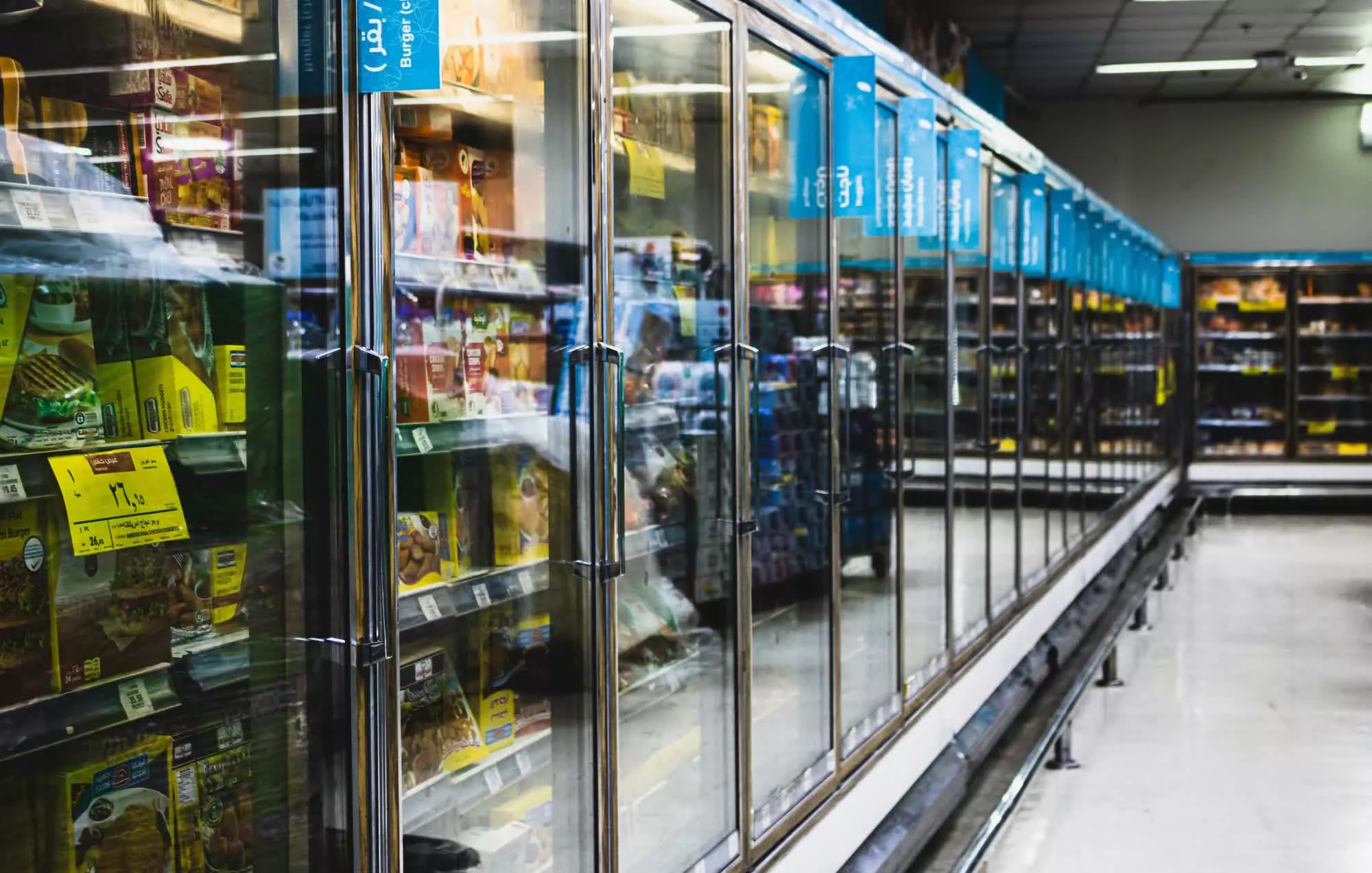
According to French retailers and media, the attack occurred from the evening of October 11th to the early morning of October 12th. Hackers successfully invaded the supermarket refrigeration system control platform and switched the equipment to continuous defrost mode, causing the temperature of some freezers and cold storage to rise to 50 degrees Celsius. Because the attack occurred at night, it took several hours for staff to discover the anomaly. At this time, a large amount of fresh food, meat, dairy products, and frozen food could no longer be sold.
The most severely affected is the large French supermarket chain Intermarché, whose parent company stated that about 150 stores were attacked. Nearly a hundred stores under the French cooperative supermarket Coopérative U have also been affected. In addition, some stores of supermarket chains such as Leclerc and Carrefour are said to have also experienced problems, and in some areas there have even been fires caused by equipment overheating.
Due to food safety risks, relevant supermarkets had to conduct centralized destruction of affected goods. Early estimates indicate that the damage to some stores alone has reached hundreds of thousands of euros, and as more affected stores are completed, the overall economic damage is expected to reach millions of euros.
Coopérative U CEO Dominique Schercher called the incident an "unprecedented" attack. He said that the nature of the attack against important equipment that maintains food preservation and ensures food supply for the people is extremely serious. Each store's technical team and external experts are working hard to restore system operation.
The investigation shows that the attack is likely to involve the refrigeration management system provided by the Danish company Danfoss. Not long ago, the network security research team Team82 released a research report pointing out that some Danfoss refrigeration controllers have multiple security vulnerabilities, which allow attackers to remotely control the operating status of refrigeration equipment, even turn off the cooling function and falsify temperature data.
Reports indicate that most of the attacked devices run older versions of firmware, and related security issues have been disclosed and fixes provided months ago. This has caused the outside world to pay attention to the security risks in the retail industry in the update and maintenance of industrial control systems and Internet of Things equipment.
Meanwhile, Dutch retail giant Ahold Delhaize Group also confirmed that its network is dealing with a security incident. Some websites and delivery services of the group's Albert Heijn and other brands have been affected. Although it is unclear whether there is a direct connection between the Dutch incident and the attack on the French supermarket, the European retail industry is clearly facing a new round of cybersecurity challenges.
The French Procuratorate in Paris has launched an investigation into this incident, and the French National Cyber Security Agency has also intervened. As of now, the identity of the attacker has not been announced, and no organization has claimed responsibility.
Security experts warn that this incident shows that cyberattacks are no longer limited to stealing data or extorting companies, but can directly affect real-world supply chains and livelihood infrastructure. If similar attacks were launched against power grids, water systems or other critical public services in the future, the consequences could be far more serious than food waste. What was long considered a theoretical worst-case scenario is now becoming a real risk.
Comments