
Abstract:
The U.S. nuclear power industry is accelerating the application of artificial intelligence technology. Although nuclear power plants have long been known for their strict supervision, prudent decision-making and extremely high safety standards, a new generation of artificial intelligence assistants has begun to enter the daily workflow of nuclear power companies, helping staff retrieve technical information, process regulatory documents, analyze equipment failure records, and find solutions to problems from decades of accumulated operating experience.
According to "IEEE Spectrum", almost all 94 operating nuclear reactors in the United States will have the opportunity to introduce artificial intelligence technology in 2026, and most of them have already accepted relevant plans. Contrary to what one might imagine, these current AI systems do not directly control reactors or determine how nuclear power plants are run. Instead, they serve primarily as auxiliary tools for engineers and technicians, helping them process complex information more quickly.
This change is closely related to the real pressure faced by the US nuclear power industry. On the one hand, with the rapid expansion of artificial intelligence data centers and the increasing demand for stable, continuous and low-carbon electricity in the United States, nuclear power has regained the attention of large technology companies and energy companies. On the other hand, a considerable portion of the existing nuclear power facilities in the United States have been in operation for many years. Equipment maintenance, regulatory compliance, and technology updates are increasingly burdensome, and it is increasingly difficult to replenish staff with specialized knowledge.
Nuclear power companies must deal with a large number of complex technical requirements and regulatory procedures. Every major engineering decision needs to be evaluated, independently verified and inspected, and equipment maintenance requires reference to extensive historical records and technical specifications. At the same time, the U.S. nuclear power industry has been short of new reactor projects for a long time, which has resulted in some professionals not entering this field. Many experienced technicians have gradually retired. The industry faces the dual challenges of a loss of professional knowledge and a shortage of labor.
Jerrold Vincent, co-founder and chief financial officer of Nuclearn, a nuclear energy artificial intelligence start-up, said that the current personnel pressure in the nuclear power industry is very prominent. Even if some companies have openly recruited relevant positions, it is difficult to find suitable candidates, but regulatory requirements and daily maintenance work will not be reduced. Artificial intelligence is expected to help existing employees become more efficient, allowing limited human resources to take on more work.
Vincent believes that the complexity of the nuclear power industry just provides a place for artificial intelligence. Nuclear power plants need to comply with a large number of regulations, manage complex equipment systems, and continuously record maintenance, overhaul and troubleshooting processes. These jobs involve large amounts of text, technical documents and historical cases, which are exactly the information-intensive tasks that artificial intelligence is good at handling.
Currently, Atomic Canyon and Nuclearn are two important players in this field.
California-based Atomic Canyon launched NIVA, the Nuclear Industry Virtual Assistant, in August 2026. The system, developed in partnership with multiple nuclear energy industry organizations, was piloted at nuclear power plants operated by Constellation Energy and is now available to the entire U.S. nuclear reactor fleet.
Nuclearn said that its products have been used in the business of more than 65 partners in the United States. These partners range from traditional nuclear power facilities to companies that are advancing advanced small nuclear reactor technology. The company has also conducted related integration work with NuScale Power Corporation.
Microsoft and Nvidia are also exploring the combination of artificial intelligence and the nuclear power industry, hoping to use artificial intelligence to optimize the entire life cycle of nuclear power plants, including site selection, design, construction, and long-term operation and management.
These projects reflect an increasingly obvious trend: artificial intelligence companies need more stable power to support data centers, while the nuclear power industry hopes to use artificial intelligence to alleviate the shortage of professional talents, reduce information retrieval costs, and improve operational efficiency. The needs of both parties are forming a mutually reinforcing relationship.
For nuclear power plants, one of the most direct values of artificial intelligence is to make technical knowledge scattered in massive files easier to obtain.
For a long time, nuclear power plants have accumulated a large number of operating procedures, maintenance guides, equipment technical data, safety recommendations and accident reports. However, this information is often scattered across different databases and document systems in inconsistent formats, making retrieval difficult. Even if the answers already exist within the organization, it can take engineers a long time to find the information that is actually useful.
This problem has prompted several nonprofit groups in the nuclear energy industry to start pushing for data integration. In 2025, institutions such as the U.S. Nuclear Power Operations Research Institute, the Electric Power Research Institute, and the Nuclear Energy Research Institute began to establish more unified data resources to create conditions for the development of artificial intelligence assistants that can effectively retrieve knowledge about the nuclear power industry.
Rob Austin, who is responsible for the NIVA project at the Electric Power Research Institute of the United States, said that an important opportunity for related work came from the challenge raised by Joseph Dominguez, chairman of Constellation Energy: whether the technical knowledge accumulated in the nuclear power industry for decades can be provided to workers in a manner similar to ChatGPT, Copilot or Gemini, while ensuring that sensitive data is protected.
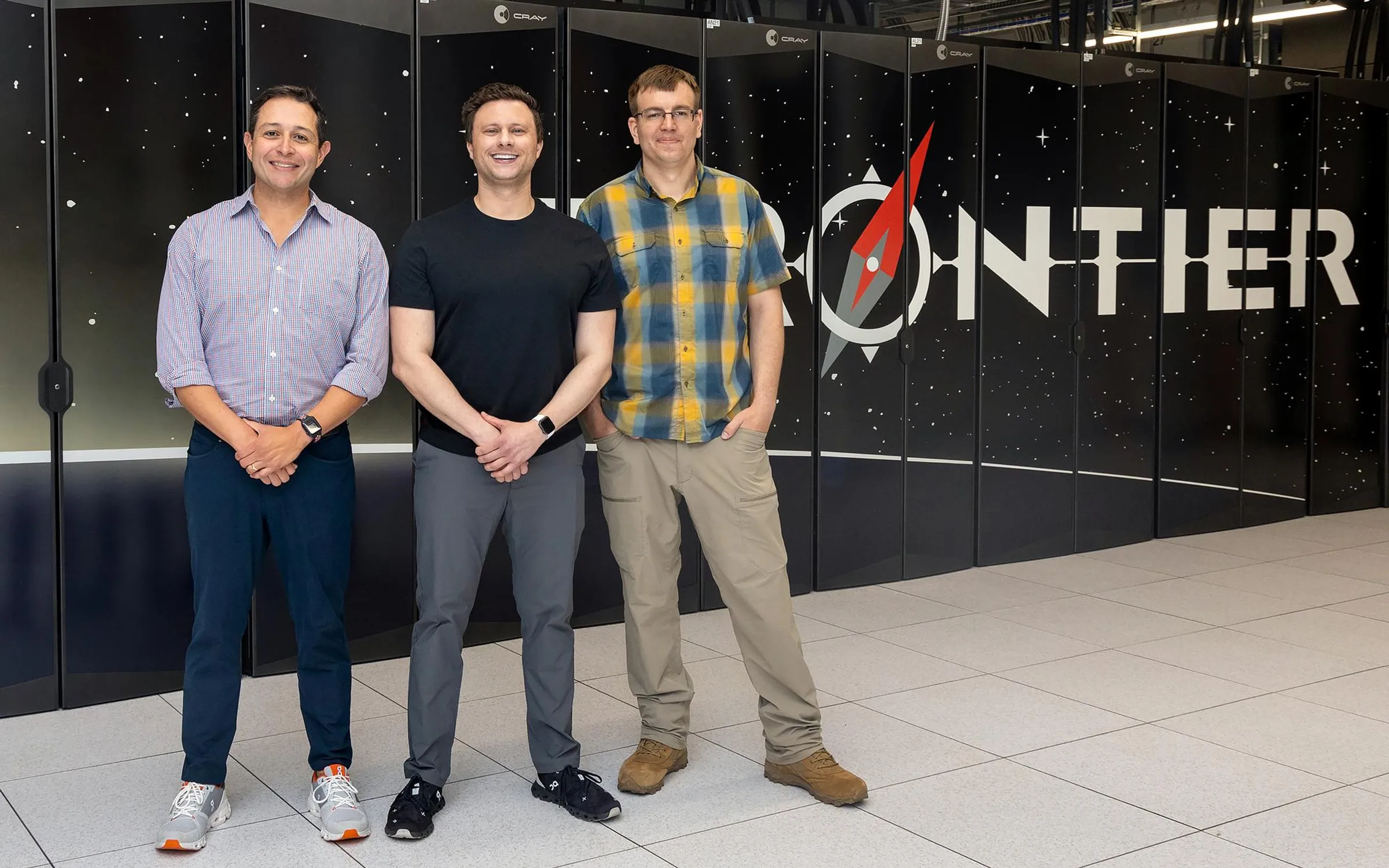
Atomic Canyon eventually won the project. In order for artificial intelligence to understand the unique technical terminology, operating specifications and regulatory requirements of the nuclear power industry, the company first downloaded approximately 53 million pages of information publicly provided by the U.S. Nuclear Regulatory Commission, and worked with Oak Ridge National Laboratory to develop a dedicated artificial intelligence model for the nuclear energy field.
Atomic Canyon CEO Trey Lauderdale said that an important ability of this type of model is to understand the professional language of the nuclear power industry itself. The field of nuclear energy has a large number of terms and expressions with specific meanings. Although general artificial intelligence can process ordinary text, it may not be able to accurately understand all professional contexts. Therefore, the development team needs to let the model learn to identify concepts, terms, and relationships in nuclear power technical documents.
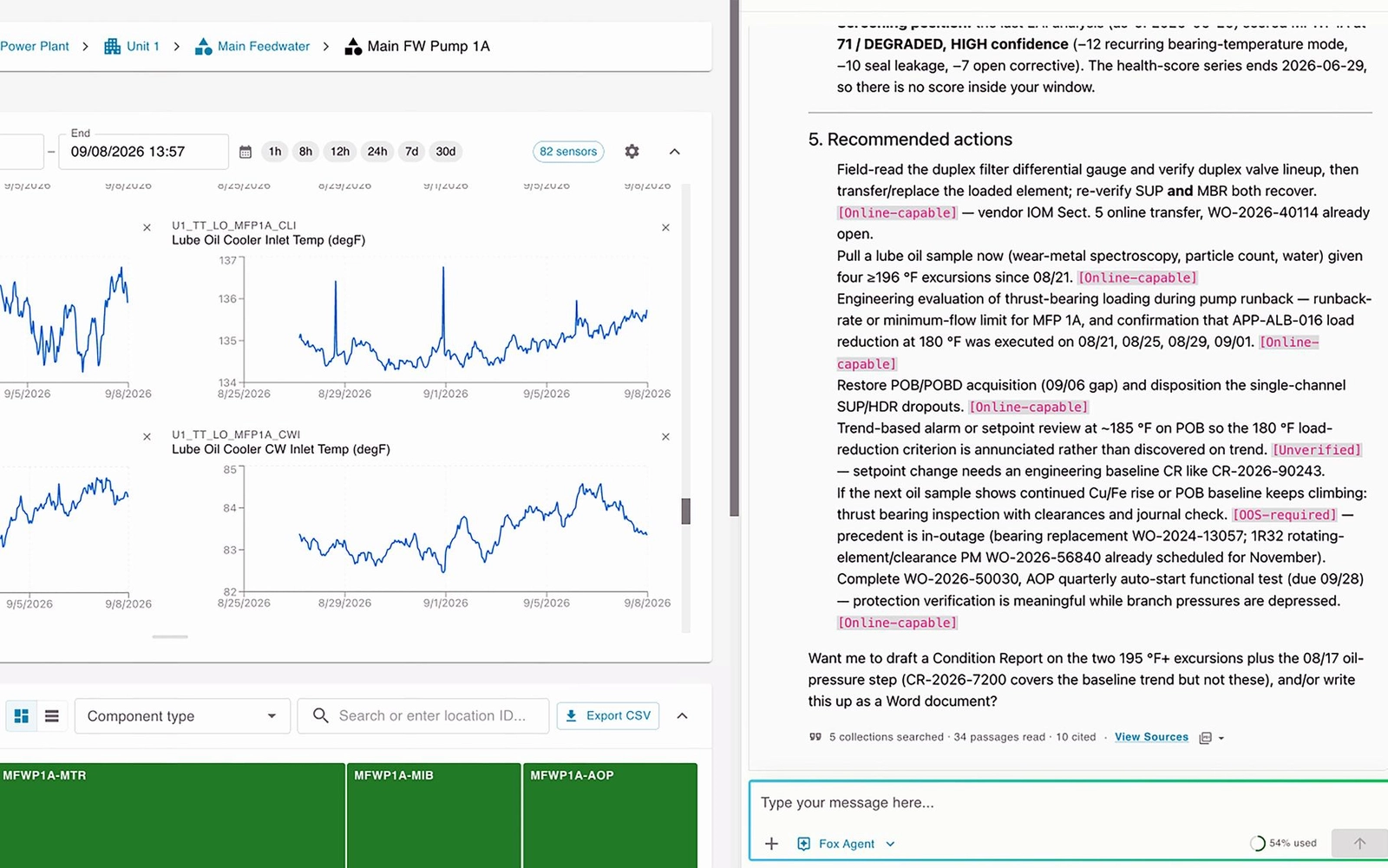
After special training, staff can ask questions through natural language and let the system find answers from a large amount of historical data. Whether filling out regulatory filings, procuring the right tools and materials, or investigating why a piece of equipment malfunctioned, AI can assist in retrieving relevant records, reducing the time workers spend searching between different databases.
For example, large vertical water pumps used in nuclear power plants may be several stories tall, equipped with electric motors capable of thousands of horsepower, and are responsible for moving large amounts of cooling water. When something goes wrong in such equipment, engineers need to consult maintenance manuals, technical specifications and similar failures that have occurred at other nuclear power plants in the past.
The Electric Power Research Institute maintains maintenance guidelines for related equipment, while the National Institute of Nuclear Power Operations has accumulated tens of thousands of accident and operational anomaly reports. Faced with such a huge database, artificial intelligence can synthesize scattered information, summarize the most common failure types of a certain water pump, and sort out past troubleshooting and repair methods.
Engineers can also further ask whether other nuclear power plants use the same type of components, whether they have encountered similar problems, and what solutions were taken at that time.
The key is that these systems not only need to give an answer, they also have to say what data the answer came from. Engineers should be able to trace the technical documentation and historical records on which the AI is based to independently verify its conclusions, rather than simply accept an unverifiable answer.
Nuclearn describes its related products as artificial intelligence assistants for the nuclear power industry. The Equipment AI system provided by the company can answer questions about the operation of nuclear power equipment and generate reference information using decades of accumulated industry experience. Vincent, co-founder of Nuclearn, believes that this metaphor is not outrageous if it is understood as a ChatGPT dedicated to the nuclear power industry.
However, the introduction of artificial intelligence in the nuclear power industry also faces a special obstacle: data security.
The technical data of nuclear power plants not only involves internal information of the company, but some of the content is also protected by U.S. federal laws and related safety systems. Even if artificial intelligence is good at retrieving and summarizing documents, it cannot be used to upload sensitive data to external servers or allow access to people without appropriate permissions.
In order to solve this problem, the relevant solutions provided by Nuclearn adopt a single facility deployment model, so that the data of the nuclear power plant can stay locally without leaving the facility.
NIVA follows the existing data access rights system. According to Austin, the system can only retrieve databases that users already have access to, and original nuclear power plant-level security clearances and access restrictions are still in effect. Artificial intelligence does not automatically gain access to sensitive information just because it can understand natural language.
This design means that artificial intelligence does not replace the original safety system of the nuclear power industry, but improves the way of obtaining information within the existing authority framework. It can help engineers find information faster, but it can't bypass nuclear power plants' controls on access to people, data and equipment.
The application scope of artificial intelligence may further expand in the future, but from document retrieval to equipment inspection to direct participation in nuclear power plant operation decisions, there are still obvious safety and regulatory thresholds.
The Electric Power Research Institute is testing a pilot project using artificial intelligence to assist in checking welding quality. Nuclear power plants contain numerous welds that must be inspected to ensure their quality and long-term reliability. Traditional inspection work requires professionals to evaluate one by one, and the inspection process also generates a large amount of data.
Researchers are exploring whether artificial intelligence can analyze these inspection records and identify areas worthy of further attention, thereby helping inspectors allocate their time and energy more efficiently.
However, the project still retains the manual review process. All recommendations made by AI need to be reviewed by human inspectors, and no nuclear power plant currently allows AI to fully take over relevant inspection work.
The significance of this trial is that it begins to gradually expand artificial intelligence from a mere file retrieval tool to auxiliary tasks related to actual equipment maintenance. But that doesn’t mean AI has been given the authority to independently inspect equipment or decide on repairs.
For further applications, that is, allowing artificial intelligence to directly participate in reactor operation control, industry insiders are still very cautious.
Lauderdale said it was difficult for him to imagine artificial intelligence being able to independently determine how a nuclear power plant should be run, both in the short and long term. The nuclear power industry is highly regulated and any decisions that could affect the operation of the facilities involve significant risks, so human oversight will remain indispensable for quite some time.
This also reflects the difference between the nuclear power industry and many ordinary business fields in the use of artificial intelligence. In a general office environment, AI generating incorrect summaries or making inaccurate recommendations may only result in a loss of efficiency; but in a high-risk facility like a nuclear power plant, any incorrect information regarding equipment status, operating procedures, or safety requirements must be fully verified.
Therefore, the current nuclear power industry prefers to first use artificial intelligence for work where risks are relatively controllable, such as retrieving technical documents, organizing historical cases, assisting in filling out regulatory documents, and helping engineers discover problems that require further investigation. Artificial intelligence is responsible for providing information and recommendations, while human professionals continue to bear the responsibility of verification, judgment and decision-making.
In the longer term, artificial intelligence may also help the U.S. nuclear power industry preserve the expertise it is losing. A lot of experience does not only exist in formal technical manuals, but is also reflected in the staff's long-term accumulation of equipment failures, maintenance processes and abnormal situations. If these experiences can be saved through a unified data system and effectively retrieved and organized by artificial intelligence, a new generation of technicians will have the opportunity to more easily access the industry knowledge formed in the past few decades.
This capability may become increasingly important as the United States renews its push for nuclear power. New reactors require a large number of specialized personnel, and existing nuclear power plants must also cope with aging equipment, personnel retirements, and increased maintenance tasks while maintaining safe operations. Simply relying on recruiting more engineers may not solve these difficulties quickly.
Artificial intelligence cannot replace the professional responsibilities of nuclear power engineers, nor can it eliminate the complexity of operating nuclear power facilities itself, but it is expected to improve the efficiency of the industry in utilizing existing knowledge, allowing limited professionals to find the required information faster and devote more time to work that truly requires human judgment.
For an industry that has long prioritized caution and safety, the entry of artificial intelligence into nuclear power plants does not mean that machines are about to take over the reactors. A more realistic change is that engineers are getting a new tool to find answers faster from tens of millions of pages of technical information and decades of operational experience. At a time when the nuclear power industry is facing the dual pressures of growing power demand and a shortage of professional talents, this change may become an important auxiliary force in promoting the revival of the US nuclear power industry.
Comments