
Abstract:
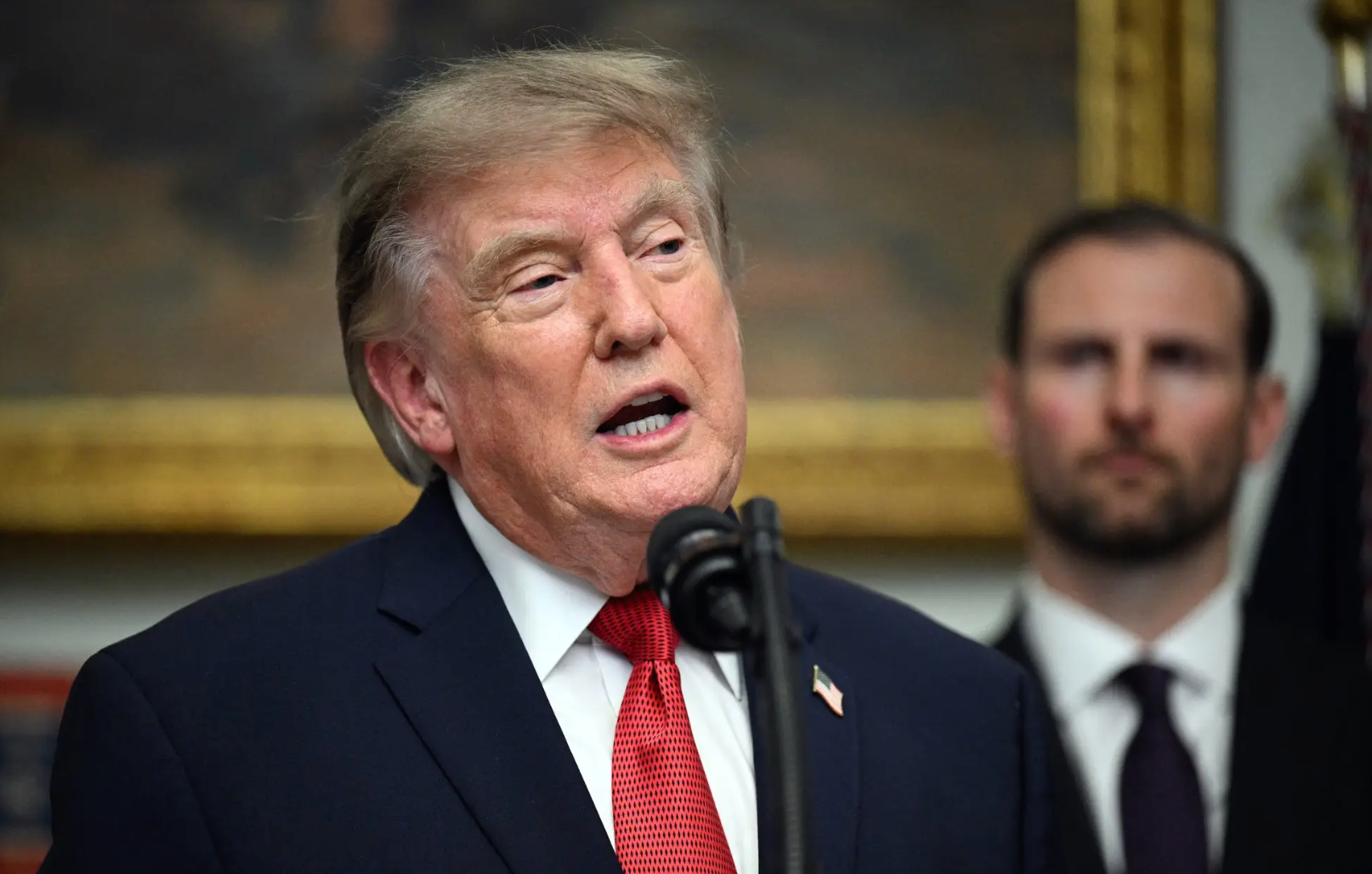
The Trump administration recently submitted a 20-page legal opinion to the New York Times’ case against OpenAI, supporting OpenAI’s unauthorized use of copyrighted materials to train large language models. The government stated in the document that it is in the national interest of the United States to maintain global competitiveness and leadership in the field of artificial intelligence, and that the development of artificial intelligence should not be restricted due to misunderstandings of the fair use principle, otherwise it may hinder innovation, scientific progress, and U.S. economic growth and social mobility.
The large language models behind chatbots such as ChatGPT, Claude, and Gemini are often trained on massive data sets that include copyrighted books, news reports, and other media content. Many publications believe that artificial intelligence companies are violating the law by using these materials to train models without permission. At the heart of the dispute is whether such use qualifies as "fair use" under U.S. copyright law, and whether model training is sufficiently "transformative" to be deemed legal.
At present, the cases related to artificial intelligence training and copyright infringement in the United States are generally more favorable to artificial intelligence companies. Previously, Judge William Allsup had ordered Anthropic to pay a group of writers a $1.5 billion copyright settlement, but the focus of the penalty was not on the model training itself, but on the books used for training that the company had stolen through illegal shadow libraries. Allsup believed at the time that the process of learning works by artificial intelligence models was closer to human readers creating different works after reading books, rather than directly copying or replacing the original works.
However, the document submitted by the Trump administration is not a court ruling. The case is still being heard in the U.S. District Court for the Southern District of New York, and the government does not have jurisdiction to decide the case. However, due to the direct involvement of the federal government, the relevant position may still have an impact on the trial of the case and the broader discussion of artificial intelligence copyright policy.
Comments