
Abstract:
In addition to seeking medical advice, outdoor mountaineering is obviously one of the areas where people "should never blindly believe in AI". Recently, when several young climbers climbed Mount Shasta (Mount Shasta) in Siskiyou County, California, the United States, they almost caused a disaster due to their over-reliance on the Google AI chat robot Gemini. The AI originally predicted that the journey would only take 8 hours to complete, but in the end it took them twice as long to reach the top of the mountain, causing everyone to get into serious trouble.
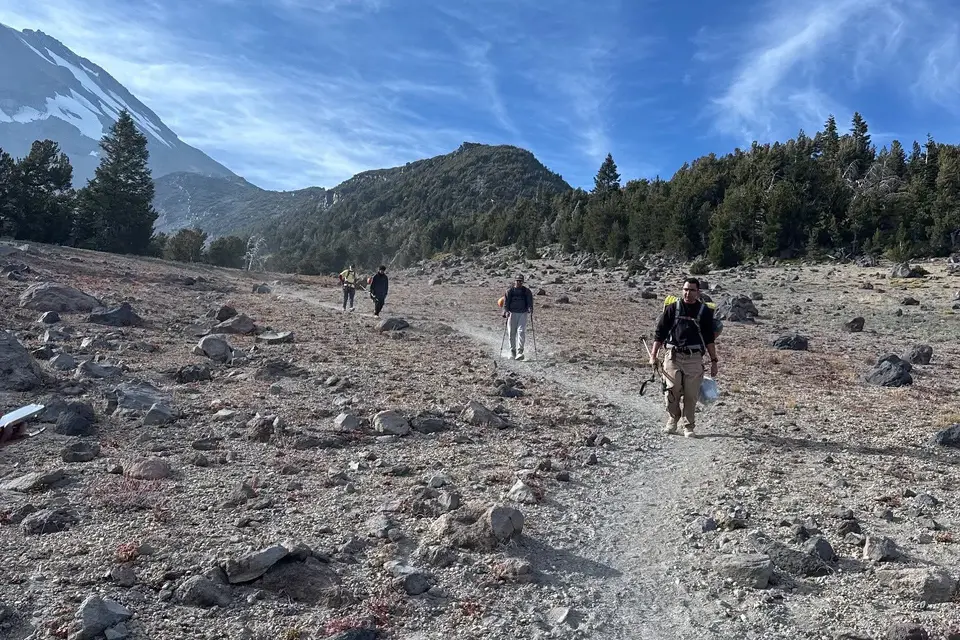
The three climbers involved said that they mainly referred to Google Gemini, YouTube and the hiking application AllTrails to prepare for this trip. In addition to relying on AI to plan routes, they even let the chatbot suggest food and drinking water for them to bring. Gemini's advice at the time was to carry simple sugars and carbohydrates rather than fats for the expected eight-hour climb, as fat "takes too long to digest." After listening to this advice, the team members only prepared a very limited amount of water and supplies that they thought were enough to cope with this "relatively short" climb.
On August 29, the three climbers set up a base camp near the headwaters of Clear Creek. According to the San Francisco Chronicle (SFGate), camping is actually prohibited in the area. At 3 o'clock in the morning the next day, the three of them officially broke camp and set off to climb. However, the actual degree of difficulty far exceeded the AI's estimate. It was not until 7 p.m. on August 30, after 16 hours of arduous trek, that they finally reached the summit. This time point had already far exceeded the local recommended return line of 12 noon.
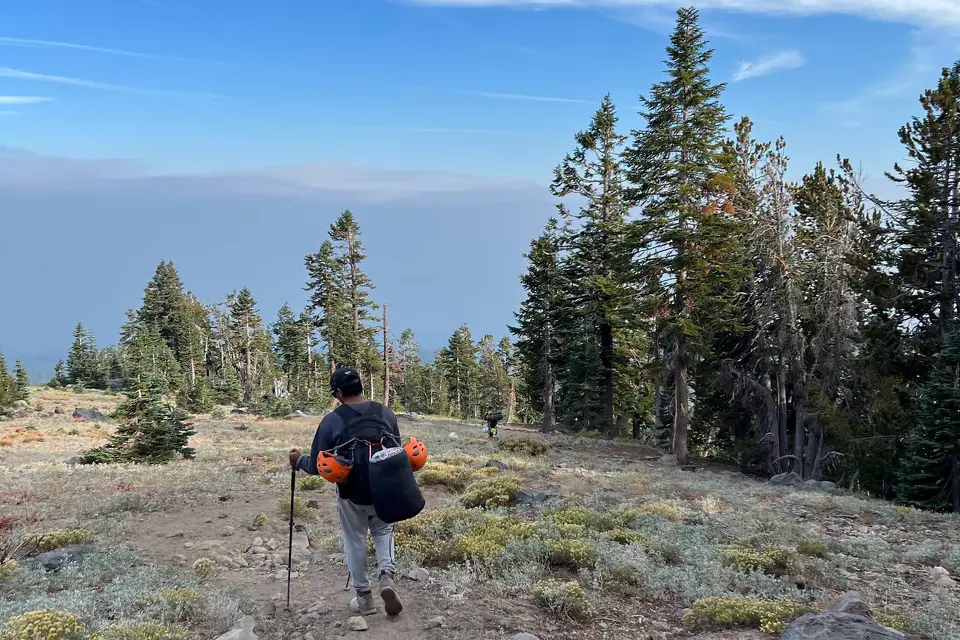
After reaching the top, the situation took a turn for the worse. The phone they were using to view AllTrails navigation routes completely ran out of battery and shut down. As night fell, one of the team members was groping forward in the darkness in order to save headlight power. Unfortunately, he fell and injured his knee at an altitude of about 11,500 feet (about 3,500 meters). Seeing that the food and water were exhausted, and they lacked the warm clothes and shelter equipment needed for the night, the panicked climbers finally called 911 for help.
Due to strong winds in the mountainous area at the time, the rescue helicopter failed to rappel and lift twice. It was not until 9:30 a.m. on August 31 that forest patrol personnel finally contacted and successfully rescued the three trapped people on foot. Afterwards, these frightened young people admitted when questioned by patrol officers: "We rely too much on artificial intelligence, but we neglect our own critical thinking."
It is not uncommon these days to blindly follow the advice of AI chatbots and incur negative consequences. Previously, a farmer followed the chatbot's guidance on weeding and pest control, which directly caused the death of 25 acres of crops; someone also suffered from a rare 19th-century mental disorder because of following ChatGPT's dietary advice; and a 19-year-old young man allegedly sought personalized medication advice from ChatGPT, who recommended a fatal drug combination, which eventually led to the client's death and triggered a lawsuit against OpenAI.
Comments