
Abstract:
Googlebook, the new generation notebook platform created by Google, has officially entered the marketization stage. With the pre-order channel opening on September 21, this new product category, which debuted in May this year, is being regarded as a major attempt by Google to reconstruct personal computers in the artificial intelligence era.
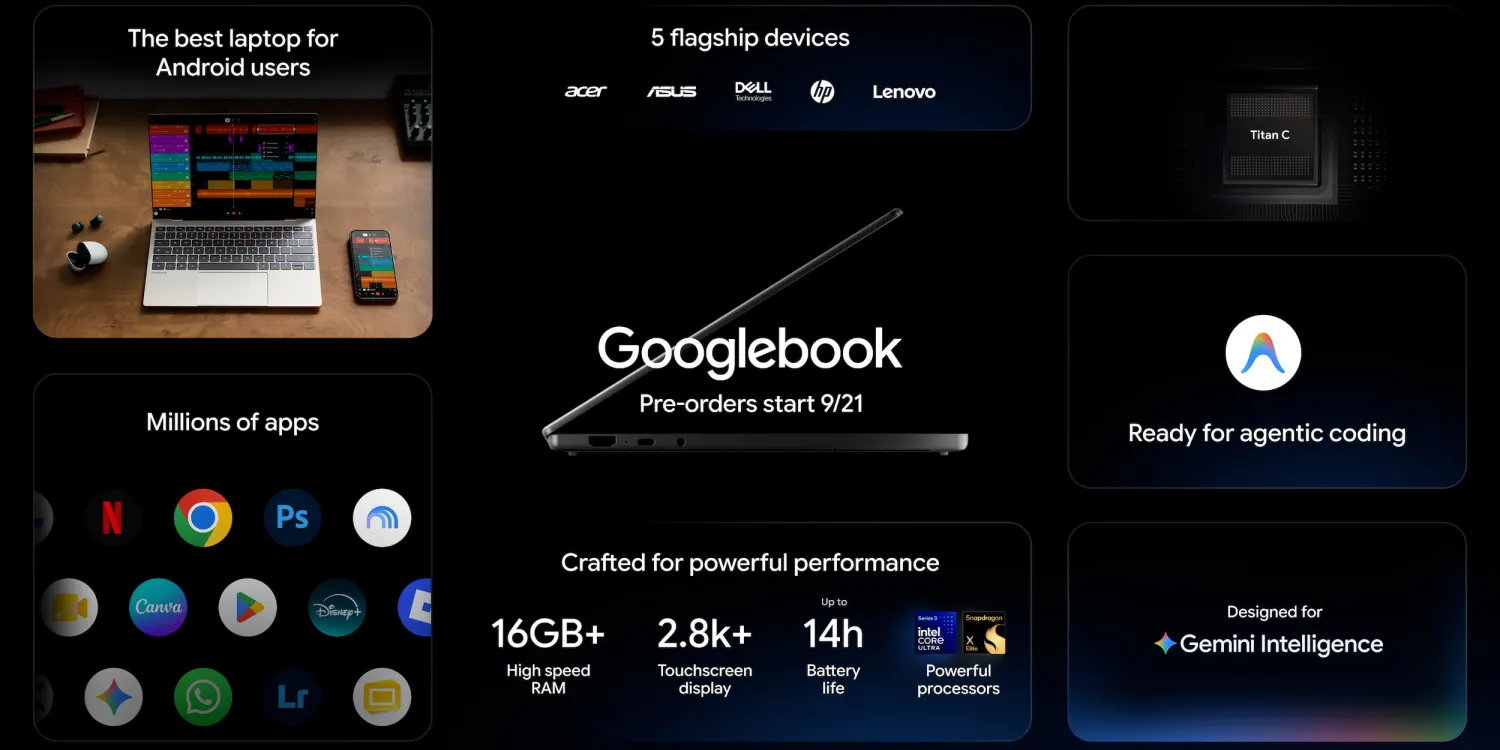
According to a previous notice issued by Google, users in the United States will begin pre-ordering the first batch of Googlebook devices at 9 a.m. on September 21. The starting lineup includes products from partners such as Acer, Asus, Dell, HP and Lenovo, with the first batch of models expected to be shipped this fall.
Different from past Chromebooks, Googlebook is positioned as a new high-end notebook platform. Google no longer shapes it as a cheap education market product, but hopes to use Gemini's artificial intelligence capabilities to directly enter the high-end mobile computing market to compete with Apple MacBook and Microsoft Copilot Plus PC.
In fact, Googlebook is not a single hardware product, but more like a complete platform system. Similar to the Android mobile phone ecosystem, Google is responsible for defining platform standards and core experiences, while specific devices are manufactured by different hardware manufacturers.
Google officially announced the Googlebook plan as early as May this year and defined it as a new generation computing platform "specially built for Gemini Intelligence". From a positioning perspective, it is regarded as the next stage of Chromebook’s evolution and an important result of Google’s long-term strategy to promote the integration of Android and ChromeOS.
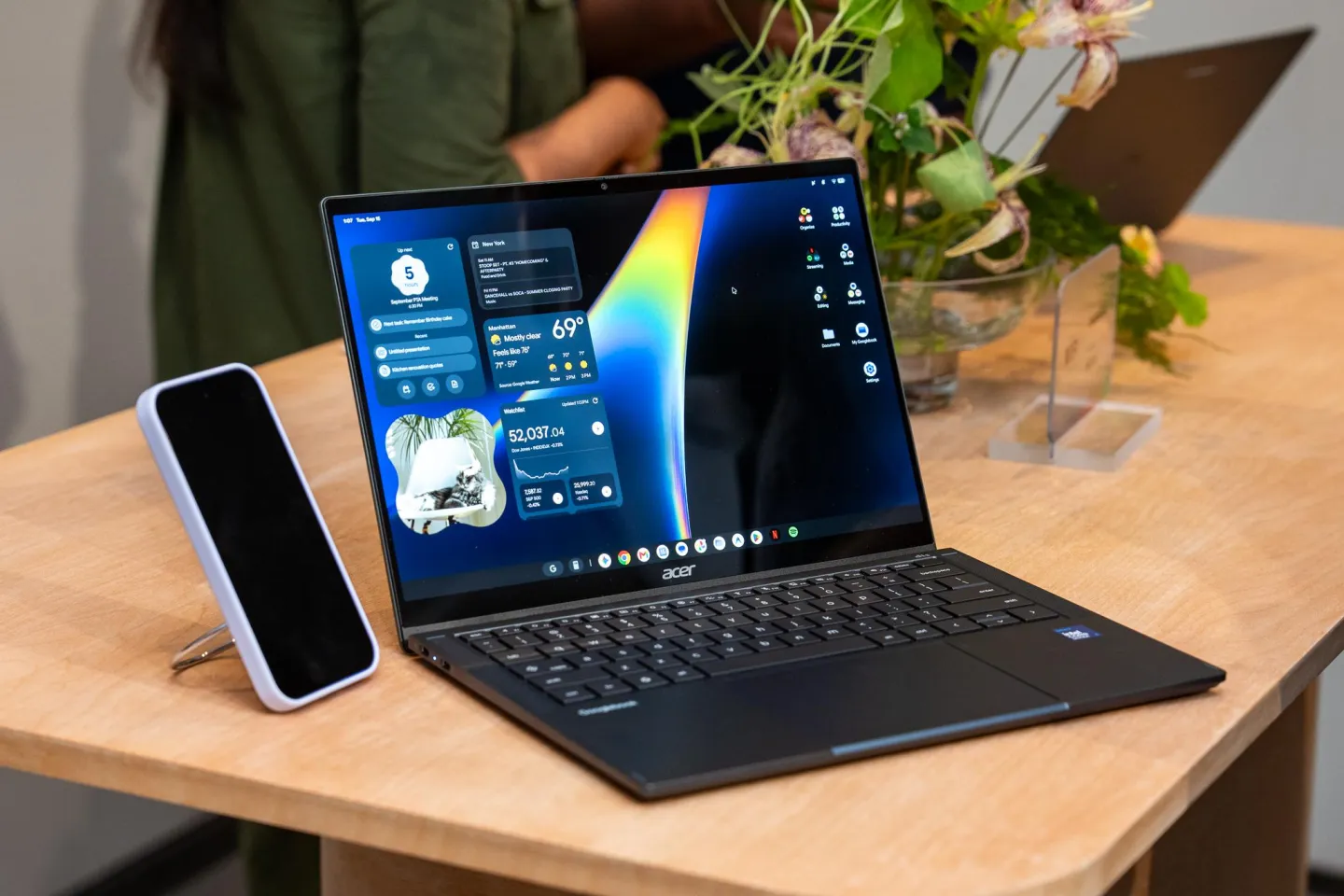
According to the information disclosed so far, Googlebook will use the Android technology stack as its core while absorbing the past advantages of ChromeOS in web pages and cloud applications. It is generally believed that this means that Google’s years of internal discussions on the integration of Android and ChromeOS have gradually formed a clear answer.
Google hopes to use this architecture to establish a closer connection between laptops and Android phones. In the future, users will not only be able to directly access mobile phone files, but also use applications from their mobile phones on Googlebooks without going through the traditional installation process.
In terms of artificial intelligence experience, Gemini has become the core selling point of the entire Googlebook platform.
One of the most talked about new features is Magic Pointer. Unlike traditional mouse pointers, this feature allows users to directly call Gemini to analyze the current screen content and provide instant help and intelligent suggestions based on the selected object.
Another important feature is Create My Widget. Users only need to describe their needs through natural language, and the system can automatically generate personalized widgets. For example, create travel plan trackers, weather dashboards, task reminder tools, and more so that the interface dynamically adjusts to individual needs.
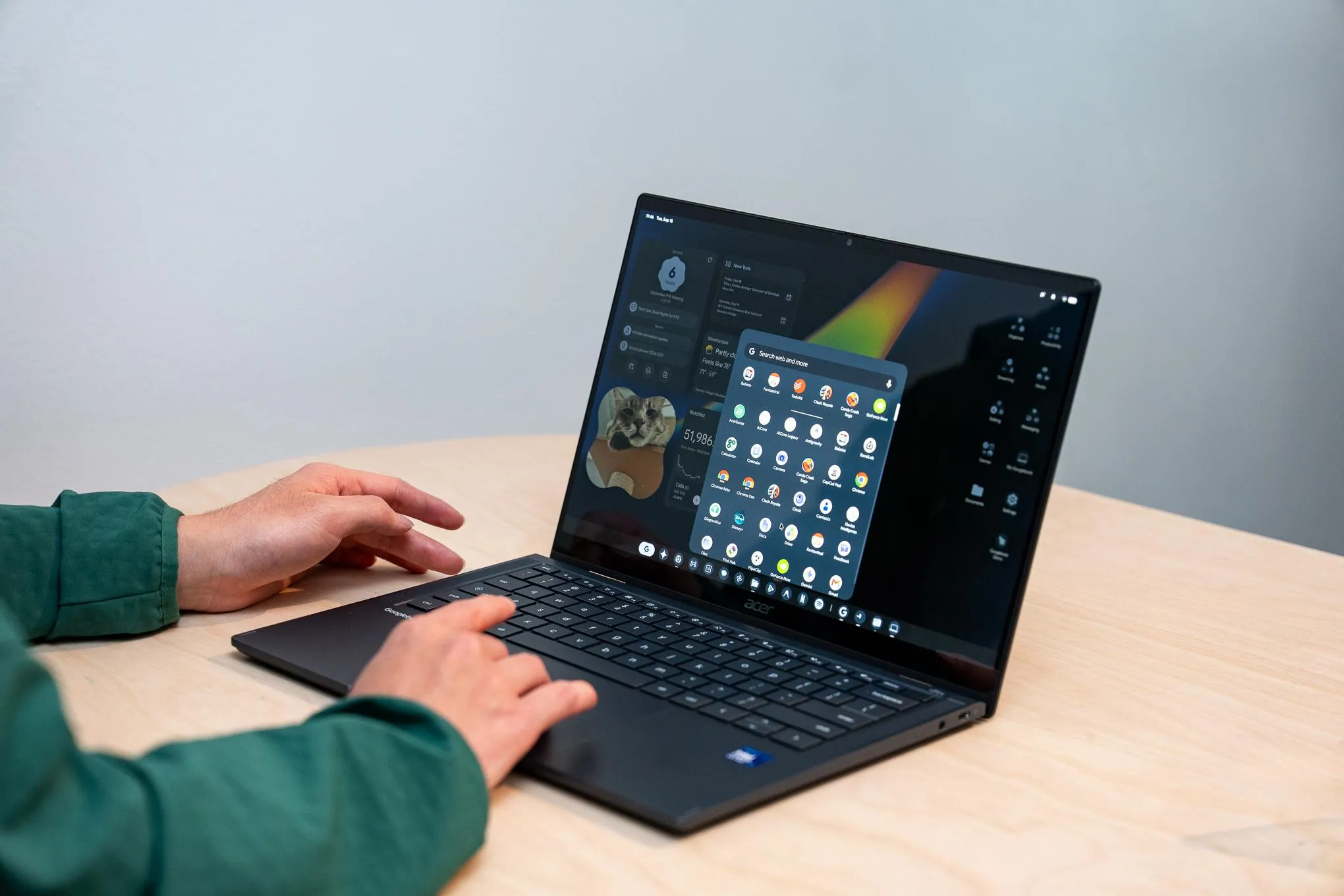
Judging from the products that have been exposed, most Googlebook devices have added brand-recognizable Glowbar light strips to their appearance. This design will become an important visual feature of the Googlebook hardware camp, similar to the brand identity of the past Chromebook era.
At the same time, more and more product information began to surface. Previously, Googlebook devices from Lenovo, Asus and other manufacturers have been exposed one after another, including 15-inch models and two-in-one products. Relevant leaked information shows that the new platform will support both Arm and x86 architecture processors, and will receive hardware support from Intel, Qualcomm and MediaTek.
Among them, MediaTek’s newly released Dimensity CX series processors have been confirmed to become an important part of the Googlebook ecosystem, and Intel and Qualcomm will also launch corresponding platform products in the future.
However, the challenges faced by Googlebook are also not small.
Over the past decade or so, the market perception of Chromebooks has been mainly centered around low cost and educational use. Googlebook has clearly shifted to the high-end market, and its pricing, positioning, and target user groups are all different from the past. For consumers, Google needs to prove that this is not just a brand change, but a truly competitive new platform.
Industry insiders believe that Googlebook actually represents Google’s new judgment on the future of personal computing. In this system, artificial intelligence is no longer just an additional function, but has become the core entrance to the entire operating experience. The way users interact with applications, devices, and network content will gradually be driven by Gemini.
With the official launch of reservations, Googlebook will usher in its first market test. For Google, this is not only the release of a new product, but also means that the Chromebook era is coming to an end, and the new generation of Googlebook ecosystem driven by Gemini is officially debuting.
Comments