
Abstract:
South Korean memory chip giant SK Hynix recently issued a warning about the prospects of the storage market in the next few years. The company said that although the industry is actively expanding production capacity, driven by the rapid development of artificial intelligence, the growth rate of high-performance memory demand will still exceed the supply growth rate, and the global memory chip shortage may continue until around 2030.
As generative artificial intelligence, large language models, and AI data center construction continue to heat up, HBM (high-bandwidth memory) has become one of the most in short supply core components in the current semiconductor industry chain. As a major supplier in the global HBM market, SK hynix believes that market demand will continue to maintain strong growth in the next few years.
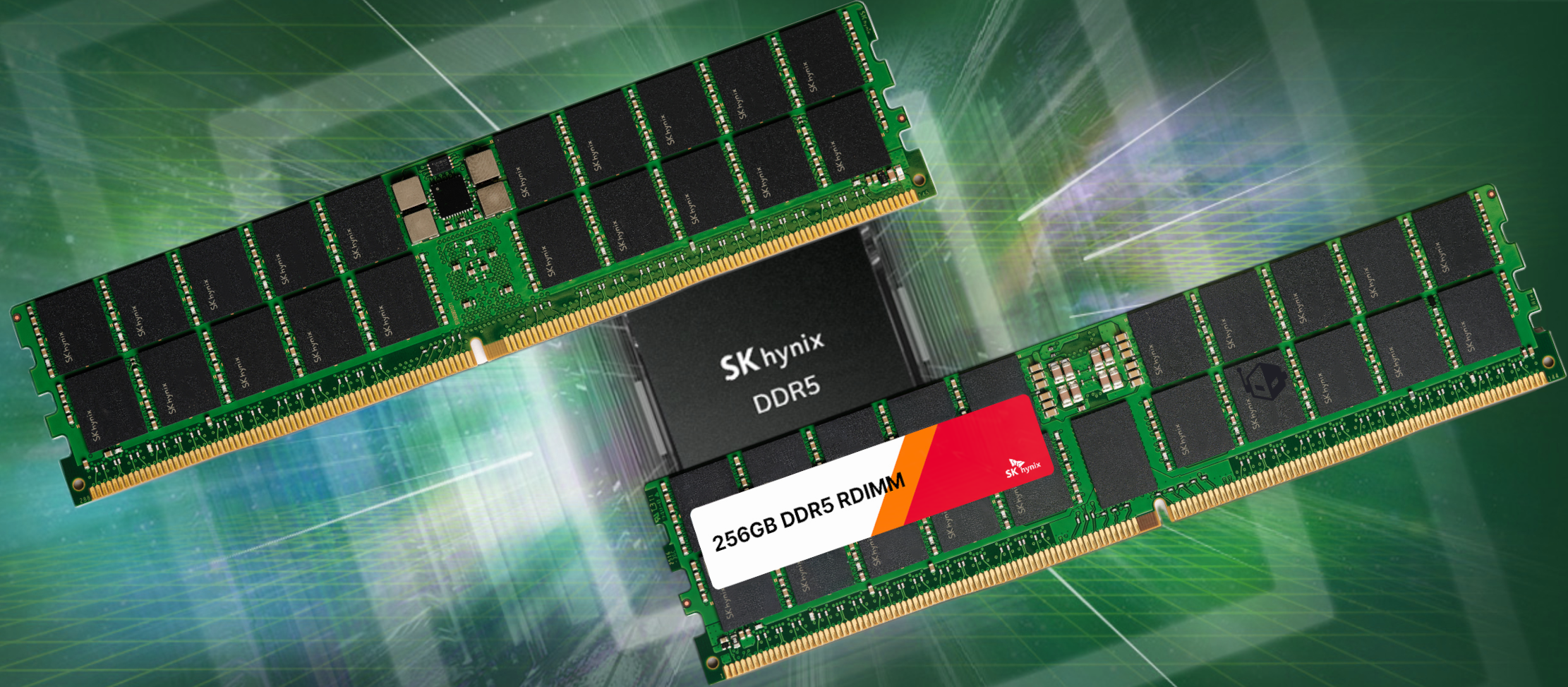
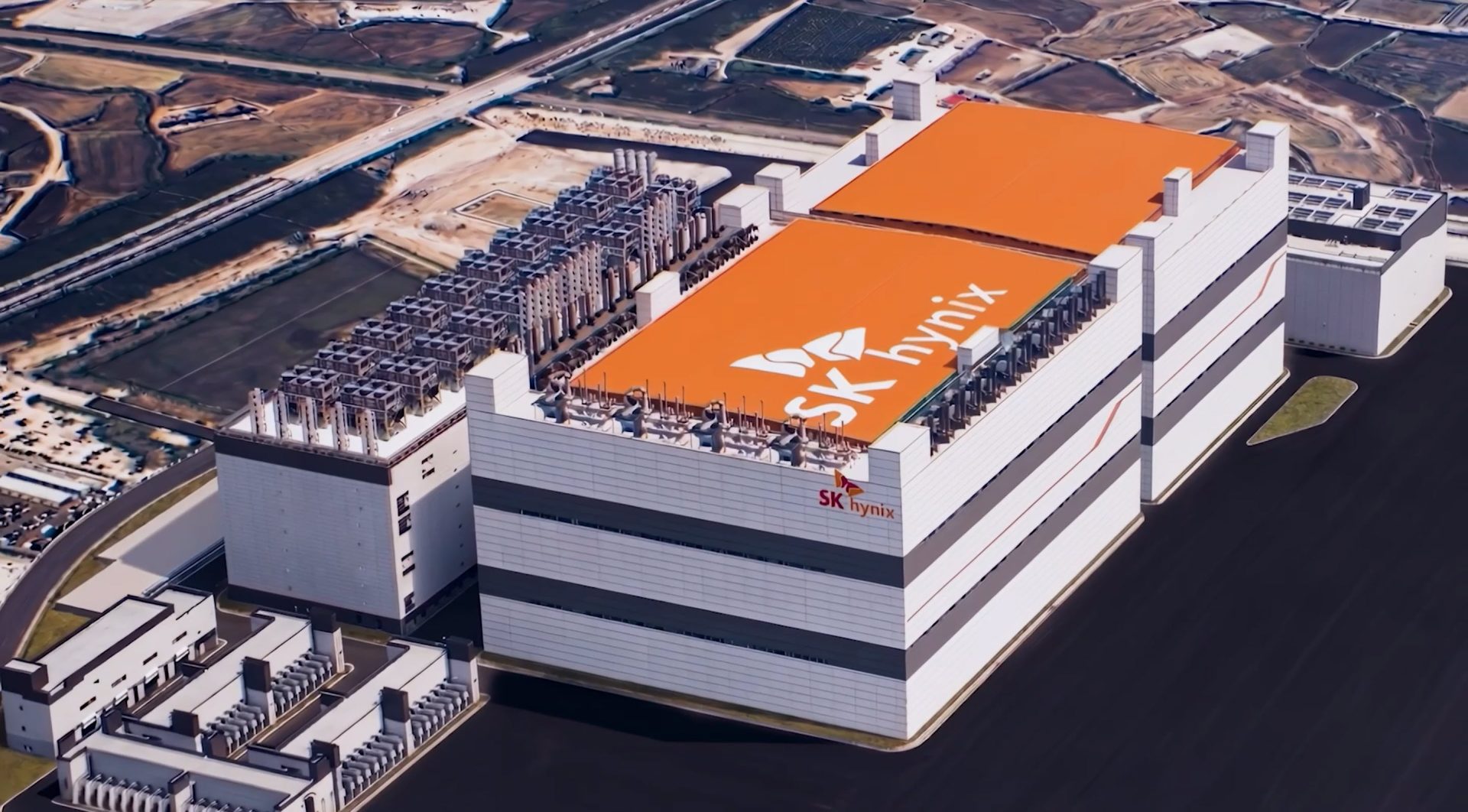
SK Hynix pointed out that although the company is advancing a number of expansion plans, including new production facilities and expansion of advanced packaging capabilities, the expansion of storage industry production cannot be completed in the short term. Advanced storage products, especially HBM, not only require more advanced manufacturing processes, but are also restricted by packaging equipment, production line construction cycles, and talent reserves. Therefore, the release of new production capacity is relatively slow.
The company predicts that AI infrastructure construction will maintain rapid development until 2030. Large technology companies, cloud computing service providers, and sovereign AI projects are continuing to increase investment in high-performance computing platforms, and the demand for HBM and high-end DRAM on these platforms is much higher than that of traditional servers.
Analysis believes that as the scale of AI models continues to expand, the HBM capacity of each GPU continues to increase. From HBM3 and HBM3E to future HBM4 and subsequent products, the demand for storage resources for a single AI accelerator is showing a rapid growth trend, which further intensifies supply and demand pressure.
SK Hynix also stated that the company is increasing its supply capacity by expanding advanced packaging production lines, building new chip factories, and improving production efficiency. However, even if major players in the industry are expanding investment, supply will still face huge challenges in catching up with demand in the context of continued explosive demand.
Currently, SK Hynix maintains a leading position in the HBM market and has become an important partner of AI chip manufacturers such as NVIDIA. As major technology companies compete to build AI data centers, the market competition for advanced memory is expected to continue to heat up in the next few years.
The industry generally believes that if the AI industry maintains its current growth trajectory, HBM, advanced DRAM and related packaging production capacity will continue to become a key bottleneck in the global semiconductor supply chain. SK Hynix's forecast also reflects the industry's expectations for continued growth in demand for high-performance storage in the next few years. Even if the scale of production expansion continues to expand, the supply-demand relationship may remain tight for a long time.
Comments