
Abstract:
As the artificial intelligence industry continues to expand, high-bandwidth memory (HBM) is becoming the most important growth engine in the global storage industry. The latest market information shows that Samsung's next-generation HBM4 product may be priced about three times that of the existing HBM3E product. This trend will not only further push up the cost of AI hardware, but may also continue to change the supply and demand structure of the entire DRAM industry.
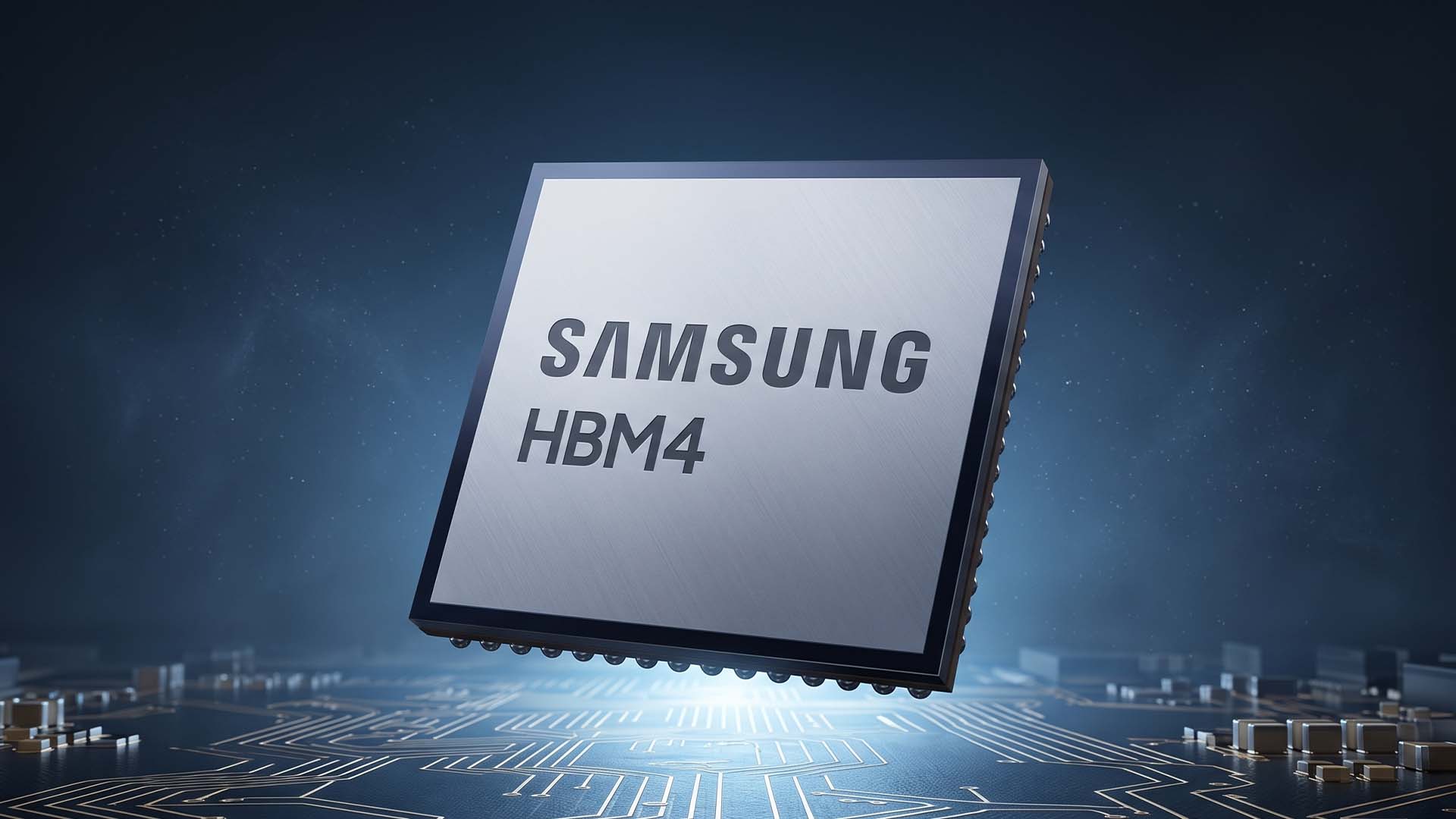
The industry expects that HBM4 will become one of the most expensive mass-produced memory products in the history of the storage industry. Compared with HBM3E, the new product not only greatly improves performance and bandwidth, but also introduces more complex manufacturing and packaging processes. In particular, the addition of logic base chips has made the HBM4 production process more complex than before, and the cost structure has also changed.
Samsung is actively promoting its HBM4 mass production plan, hoping to strengthen its competitiveness in the AI storage market with a new generation of products. Because HBM4 uses advanced process nodes to manufacture basic chips and requires a higher-layer stack design and more complex packaging processes, the overall manufacturing cost is much higher than HBM3E.
Market analysis pointed out that the price increase of HBM4 is not only due to technological upgrades. The current demand for AI accelerators is still strong, and Nvidia, AMD and large cloud computing companies continue to expand their procurement scale, leaving HBM supply in a long-term state of tension. As storage manufacturers are shifting more and more production capacity to HBM products, traditional DRAM supply capabilities are being squeezed, further strengthening the bargaining power of high-end storage products.
For Samsung, HBM4 not only means higher product selling prices, but may also become an important opportunity to improve profitability. In recent years, SK Hynix has gained a huge market advantage with its HBM products, while Samsung is trying to narrow the gap with its competitors through new generation solutions. As HBM4 gradually enters the mass production stage, the company hopes to win more orders in the next round of AI infrastructure upgrade cycle.
Industry insiders believe that the emergence of HBM4 will further expand the value difference between high-bandwidth memory and traditional DRAM. The price of an HBM4 stack is close to or even exceeds the cost of all the memories mounted on some high-end consumer electronics devices. For AI server and accelerator manufacturers, the proportion of storage systems in overall hardware costs will continue to increase.
At the same time, the high-margin HBM business is attracting continued investment from Samsung, SK Hynix and Micron. As more wafer capacity is allocated to HBM products, the supply of DRAM used in the traditional PC, mobile device and consumer electronics markets may continue to be affected. Even if the growth rate of the AI market slows down in the future, storage manufacturers may not quickly resume traditional product production capacity allocation.
Analytical institutions generally believe that HBM demand will continue to maintain high growth in the next few years. As the scale of next-generation AI models expands, new AI accelerators are released one after another, and emerging terminals such as humanoid robots begin to consume a large amount of high-performance storage resources, high-bandwidth memory will continue to become one of the most strategically valuable core components in the entire semiconductor industry chain.
In this context, HBM4 is not only a new product, but may also become an important turning point in pushing the global DRAM market into a new cycle. Its high pricing and continuously growing demand are redefining the competitive landscape and profit model of the memory chip industry.
Comments